Dell and CoreWeave Integrate Factory Diagnostics and Liquid Cooling for AI Infrastructure
The server manufacturer and cloud provider embed engineers on assembly lines to catch hardware faults before deployment and manage row-scale cooling.
The operational reliability of artificial intelligence infrastructure depends on the tight synchronization of compute, networking, electrical distribution, and liquid cooling. To turn bleeding-edge silicon architectures into predictable deployments, server makers and cloud operators are increasingly coordinating engineering before hardware ever reaches a data center. Dell Technologies Inc. and specialized cloud provider CoreWeave Inc. are working together to adapt successive generations of rack-scale systems to varied data center layouts, according to executives from both companies.
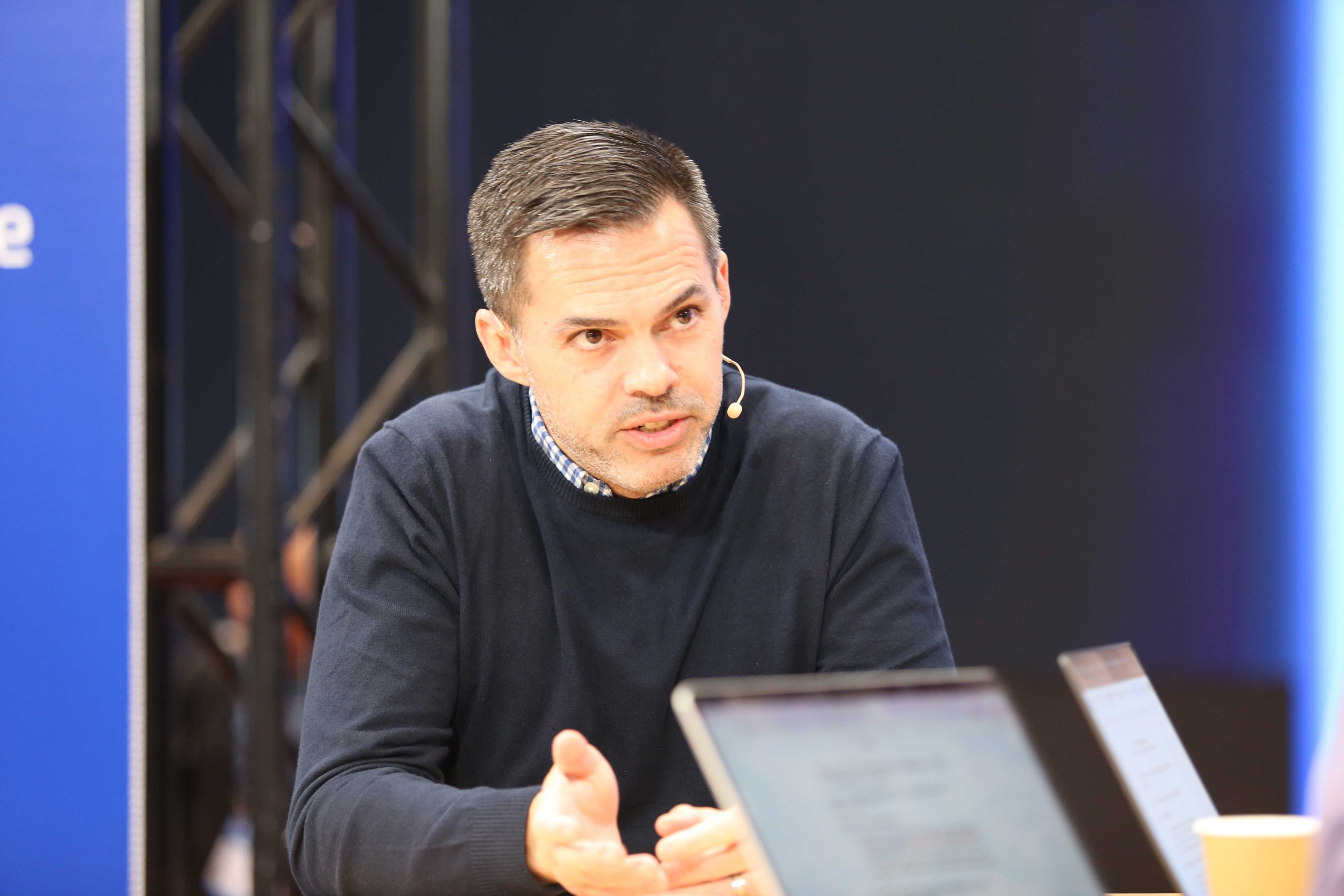
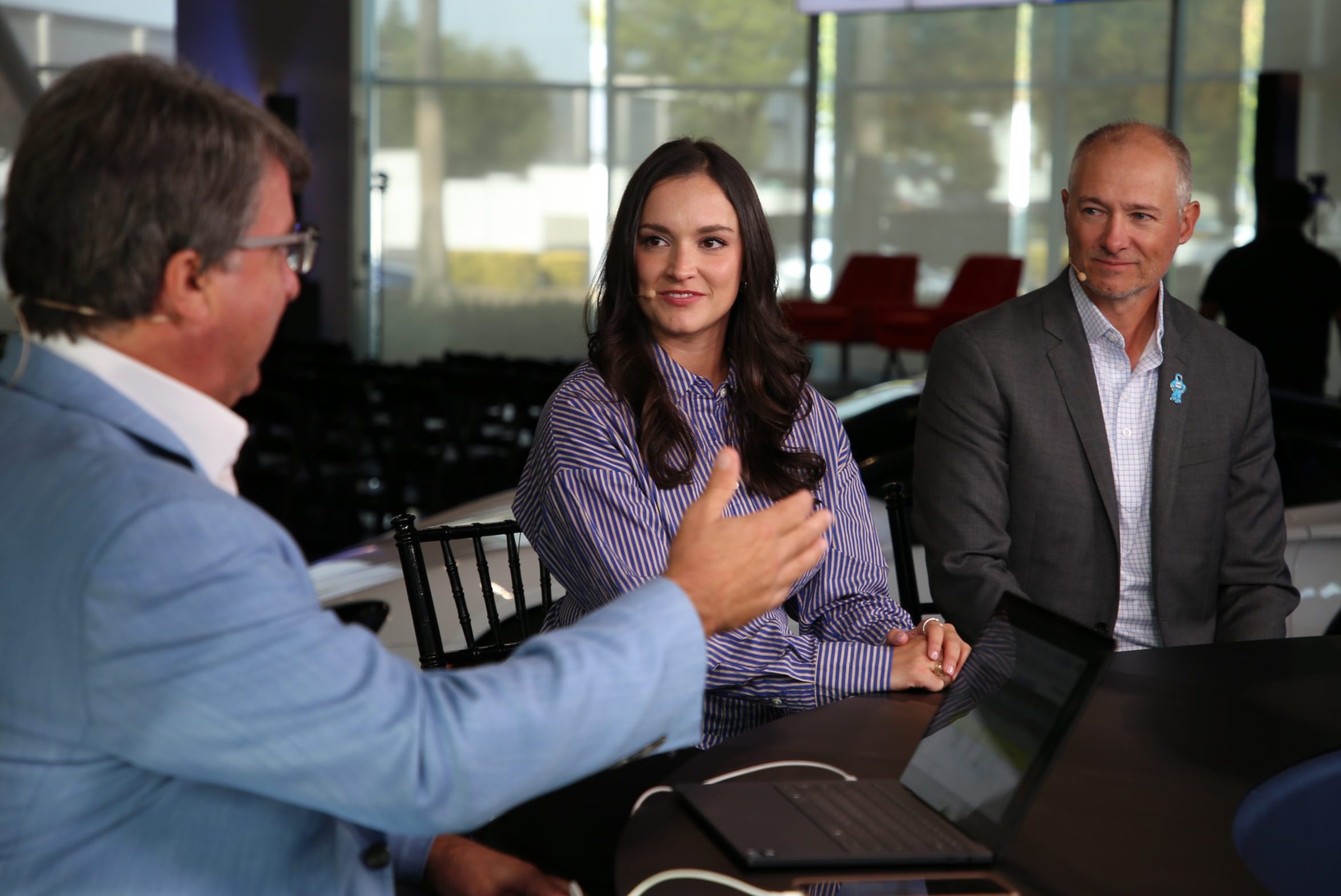
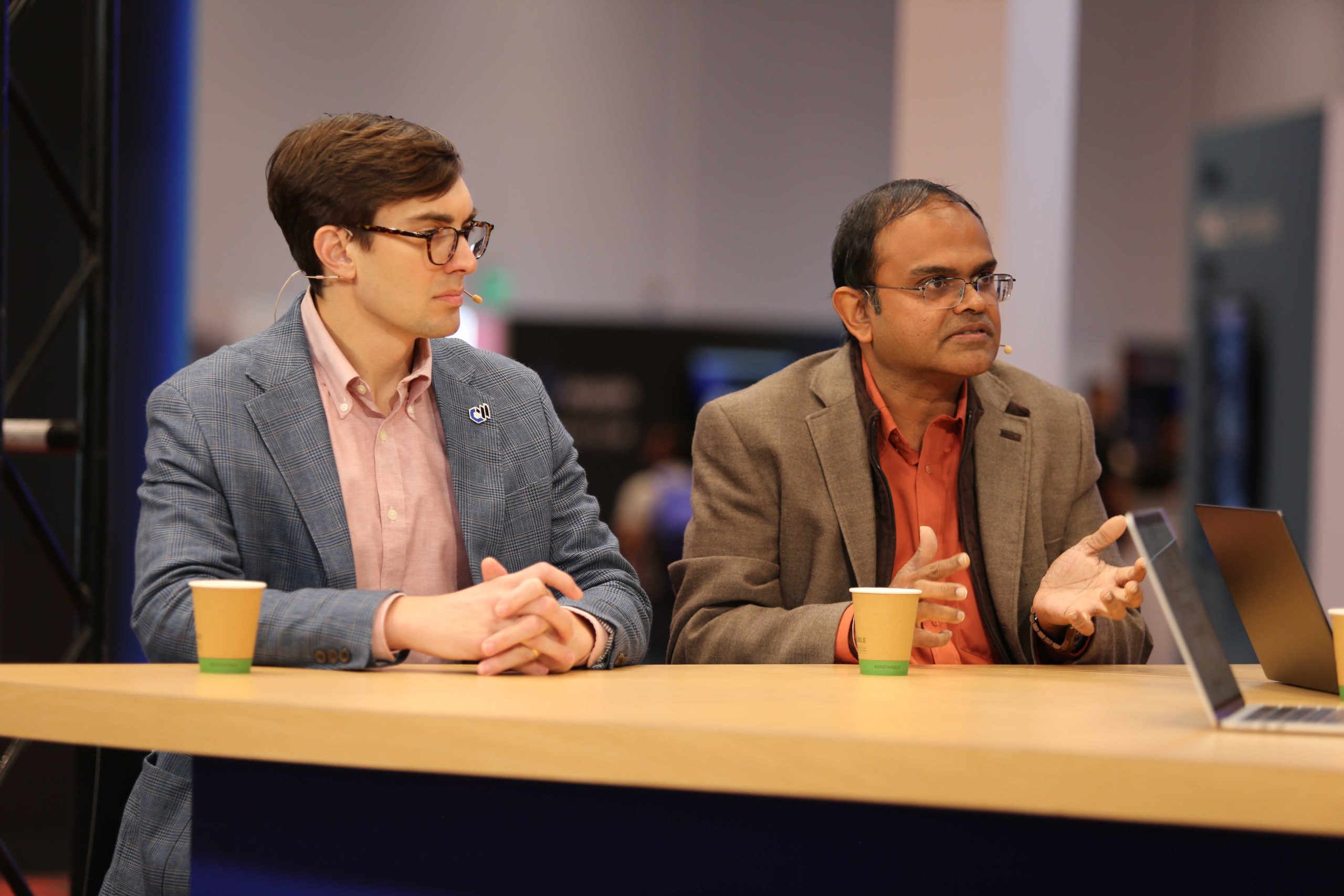
Speaking in an interview with SiliconANGLE's theCUBE broadcast studio at the Fully Connected event, Sarat Krishnan, director of PowerEdge AI architecture and systems development engineering at Dell, and Jacob Yundt, vice president of engineering for compute architecture at CoreWeave, outlined their joint engineering and manufacturing process reported by SiliconANGLE . Krishnan noted that data center facilities present diverse physical constraints, requiring air or fluid cooling delivered from either the top or bottom of a room and accommodating disparate power whip dimensions. In response, Dell has engineered modular rack-scale hardware to adjust across these environmental variations.
The co-engineering cycle begins months or years before commercial production, addressing firmware configurations, mechanical modifications, and deployment criteria prior to assembling initial racks. CoreWeave embeds engineers directly within Dell manufacturing plants, pairing Dell's supply chain and hardware engineering background with operational telemetry from CoreWeave’s high-density production deployments.
A major objective of this arrangement is shifting diagnostic validation earlier into the manufacturing cycle. Dell uses real-world telemetry from CoreWeave to refine diagnostic testing across server and rack assembly lines. As Krishnan noted, catching component defects late in the manufacturing pipeline or after installation in a live data hall creates steep remediation costs. Over the past two years, Dell has shifted its most complex hardware diagnostics to earlier factory stages to intercept hardware failures before shipment.
Liquid cooling introduces distinct operational demands as thermal densities rise. CoreWeave developed Racky, a rack-level management platform that unifies power, cooling, and environmental telemetry into a single interface. Dell integrates Racky directly into its L11 server integration factories so systems are validated under operational control software before leaving the floor. Krishnan added that Dell developed improved leak detection mechanisms inspired by its work with CoreWeave, noting that liquid leaks can cause catastrophic hardware damage.
Looking ahead to high-density platforms such as Nvidia Corp.’s Vera Rubin architecture, Yundt noted that engineering challenges now span compute trays, switches, data processing units, and high-speed fabrics alongside facility power and fluid loops. As physical boundaries scale from individual racks to entire rows and data halls acting as single compute units, Dell and CoreWeave plan to maintain unified systems integration across the hardware stack.
Sources
Written by
The Company Wire
Inside the companies building what’s next. Reporting on startups, technology, funding and the people shaping them.