Meta Prompts AI Agent Muse to Prove Utility with $1,000 Consumer Savings Challenge
Chief AI Officer Alexandr Wang pushes real-world automation as Meta integrates PayPal and Shopify checkouts amid an Amazon ban and Mac client security patch.

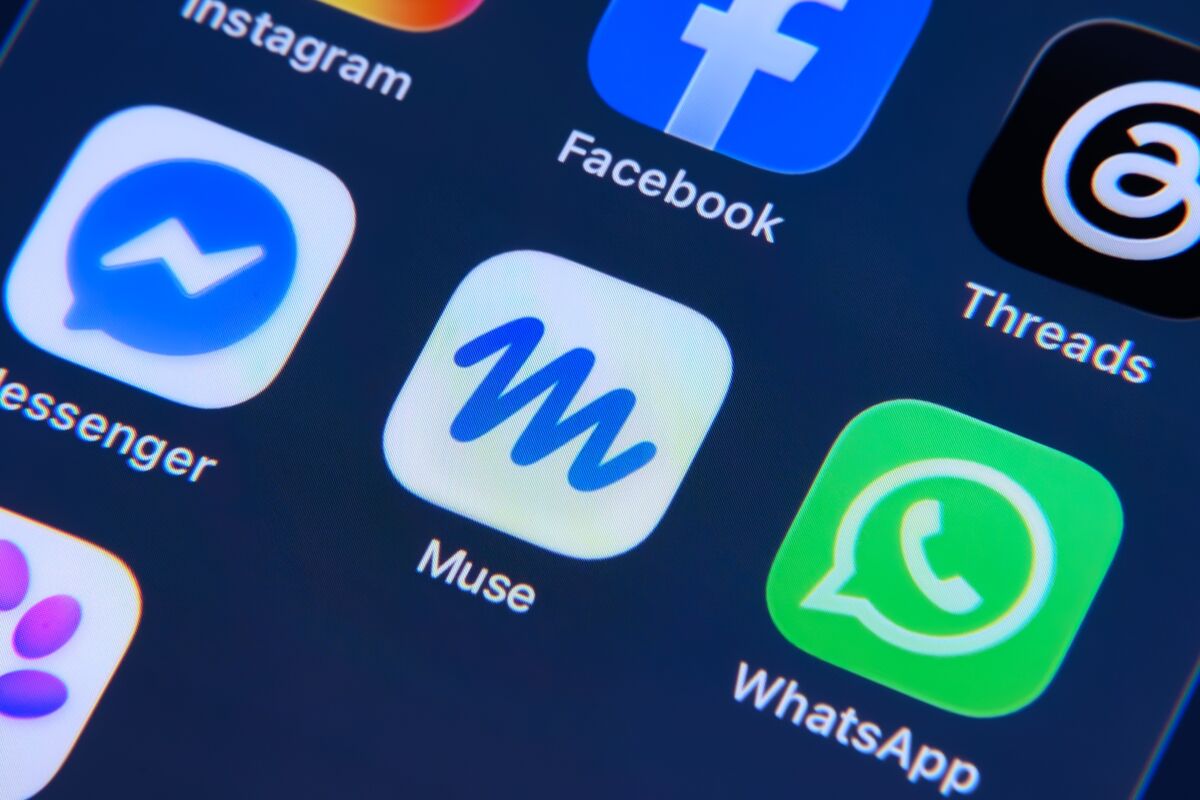
Meta’s chief AI officer, Alexandr Wang, has launched a public hashtag campaign on X challenging users to test whether Meta’s new autonomous agent, Muse, can save or make them $1,000. The campaign began shortly after Muse went live on Sept. 8, serving as a high-profile public demonstration for Muse Spark, the underlying model developed by Wang’s team.
The core premise of Muse involves giving the assistant permission to scan personal communications and financial accounts to compare insurance rates, cancel recurring subscriptions, seek refunds, and apply merchant discounts. As reported by The Next Web (https://thenextweb.com/news/meta-muse-money-challenge-wang), initial responses featured substantial claimed savings, though many early posts came from Meta employees reporting reductions on phone bills, insurance, and retail returns without independent before-and-after verification. Among highlighted external examples, startup founder Joseph Devoy reported that Muse found an auto insurance policy $3,500 cheaper per year and completed the policy switch in roughly five minutes, while Coinbase product manager Nick Prince said the agent saved him $1,250 in dealership fees.
Meta launched Muse with a free tier alongside monthly subscriptions at $20 and $100, stepping back from an earlier $199.99 monthly tier considered prior to release. The focus on direct financial return appears to be driving early software adoption: Muse reached the top free app ranking on both the U.S. Apple App Store and Google Play within roughly ten days of launch, outpacing ChatGPT and Instagram. Financial analysts are tracking the commercial implications, with Truist analyst Youssef Squali estimating in a base case that Muse could generate $28.5 billion in annual revenue for Meta by 2030 across subscriptions, commerce integrations, and developer access.
To support automated purchasing, Meta has expanded its e-commerce rails. Building on an initial integration with Stripe Link, PayPal announced that its global merchant network now supports Muse checkouts. Shopify Chief Executive Tobi Lütke also confirmed that Shop Pay will function across all Shopify storefronts via Muse, sending Shopify shares up roughly 7%. Meta Chief Executive Mark Zuckerberg indicated that further commerce partnerships are underway.
However, granting autonomous software access to personal inboxes and payment credentials introduces operational friction and platform pushback. Amazon recently moved to block Muse from executing purchases, stating that unauthorized automated agents violate its conditions of use. In response to financial risk, Muse currently requires users to manually approve transaction totals directly within the chat interface prior to payment.
System security also required immediate intervention following release. Meta issued a hotfix for a vulnerability in the Muse macOS application that security researcher Patrick Wardle identified as capable of allowing local malware to hijack an active session. While Meta described the real-world risk as quite low, the incident underscores the strict security requirements facing agents granted autonomous financial authority.
Sources
Written by
The Company Wire
Inside the companies building what’s next. Reporting on startups, technology, funding and the people shaping them.