Nvidia Chief Expects Chip Shipments to Double Amid Expanding AI Demand
CEO Jensen Huang projected a doubling of processor sales over the next year despite ongoing supply constraints and multi-year European infrastructure timelines.
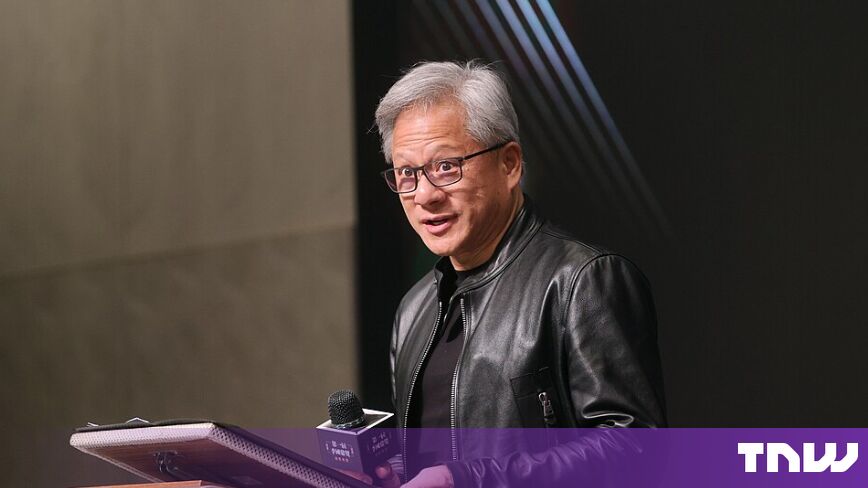
Nvidia Corp. Chief Executive Officer Jensen Huang told reporters at an artificial intelligence summit convened by King Charles III in Scotland that he expects the company to double its semiconductor sales in the coming year. Huang attributed the anticipated surge to the rapid expansion of AI technology across diverse global industries.
The executive's projection represents a significant jump from Nvidia's official forecast issued last month, which anticipated 70 percent revenue growth for the upcoming fiscal year. Chief Financial Officer Colette Kress previously indicated that the enterprise was facing severe supply constraints, noting that total revenue could potentially double if manufacturing capacity were sufficient, as first reported by The Next Web referencing Bloomberg coverage.
The gap between physical chip shipments and overall revenue figures underscores the operational challenge facing the hardware maker. Nvidia posted $96.2 billion in revenue for its fiscal quarter ended July 26—more than twice the amount recorded in the same period last year—and projected $108 billion for the subsequent quarter. Achieving Huang's goal of doubling shipment volumes would necessitate substantial manufacturing capacity that does not currently exist.
The massive demand comes as international bodies move to secure advanced hardware for public and institutional infrastructure. The European Union is currently planning the construction of up to seven dedicated AI gigafactories, sourcing components directly from the open market. The European Commission has budgeted approximately €30 billion for the broader initiative, with roughly €1 billion in public funds committed following a tender launch on July 30.
For scale, Nvidia generates approximately €1 billion in data center revenue every single day. European Commission estimates indicate that each planned gigafactory will require roughly 100,000 chips—four times the capacity of a standard AI processing facility. However, initial site construction is scheduled to begin in 2027, with full operations targeted for 2028, meaning Huang's expected sales surge will occur well before these European installations come online.
Despite the multi-year timeline, competition for hardware allocations among European nations remains intense. The initial call for tenders drew 77 proposals from 16 member states across 60 proposed locations, all competing for supply out of the same global order book that powers private enterprise deployments.
Beyond shipment projections, Huang addressed AI safety and regulatory governance during discussions with an audience of approximately 30 executives, researchers, and policymakers at the Scottish conference. Huang argued that artificial intelligence should not be governed under the same framework as social media platforms, emphasizing that AI serves as an underlying enabling technology rather than a standalone consumer product.
Addressing debate among attendees regarding whether to slow down technological progress, Huang stated that unsafe products should be withheld from release and subjected to additional engineering. Following his comments, Nvidia shares gained up to 2.8 percent in New York trading, extending the stock's year-to-date increase to roughly 17 percent.
Sources
Written by
The Company Wire
Inside the companies building what’s next. Reporting on startups, technology, funding and the people shaping them.


