Printytron Launches AI Engine to Generate Functional 3D Models From Text Prompts
The independent platform converts natural language requests into dimensionally precise STL files for 3D printing without requiring CAD expertise.
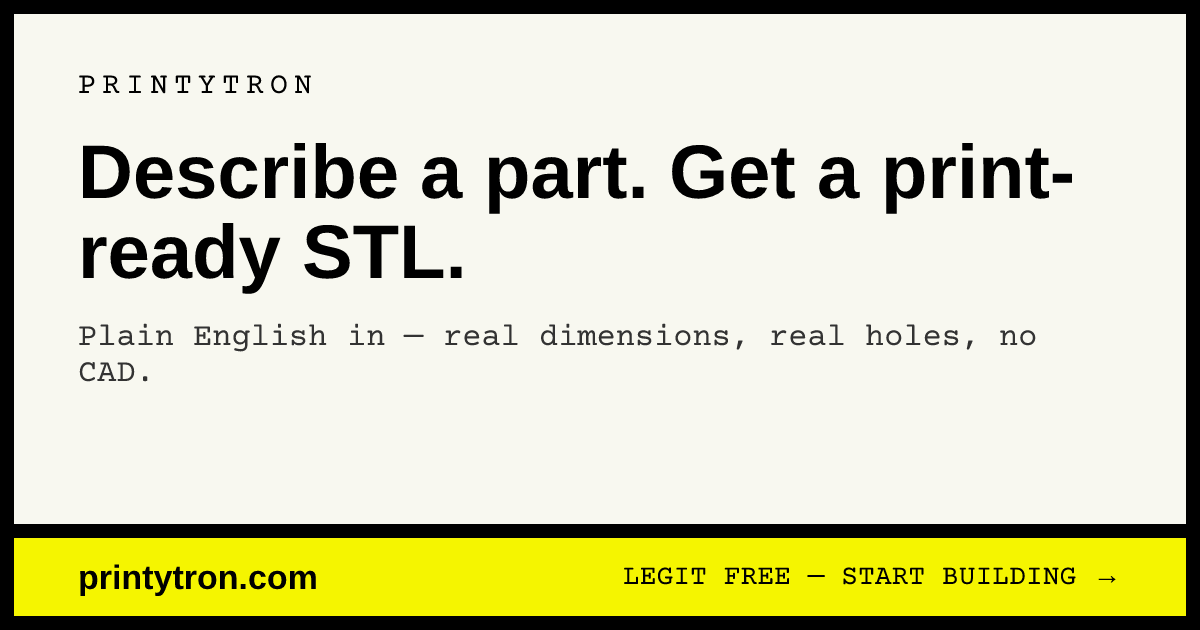
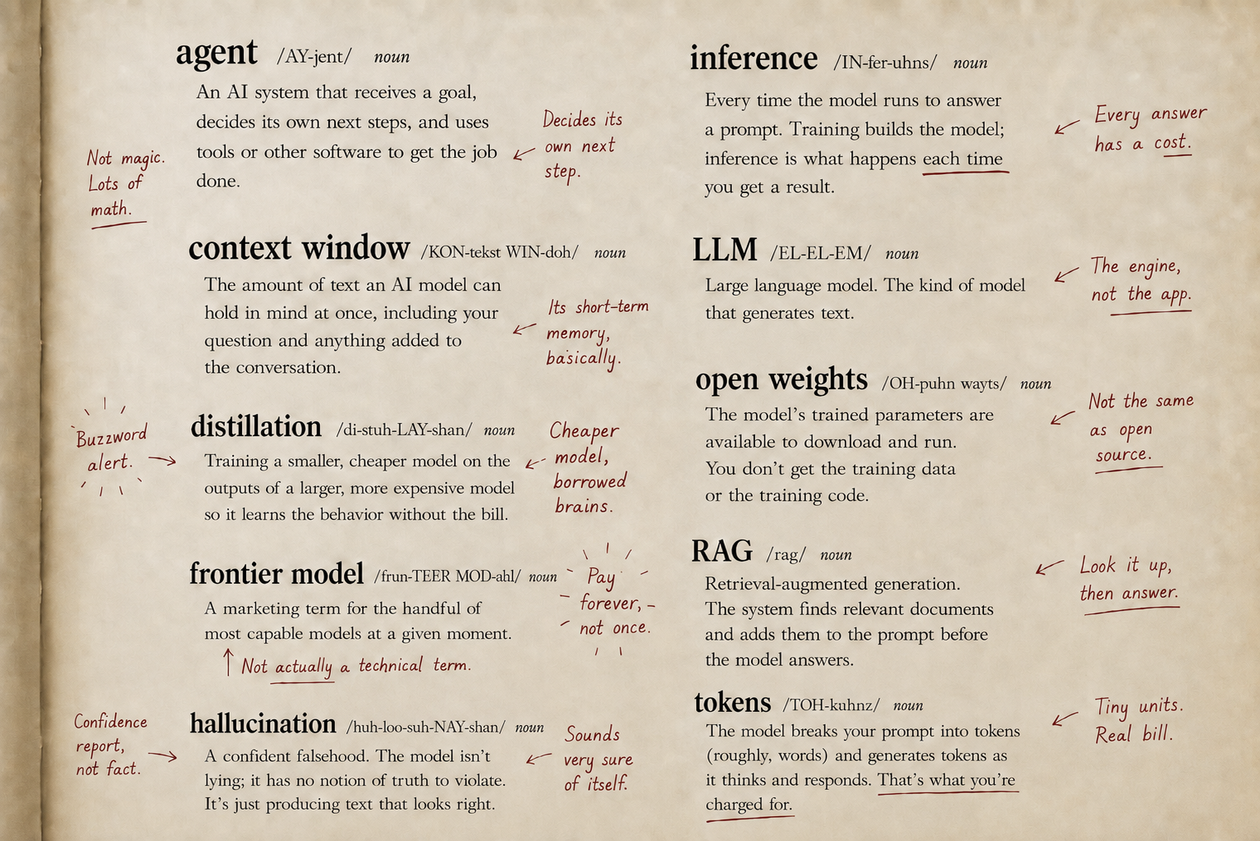
Independent software project Printytron has introduced a web-based text-to-3D modeling engine engineered to create functional, printable physical parts from natural language prompts. The system allows users to bypass complex Computer-Aided Design (CAD) software by converting written specifications directly into dimensionally accurate STL files.
First reported by Hacker News, the platform operates through a three-step creation process featuring continuous conversational iteration. Users input plain English descriptions of target components, and the software generates a 3D model built to real-world measurements. Creators can then interactively refine the design until the components achieve desired fit and structural specifications.
The platform distinguishes its output from conventional artificial intelligence 3D model generators, which typically focus on generating visual digital assets or art for computer screens. Printytron concentrates on mechanical utility, engineering structural components specifically sized and shaped to function on desktop 3D printers.
Demonstrated models constructed via text prompts highlight a variety of practical hardware applications. Examples include an eight-slot computer cable comb designed to flatten cable bundles, a two-station wall-mounting bracket built for Sony PS5 DualSense controllers, a two-part back support for mobility scooters, and a heavy-duty utility enclosure featuring a hinged lid and front access port.
The software also processes exact dimensional parameters for specialized manual tools and measuring utensils. Models generated by the engine include a handheld sanding block designed for standard 140-by-115-millimeter quarter-sheet sandpaper featuring a 13-millimeter grip, as well as a volumetric scoop sized to hold one U.S. cup to the brim with a chamfered strike edge.
To facilitate multi-part edits, recent updates to the platform introduce visual component tagging within the interactive preview builder. Individual elements in multi-part assemblies are assigned unique names and colors, allowing users to click a specific component and give targeted feedback, such as requesting an increase in wall thickness.
The service has also introduced a draft retention interface called My Models, which preserves user progress and offers reversible publishing controls. In one cited example, an initial four-word prompt requesting a cartoon car cookie cutter yielded a complete set of three printable tools following nine exchange messages over a six-minute session.
Printytron is available free of charge for personal use without requiring initial user account registration. Operating as an independent initiative, the project receives feedback and bug reports directly via email.
Sources
Written by
The Company Wire
Inside the companies building what’s next. Reporting on startups, technology, funding and the people shaping them.