Zalando, Zara, and ASOS Turn to AI Virtual Fitting Rooms to Curb Return Costs
Global fashion platforms are implementing artificial intelligence fit tools to improve customer satisfaction and lower operational expenses.
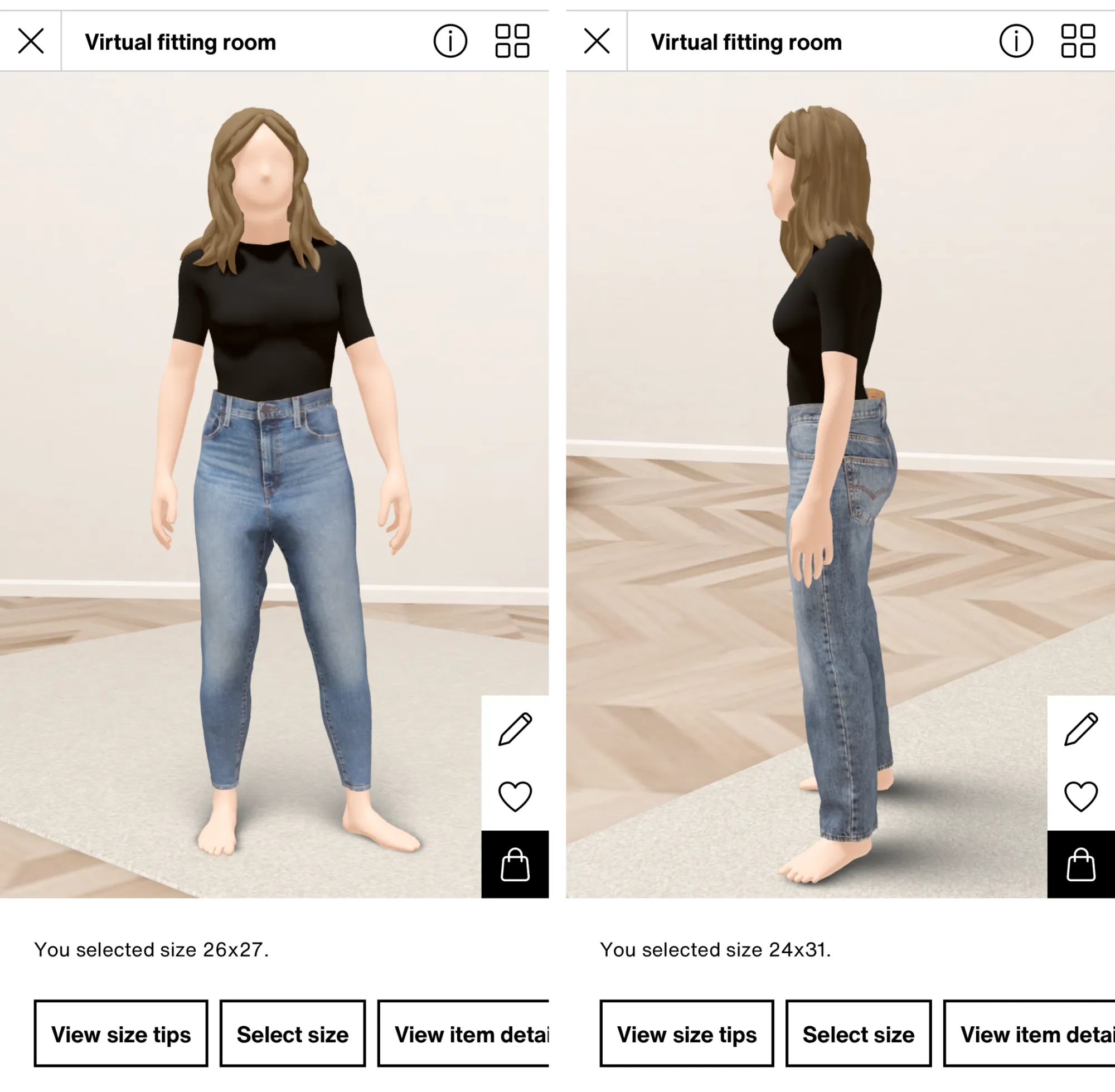
Major apparel e-commerce platforms, including Zalando, Zara, and ASOS, are escalating their investments in artificial intelligence-powered virtual fitting room technologies in an effort to modernize the digital shopping experience and reduce the substantial operational costs associated with customer product returns.
The digital fashion sector's pivot toward interactive visualization software comes as online platforms seek to resolve persistent friction inherent in virtual apparel shopping. As first reported by Bloomberg's Sonja Wind, leading global fashion brands are placing strategic bets on AI tools designed to help consumers make more precise sizing and fit decisions prior to completing an order.
Product returns represent one of the most significant margin drags for large-scale digital platforms such as Zalando, Zara, and ASOS. The logistical expenses required to process returned merchandise, inspect items, and re-integrate inventory into distribution networks severely impair profitability across the broader e-commerce industry.
AI-enabled virtual fitting room applications utilize machine learning algorithms and computer vision models to help shoppers visualize how garments fit across differing body types and measurements. By bridging the gap between digital catalog browsing and physical fitting rooms, retailers aim to decrease buyer uncertainty and prevent fit-based returns.
For European e-commerce operators like Zalando and ASOS, alongside global retail powerhouses like Zara, integrating virtual fit functionality is part of a broader push to embed artificial intelligence into consumer-facing workflows. E-commerce businesses are increasingly relying on machine learning capabilities to elevate buyer engagement and drive higher conversion rates.
As consumer expectations around digital retail continue to shift, AI virtual fitting systems are evolving from experimental offerings into critical infrastructure for major apparel brands. For high-volume retailers, even incremental reductions in return rates achieved through improved sizing preview technology can result in substantial bottom-line savings.
Sources
Written by
The Company Wire
Inside the companies building what’s next. Reporting on startups, technology, funding and the people shaping them.