Noon Launches With $44 Million to Close the Gap Between Design and Code
The startup connects a visual design canvas directly to a product's codebase so teams can work from the same components and constraints.
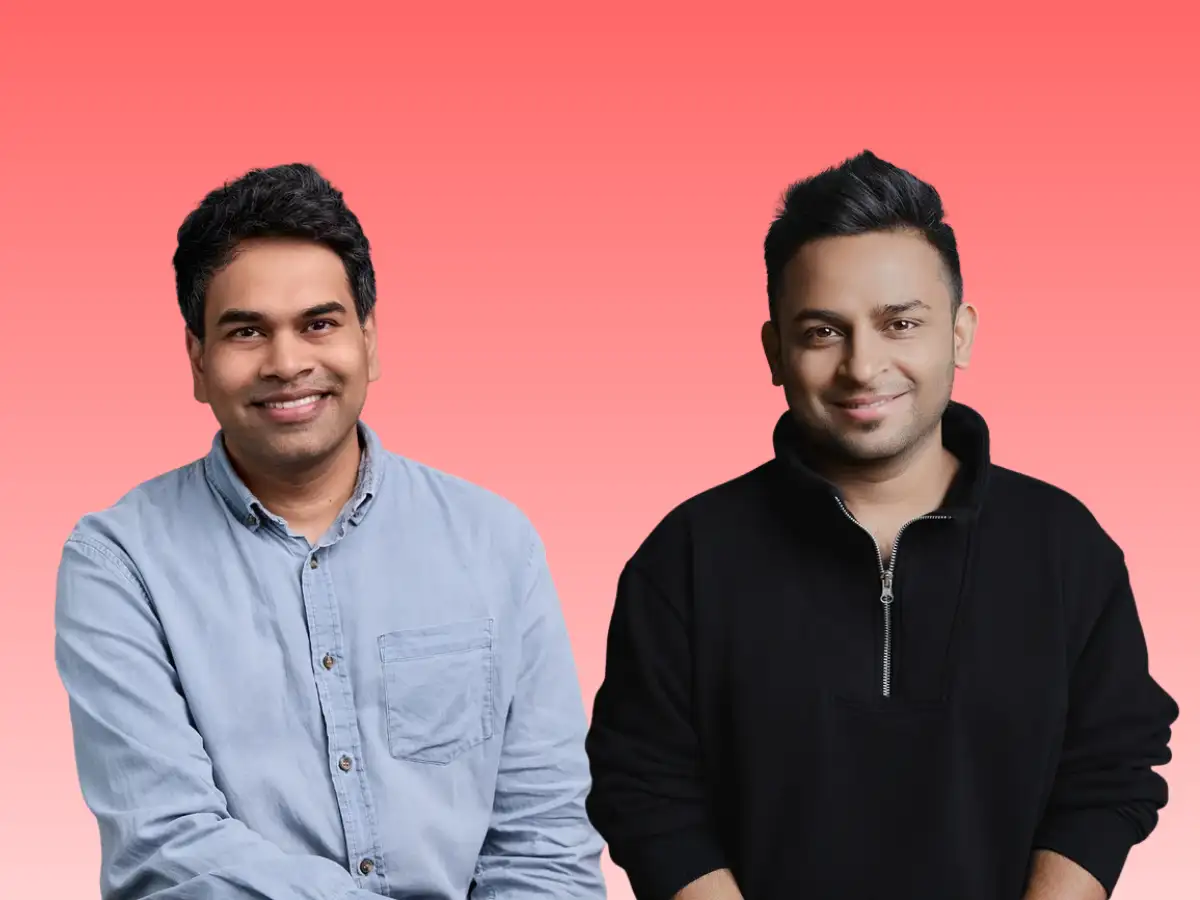
SAN FRANCISCO, Calif. - Noon has emerged from stealth after raising $44 million in disclosed funding from a syndicate of notable venture capital firms, marking a significant entry into the workflow tooling sector. The investment round was led by Chemistry, First Round Capital, Scribble Ventures, Elevation Capital, and Afore Capital, with additional participation from several individual investors. Headquartered in San Francisco, the company was founded in 2024 by Aditya Bandi and Kushagra Sinha with the objective of resolving one of the most persistent bottlenecks in modern software development: the disconnect between visual design environments and the underlying production code.
The startup is building a code-native product design platform that departs from the traditional paradigm of static design mockups. Rather than treating design as a separate layer that must be manually translated into code later, Noon reads a customer's existing codebase and design system directly. It then presents a visual canvas where designers and engineers can work synchronously with the same live components. This architecture ensures that changes remain grounded in the actual product instead of being recreated from a mockup that may not reflect the technical realities of the application.
The launch of Noon comes at a time when the efficiency of product development cycles has become a vital metric for technology companies. Historically, the handoff between design and engineering teams has been a primary source of project delays and quality drift. A screen may look visually complete and aesthetically polished in a design file, yet it often relies on components, states, or backend data architectures that do not exist within the application. This frequent misalignment necessitates multiple rounds of revision and manual adjustment, slowing down the time-to-market for new features.
By connecting the design canvas to the code, Noon aims to help teams identify constraints much earlier in the development process. When designers utilize the same components and constraints that are already defined in the codebase, the risk of proposing impossible or overly complex layouts is mitigated. This approach is intended to reduce the amount of repeated translation required between design and engineering, theoretically allowing teams to move from concept to deployment with fewer frictional points and less work duplication.
The $44 million in funding reflects a growing investor interest in developer tools that unify disparate parts of the product lifecycle. As software complexity grows, the industry has seen a shift toward 'code-native' tools that prioritize single sources of truth. Analysts have noted that while design tools like Figma have dominated the creative phase, a gap remains where those designs must meet the rigorous requirements of a functional production environment. Noon's entry into the market suggests a bet on a future where design tools are no longer isolated silos but are instead extensions of the repository.
However, establishing a direct connection between a design canvas and a production codebase introduces a unique set of technical and operational risks. Customers, particularly those in regulated industries or with large enterprise footprints, will expect the platform to understand expansive and rapidly changing repositories. Accomplishing this without exposing proprietary software or creating security vulnerabilities is a significant engineering challenge. For Noon to succeed at scale, it must demonstrate that its integration layer is both non-obtrusive and highly secure.
Furthermore, the utility of such a tool depends on its ability to produce safe and predictable changes. In a typical development environment, code changes must go through rigorous linting, testing, and peer review. Noon must fit seamlessly into these established version-control practices and workflows. If the platform generates code or suggestions that bypass standard quality assurance protocols, it could introduce technical debt or system instability, negating the efficiency gains it promises to provide.
The interoperability of the platform is another critical factor. The modern product development landscape is characterized by a fragmented ecosystem of frameworks and libraries. For Noon to achieve broad market adoption, it must work across a varied range of frontend frameworks, such as React, Vue, or Svelte, and integrate with different design system architectures. The company will need to ensure that its platform is flexible enough to accommodate the idiosyncratic ways that different engineering organizations structure their components.
Noon plans to utilize its newly acquired capital to accelerate product development, expand its core team, and begin a concerted commercial expansion. The hiring phase will likely focus on engineers capable of navigating the intersection of visual compilers and repository management. As the company moves out of stealth, its primary task will be proving that its tool can handle the edge cases of professional-grade software development where naming conventions, state management, and component logic are rarely standardized.
The competitive landscape for Noon is formidable, featuring established design suites, emerging AI-driven coding assistants, and sophisticated internal component libraries built by larger tech firms. Many companies have attempted to bridge the design-to-code gap in the past with 'no-code' or 'low-code' solutions, but these frequently failed to gain traction with professional engineers who require full control over their code. Noon’s advantage will depend on whether its shared canvas can measurably shorten product cycles while preserving the high standards and flexibility that both designers and engineers require.
Market observers will be watching to see how quickly the platform can iterate on its core synchronization technology. The funding from Chemistry and First Round Capital provides a substantial runway, but the pressure to demonstrate value in a crowded developer tools market is intense. The broader trend of 'shifting left'—where design and testing occur earlier in the development process—is a tailwind for the company, provided they can execute on the complex technical requirements of deep codebase integration.
As the startup matures, the success of its model could influence how future software teams are structured. If the barrier between design and engineering continues to blur through tools like Noon, the roles of 'UI engineer' or 'product designer' may evolve to require a deeper understanding of the underlying system logic. For now, Noon remains focused on the immediate problem of drift, seeking to ensure that what a team sees on their canvas is exactly what they will see in their final, deployed product.
Sources
Written by
The Company Wire
Inside the companies building what’s next. Reporting on startups, technology, funding and the people shaping them.