Treble Technologies Secures $18M Series A-2 to Expand Acoustic Simulation Platform for Physical AI
The Reykjavík startup plans to expand in the U.S. market with cloud software that models how sound moves through physical environments.
Treble Technologies, an Icelandic startup developing sound simulation software for artificial intelligence and hardware design, has raised $18 million (approximately €15 million) in a Series A-2 funding round, as first reported by The Next Web. The capital injection will primarily fund the company's expansion into the United States market.
Washington, D.C.-based venture firm Paladin Capital Group led the investment round, which was announced on Sept. 17. Existing backers including KOMPAS VC, Frumtak Ventures, and the European Innovation Council Fund also participated in the transaction. The new financing raises Treble's total capital raised to date to €36 million.
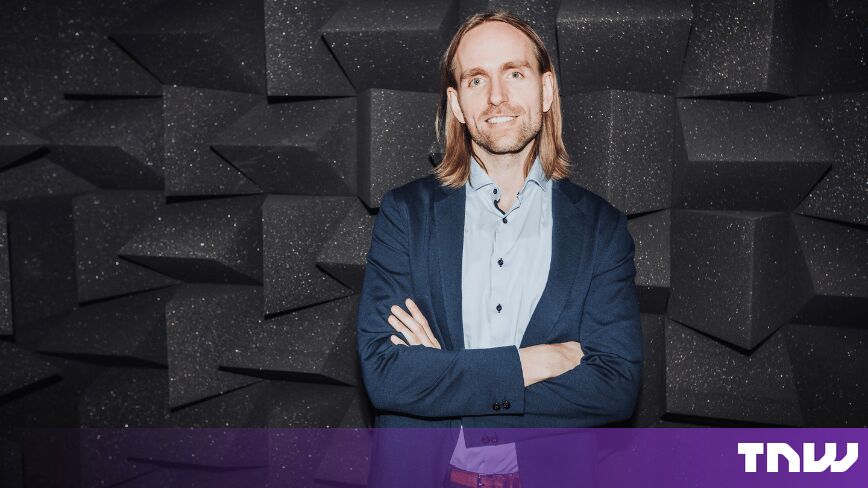
Founded in Reykjavík by acoustic engineers Finnur Pind and Jesper Pedersen, Treble offers cloud-native software designed to model how sound waves propagate through physical environments. The platform integrates synthetic data generation, digital twin technology, and acoustic simulations to produce synthetic audio datasets covering diverse room configurations, building materials, devices, speaker placements, and background noise profiles.
According to the company, generating synthetic acoustic data can reduce product testing cycles and dataset collection timeframes from several months down to a few days. Beyond hardware manufacturers and AI developers, Treble sells its software tools to architectural firms and engineering practices to evaluate acoustic properties before physical construction begins.
Devices and artificial intelligence systems that operate reliably in controlled laboratory settings frequently experience performance degradation when confronted with echo, ambient noise, or unfamiliar structural layouts, according to Pind, who serves as Treble's chief executive officer. He noted that while physical AI research has historically prioritized computer vision and tactile sensing, hearing represents a critical component for devices navigating real-world spaces.
The startup's technology targets hardware such as voice-activated wearables, head-mounted displays, humanoid robotics, and autonomous vehicles. The push into sound modeling comes as major technology companies expand voice-first hardware offerings, including Meta's ongoing development of camera-free smart glasses reliant on voice interactions.
Enterprise clients are already using Treble's simulation tools in production workflows. Wontak Kim, senior audio research manager at Amazon, said the tech giant relies on virtual sound environments across multiple phases of Alexa assistant development to evaluate audio clarity and test scenario edge cases that physical testing cannot easily duplicate. Similarly, Andy Harper, head of audio AI and signal processing at Logitech, stated that the platform's underlying physics models provide high fidelity when simulating complex acoustic environments at scale.
Investors view auditory modeling as a vital missing link in autonomous systems. Paladin Capital Group Vice President François Ruether noted that contemporary robots remain heavily dependent on visual inputs, rendering them unable to respond to unobserved auditory cues such as a person falling in another room or an unseen collision around a corner. Combined visual and acoustic processing, Ruether argued, is essential for building safe, effective physical AI systems around humans.
Treble's funding round arrives amid broader venture capital interest in synthetic data generation and environment simulation for intelligent systems. Other startups raising capital in the field include Patronus AI, which secured $50 million for AI simulation testing, NEURA Robotics, which operates training facilities for physical robots, and voice model developer Fish Audio, which closed a $52 million round in July.
Sources
Written by
The Company Wire
Inside the companies building what’s next. Reporting on startups, technology, funding and the people shaping them.