China Orders Recall of 4 Million EVs Over Hidden Emergency Door Releases
Tesla, Xiaomi, and domestic Chinese automakers face recall orders due to interior emergency releases that blend into cabin trim ahead of strict 2027 hardware rules.
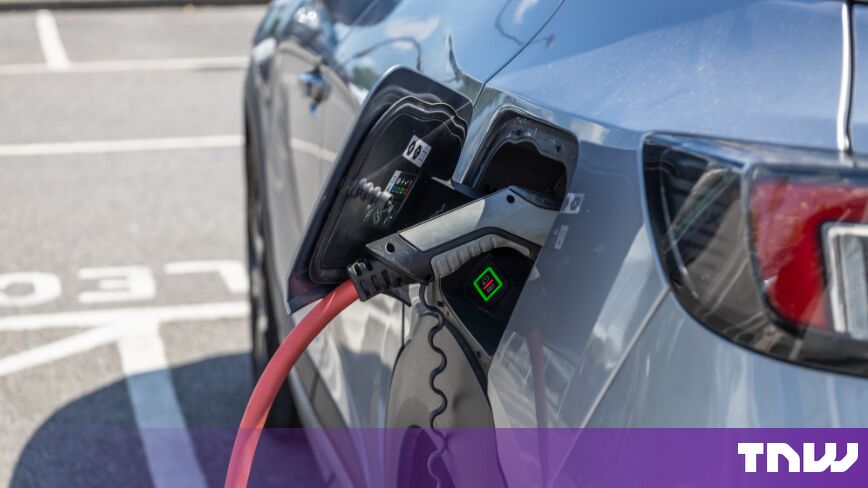
China’s state market regulatory body has issued a widespread safety recall affecting more than 4 million vehicles across the country, citing interior cabin designs where emergency manual door releases blend seamlessly into surrounding interior trim panels, making them difficult for passengers to locate during critical moments. The regulatory action encompasses nearly 2.98 million electric vehicles manufactured or imported by Tesla Inc., alongside hundreds of thousands of automobiles produced by prominent domestic Chinese carmakers such as Xiaomi, Leapmotor, Xpeng, and Zeekr, as first reported by The Next Web.
The regulatory mandate addresses a growing safety concern across modern electric vehicle architectures, where sleek interior aesthetics can obscure essential emergency overrides when primary and secondary electrical systems cut out during an accident. While the mechanical levers themselves remain fully functional, their visual camouflage within the door trim creates dangerous confusion for trapped passengers and outside rescuers attempting to evacuate a vehicle following an impact that disrupts battery power.
Tesla accounts for the vast majority of the vehicles cited in the government recall filing. The campaign covers roughly 2.98 million units across its complete vehicle lineup—including imported and Shanghai-built Model 3, Model Y, Model S, and Model X cars—with official recall operations set to begin on Sept. 25. Domestic Chinese automakers are addressing substantial fleets in the same administrative regulatory notice, spearheaded by tech giant Xiaomi, which is recalling 390,435 units of its SU7 electric sedan.
The recall filing also extends to several other major Chinese automotive companies, including Leapmotor with 371,200 vehicles, Xpeng with 264,842 units, and Geely's premium electric brand Zeekr with 92,658 cars. State-owned and private domestic manufacturers Chery, Dongfeng Motor Corporation, Arcfox, and First Automobile Works (FAW) are similarly listed in the regulatory documents, requiring them to service affected models across their respective production runs.
Because the safety flaw involves visual identification rather than mechanical component failure, the immediate solutions provided by manufacturers focus on physical labelling and digital adjustments rather than structural cabin redesigns. The majority of affected automakers intend to apply clear warning stickers near the emergency release levers. Furthermore, multiple companies plan to issue over-the-air software updates designed to revise automatic door unlocking protocols and drop side windows automatically immediately following a crash.
These measures represent a temporary bridge until comprehensive hardware regulations take effect in China. Starting in 2027, the Chinese government will enforce a national technical standard that largely bans flush, concealed, and retractable door handles. Under the incoming rules, all vehicles sold in the Chinese market must feature mechanical door release mechanisms that remain easily accessible and fully operable even when a crash destroys or disables the vehicle's electrical power systems.
Chinese regulators moved swiftly following a fatal accident in 2025 involving a Xiaomi SU7 sedan that collided with a road barrier and caught fire. Three students inside the vehicle died after bystanders were unable to open the exterior doors because the car's retractable handles remained flush against the body panels post-collision. The high-profile tragedy sparked public outcry across China regarding modern EV handle designs and prompted government regulators to strictly enforce door access rules.
Global markets are addressing door handle safety through varying regulatory frameworks. In Europe, safety rating organization Euro NCAP will update its evaluation protocols in 2026 to penalize vehicles whose electric door handles become non-operational post-impact, while granting extra points to designs with dedicated physical interior buttons instead of touchscreen controls. While Euro NCAP non-compliance damages a vehicle's consumer safety rating, failing to meet Chinese national standards legally blocks an automaker from selling the vehicle in the country.
The United States continues to lag behind both China and Europe in establishing uniform vehicle door safety standards. Investigative reporting from Bloomberg has connected at least 15 fatalities to Tesla door handle failures during emergency situations, yet the National Highway Traffic Safety Administration (NHTSA) has not enacted comprehensive hardware rules regarding flush or electronic handles. Instead, the American regulator continues to manage potential safety risks through individual, case-by-case defect investigations.
Sources
Written by
The Company Wire
Inside the companies building what’s next. Reporting on startups, technology, funding and the people shaping them.