SpaceX Valuation Faces Market Scrutiny as AI Compute Fuels Revenue Expansion
Trading at 44 times forward earnings following its public listing, the aerospace conglomerate balances surging data center sales against capital and regulatory limits.
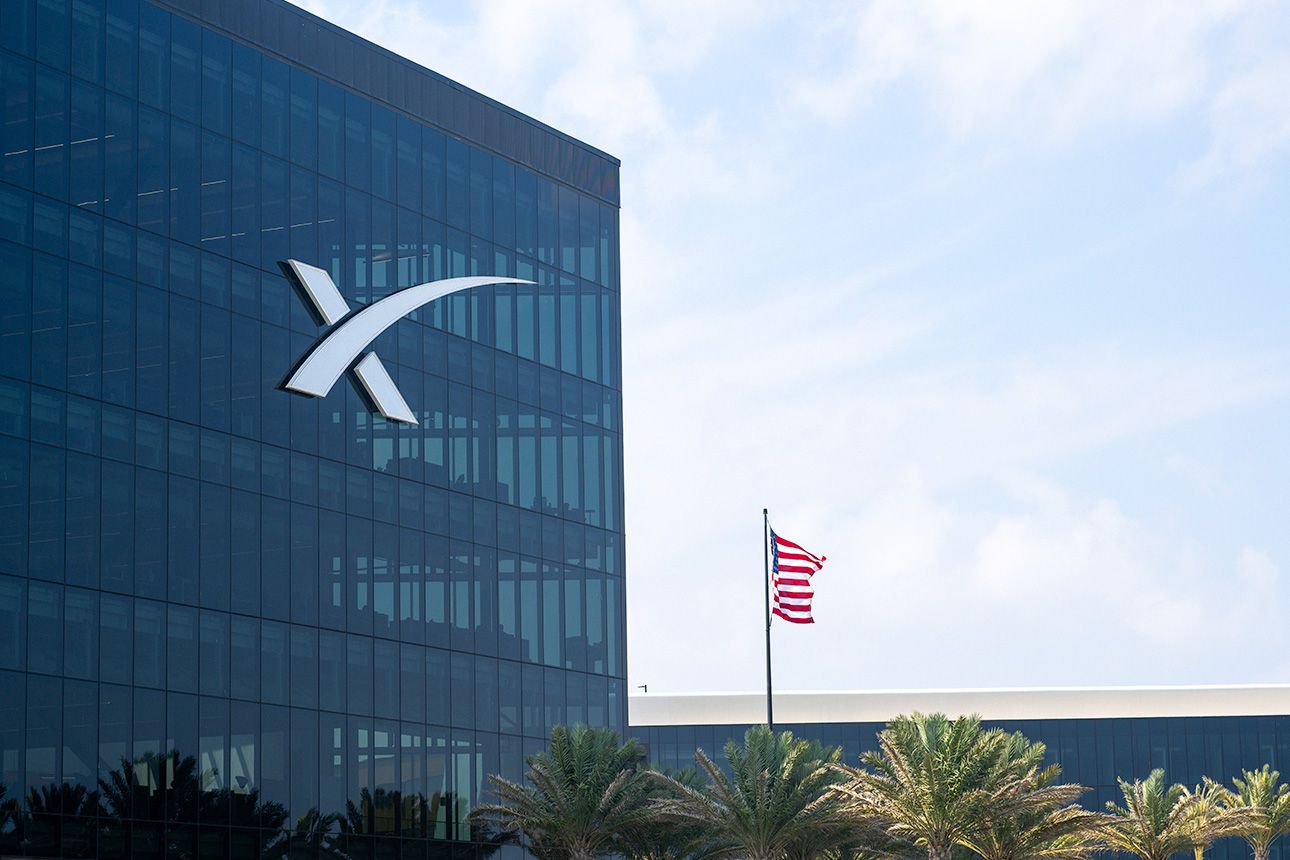
Space Exploration Technologies Corp. is confronting heightened market debate over its valuation multiples following a rapid revenue expansion propelled by its newly integrated artificial intelligence compute operations.
Trading near $127 per share on the Nasdaq under the ticker SPCX, the company holds an equity market capitalization of approximately $1.73 trillion, according to market data and financial analysis published by Yahoo Finance (https://www.fool.com/investing/2026/11/26/spacex-is-a-great-company-is-it-a-great-stock-at-this-price/?.tsrc=rss). That level prices the company at roughly 53 times its trailing 12-month revenue of $32.04 billion and approximately 44.2 times projected forward earnings over the next year.
The valuation assessment follows the company's third-quarter 2026 financial report, which showed a decisive move into net profitability. SpaceX reported $14.6 billion in quarterly revenue, an increase of 161% over the prior-year period. Net income reached $4.4 billion for the quarter, reversing a net loss of $1.1 billion recorded in the third quarter of 2025.
The top-line composition reflects an aggressive pivot toward enterprise compute infrastructure. The company's Super Intelligence division—which operates the Grok model family, the Colossus data center network, and commercial capacity leasing—generated $7.6 billion in revenue, up 830% year over year. The unit has secured major infrastructure leasing agreements, including multi-year capacity sales to outside artificial intelligence developers such as Anthropic and Google.
In contrast, SpaceX's established aerospace and satellite broadband units grew at lower rates. The Connectivity division, driven by the Starlink low-Earth-orbit satellite constellation, generated $5.2 billion in revenue, up 69.5% from the year-ago period. The foundational Space segment, which covers commercial and government Falcon launches alongside Starship development flights, produced $1.8 billion, a 6% increase year over year.
While launch services and satellite broadband benefit from high capital barriers and technical moats, market analysts caution that the AI compute segment carries distinct structural risks. The Super Intelligence unit requires substantial continuing capital expenditures on advanced processors and data center expansion, creating exposure to margin compression should customer utilization rates or pricing soften.
Regulatory requirements also present friction across all three core segments. The Federal Communications Commission recently issued a partial authorization covering backup Ka-band radio links for SpaceX's proposed Starmind orbital data-center satellite constellation, while deferring action on orbital disposal waivers. Launch cadences and spectrum additions remain subject to oversight from civil aviation and communications authorities.
With shares holding near post-listing levels following its $85.7 billion initial public offering in June, market attention is shifting to whether SpaceX can preserve compute profit margins while funding massive infrastructure deployments across its Texas facilities and Starbase production complex.
Sources
Written by
The Company Wire
Inside the companies building what’s next. Reporting on startups, technology, funding and the people shaping them.