TDK Commits $635 Million to Double Magnetic Sensor Output for AI Data Centers and Robots
The Japanese component maker aims to double production of its specialized TMR sensors by 2031 as server power demands and humanoid robotics squeeze existing factory capacity.
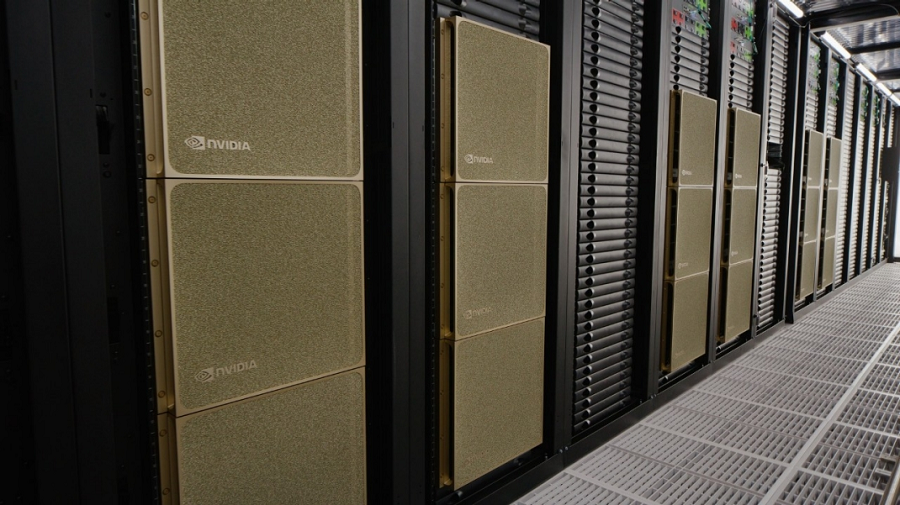
Japanese electronics component maker TDK plans to invest $635 million to double its manufacturing capacity for tunnel magnetoresistance (TMR) sensors by 2031, according to reporting from Bloomberg that was covered by The Next Web . The planned expansion aims to address accelerating hardware demand from artificial intelligence data centers, automotive applications, and humanoid robotics.
TMR sensors detect subtle shifts in magnetic fields with high precision while consuming minimal electrical power. While the components have long been used in consumer electronics such as Apple iPhones to handle optical image stabilization in cameras, TDK is expanding output to serve specialized power and motion needs in industrial and infrastructure hardware.
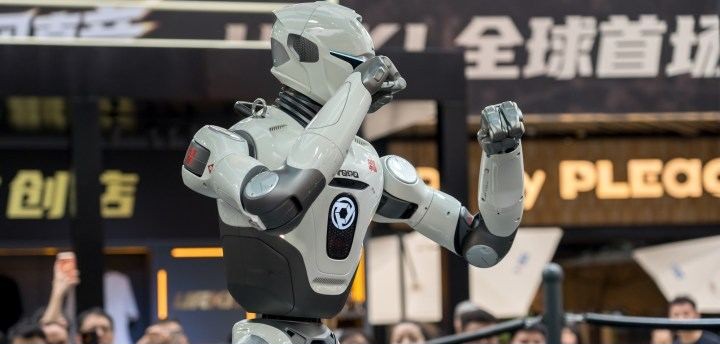
TDK estimates it currently manufactures approximately 80% of the global supply of TMR sensors. In server facilities running AI workloads, the sensors monitor liquid-cooling setups and measure electrical currents to help adjust power distribution as computing loads fluctuate. In robotics, a company spokesperson told Bloomberg that a single humanoid unit requires dozens of TMR sensors. Chinese hardware manufacturers, which build nearly all humanoid robots currently shipped, have already started retooling smartphone assembly facilities to increase production.
Takao Tsutsui, head of TDK's sensor unit, told Bloomberg that incoming demand is already straining existing factory capacity. Tsutsui said the market has passed a tipping point into significant long-term demand, adding that TDK could raise its planned capital spending if growth quickens further.
The planned capital expenditure comes after TDK largely lagged Japanese hardware peers during earlier phases of the AI infrastructure boom. While rival component makers including Murata and Taiyo Yuden saw strong earnings as AI servers absorbed high volumes of capacitors—triggering component shortages in the automotive sector—TDK shares surrendered their earlier gains over the past year.
The expanded manufacturing capacity will be based at a newly planned facility in Japan's Niigata prefecture, which TDK announced in June and expects to open in 2029. The site adds a second manufacturing base alongside TDK's existing facility in Nagano prefecture, answering enterprise customer requests for supply-chain redundancy. As Tsutsui noted, TDK is frequently the sole supplier of TMR sensors for its clients.
TDK faces emerging competition in high-end magnetic sensing. European semiconductor manufacturers are moving deeper into the category, with Germany's Infineon Technologies expanding its magnetic sensor portfolio and Robert Bosch establishing a dedicated corporate division for its sensor and chip businesses.
Sources
Written by
The Company Wire
Inside the companies building what’s next. Reporting on startups, technology, funding and the people shaping them.