Washington State Court Orders Kalshi to Halt Sports and Political Wagers
A King County judge ruled that the prediction market must geofence state residents or face daily penalties of up to $120,000.
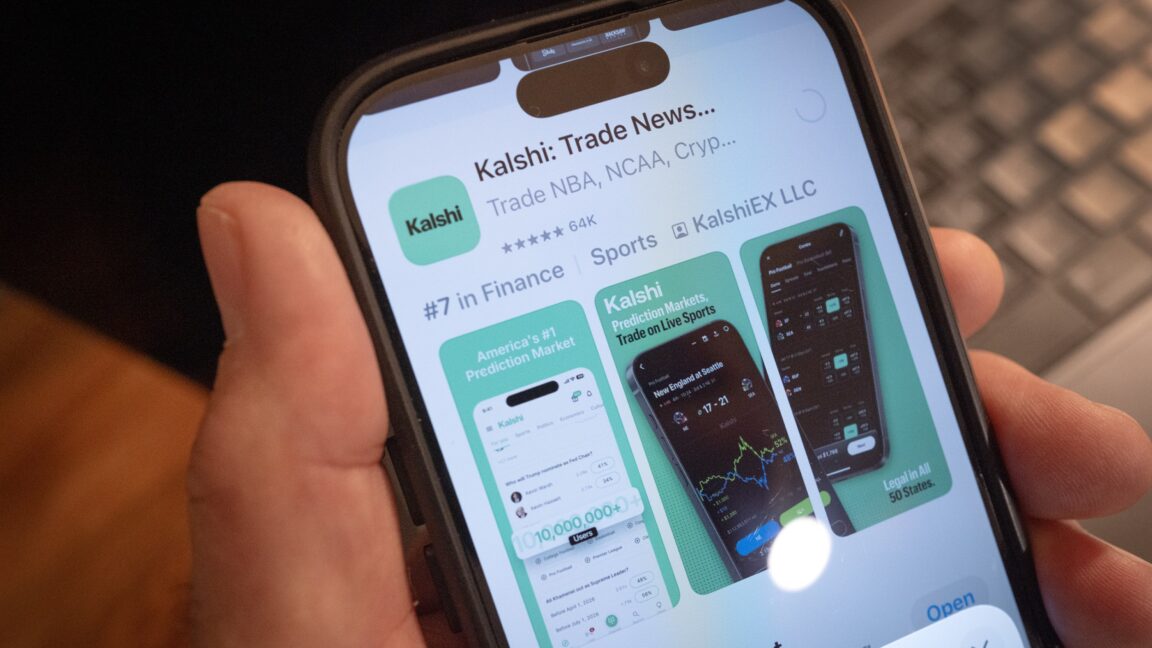
King County Superior Court Judge John McHale has issued a preliminary injunction requiring prediction market platform Kalshi to halt operations across a wide range of event contracts within the state of Washington. The legal mandate follows a lawsuit brought by the state, which alleged that the company operated without required licenses and misrepresented its regulatory status to local consumers. As first reported by Ars Technica, the ruling mandates strict geofencing restrictions to block state residents from placing new bets on sports, politics, and culture.
According to a statement from Washington Attorney General Nick Brown, the court order targets a substantial portion of Kalshi’s trade volume, particularly its growing sports wagering market. Under the terms of the injunction, Kalshi must block wagers tied to athletics, political outcomes, entertainment, science, technology, and mentions of specific terms by public figures. The company must implement an initial IP address and location filter by August 19, followed by a comprehensive, multi-source geofencing framework by September 2.
Failure to complete the technical requirements by the September deadline could subject the platform to financial penalties reaching $120,000 per day. While the injunction restricts new wagering, Judge McHale’s order permits existing Kalshi account holders in Washington to close out their current positions. Additionally, the state government explicitly reserved its right to seek financial recovery on behalf of local consumers for any trading losses or fees accrued on or after September 2, 2026.
The state court determined that Washington is likely to prevail on claims that Kalshi violated state-level gambling and consumer protection statutes. Judge McHale highlighted that Kalshi is neither registered to conduct business in Washington nor licensed by the Washington State Gambling Commission. Furthermore, the court found that promotional materials marketing Kalshi’s service as 'legal betting' inside the state were deceptive and likely to mislead reasonable consumers regarding the legality of its operations.
Kalshi maintains that state gaming regulations do not apply to its marketplace, arguing that federal law grants the Commodity Futures Trading Commission (CFTC) exclusive oversight over designated contract markets. In a statement to Ars Technica, a Kalshi representative stated that the company respectfully disagrees with the court's conclusion and is evaluating its legal alternatives. The company spokesperson also emphasized that Kalshi has never offered contracts on wildfires, armed conflicts, fatalities, or acts of terrorism.
The dispute in Washington is part of a broader nationwide legal clash over the regulatory boundaries of prediction platforms. The federal government under the Trump administration has supported Kalshi's jurisdictional claims, filing legal challenges against state authorities attempting to enforce local gaming laws. Recently, the CFTC invoked emergency powers in New York following a request from Kalshi, directing the company to continue its operations there and stating that Congress never intended for federally regulated derivatives platforms to navigate varying state-level gambling statutes, according to CFTC Chairman Michael Selig.
Addressing the federal preemption argument, Judge McHale concluded that the Commodity Exchange Act does not strip state courts or local enforcement agencies of their regulatory authority over gambling. The judge cited provisions within the federal statute that explicitly preserve state regulatory powers and judicial authority. McHale noted that because federal law lacks express language preempting state statutes, local authorities retain the jurisdiction necessary to enforce state gambling prohibitions against unlicensed platforms.
Sources
Written by
The Company Wire
Inside the companies building what’s next. Reporting on startups, technology, funding and the people shaping them.


