Why Subsidies Fall Short in Rare Earths and How CoCo Bonds Could Backstop Supply
Standard subsidies fail to protect Western refiners against predatory price swings; national security and finance analysts propose contingent debt tied to Chinese export disruptions.
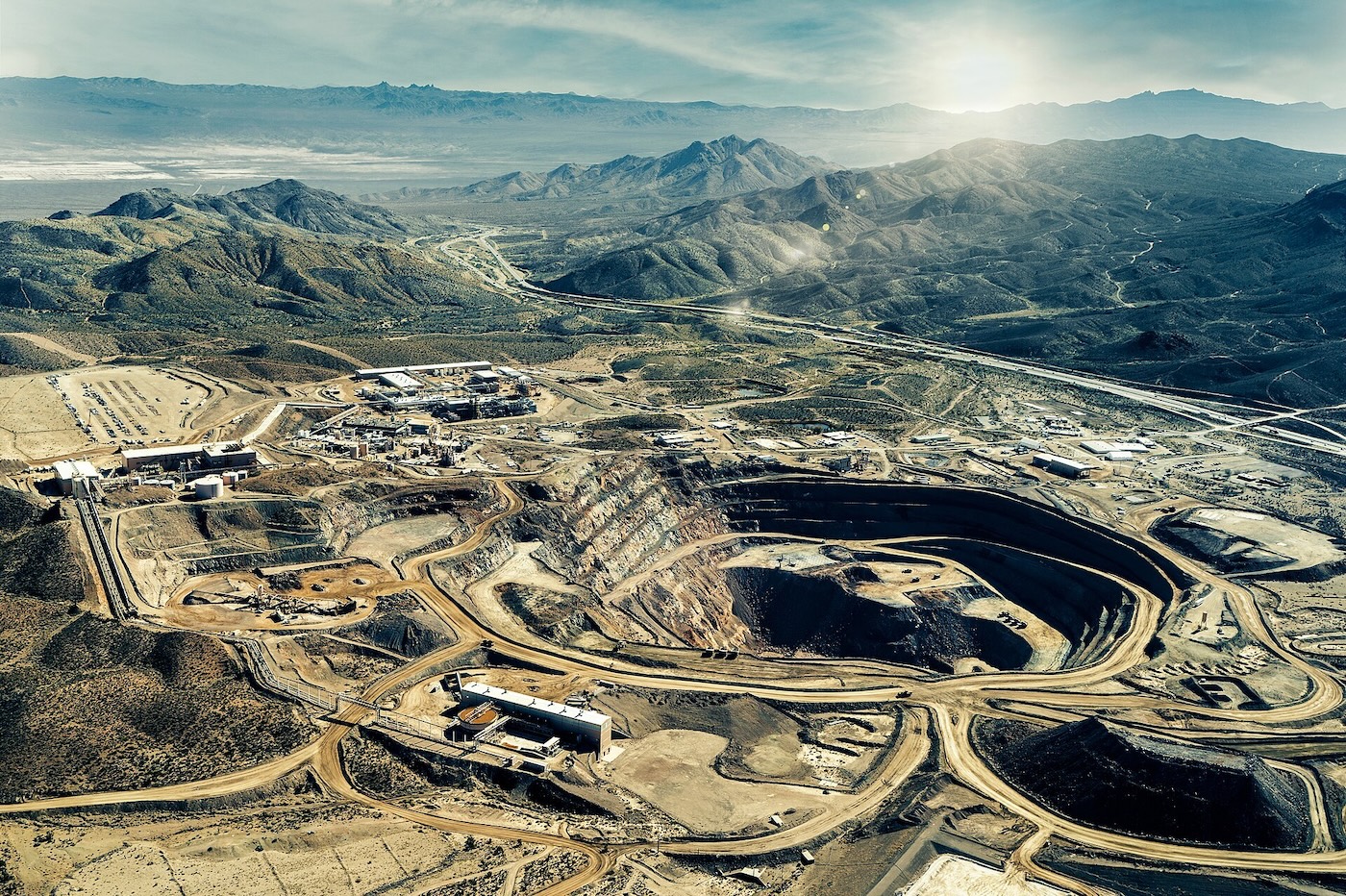
Beijing's grip on critical mineral supply chains continues to complicate Western industrial policy despite temporary trade truces. Following sweeping rare earth export controls introduced in October 2025, Chinese authorities have operated an on-and-off suspension regimen—the latest extending through Nov. 10 alongside a broader trade truce running through Jan. 10, 2027. Yet structural pressure remains tight: in June, even under active truce provisions, Beijing placed primary U.S. processing developers MP Materials and USA Rare Earth on an official export control list.
The leverage is structural rather than purely commercial. China refines over 90 percent of global rare earth elements and roughly 99 percent of heavy rare earths, which are critical inputs for advanced semiconductors and precision-guided munitions. Despite rare earth oxides representing an annual market of less than $10 billion, supply interruptions can imperil trillions of dollars in downstream global output. Treasury Secretary Scott Bessent characterized Beijing's October 2025 controls as pointing a bazooka at the industrial base of the free world.
According to an analysis circulated on Hacker News (https://www.lawfaremedia.org/article/america-didn-t-lose-its-rare-earth-industry.-it-sold-it), the loss of domestic refining was not accidental neglect but the result of rational corporate divestment over decades. In the late 1980s, the U.S. led global output before environmental liabilities—including roughly 600,000 gallons of radioactive and toxic waste spilled into the Mojave Desert from California's Mountain Pass mine—shuttered domestic operations by 2002. Similarly, General Motors sold its Magnequench magnet subsidiary in 1995 to a Chinese-backed group, culminating in the closure of the final domestic magnet plant and the transfer of specialized tooling by 2006.
Because Chinese state producers operate with state backing and can absorb sustained losses to undercut market entrants, purely private capital avoids underwriting redundant Western refining. Rebuilding supply chains requires a decade or more of technical development, leaving private capital exposed if Beijing abruptly opens supply to collapse market prices. Conventional policy tools struggle to bridge this divide: while the One Big Beautiful Bill Act allocated up to $100 billion in loan authority for critical minerals, standard debt does not insure private balance sheets against strategic dumping.
Recent government interventions highlight this friction. In July 2025, the U.S. Department of Defense structured a $400 million package for MP Materials comprising convertible preferred stock, loans, equity warrants, a 10-year price floor, and a 10-year offtake guarantee. While functional, combining emergency geopolitical insurance and conventional lending risks drawing public balance sheets into open-ended loss absorption without an explicit market exit framework.
To address this misalignment, the authors propose structured contingent convertible securities, or CoCo bonds, paired with guaranteed price floors. Under this framework, refiners issue debt that behaves as standard yield-bearing loans during ordinary market conditions. The instrument alters its structure via two distinct triggers: a capacity benchmark requiring the refiner to meet processing output by a fixed date, granting lenders a pro rata share of free cash flow, and an external supply disruption trigger activated if Beijing restricts exports or breaches price corridors. If both triggers activate, lenders gain conversion rights into equity, aligning capital incentives with geopolitical risk mitigation.
Sources
Written by
The Company Wire
Inside the companies building what’s next. Reporting on startups, technology, funding and the people shaping them.


