Suno to Implement Audio Watermarking for AI-Generated Music
AI music platform Suno is introducing audio watermarks and download limits to enhance transparency and combat fraud amidst ongoing legal challenges.
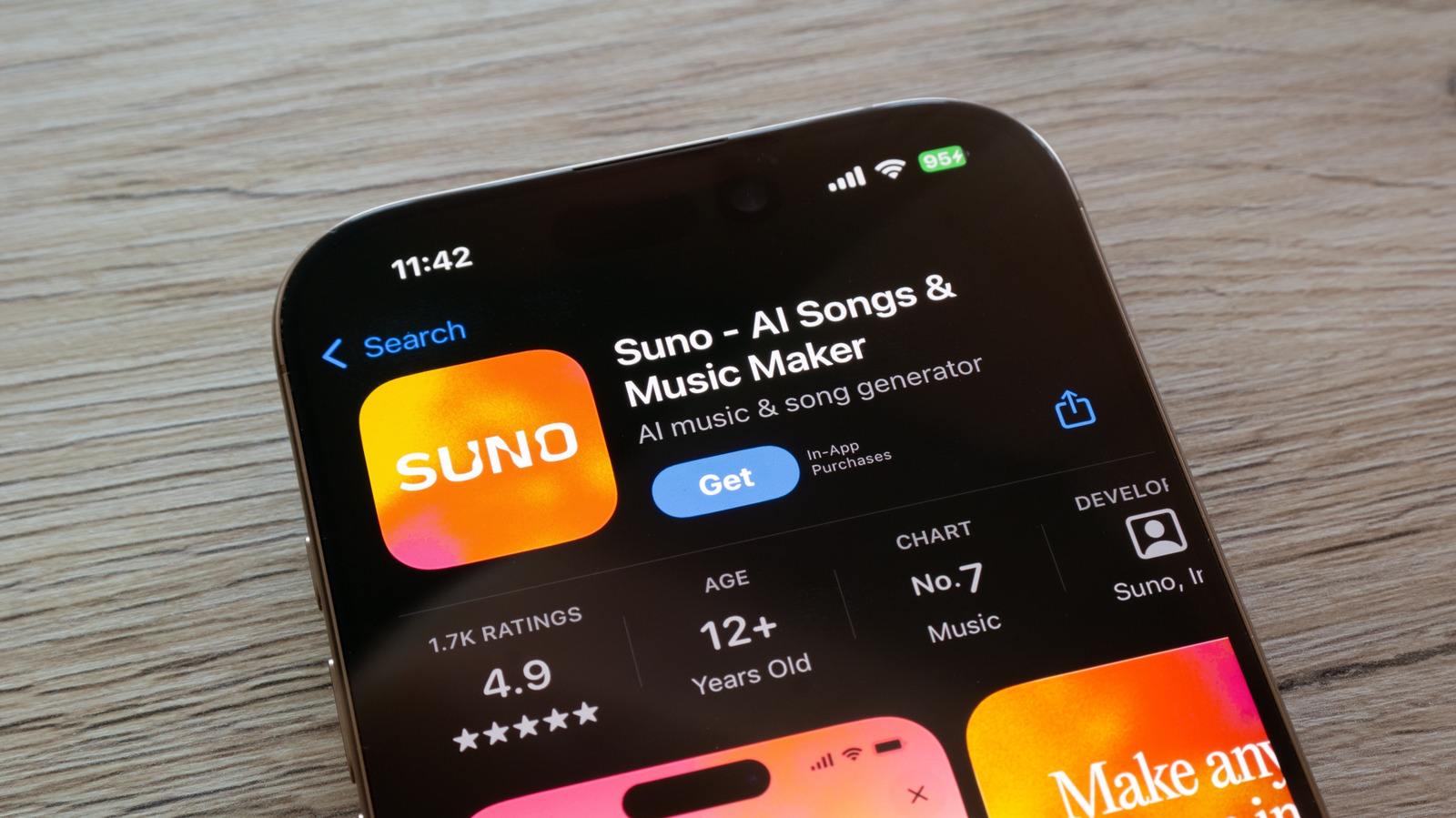
Suno, an artificial intelligence music generator, plans to integrate watermarking technology into songs produced on its platform. This initiative follows various legal disputes and increasing pressure from the music industry regarding AI-generated content.
Mikey Shulman, co-founder and CEO of Suno, outlined in a blog post that the platform will introduce new 'transparency tools,' including a labeling system. This system aims to indicate when a song originates from Suno if it appears on external platforms. While specific details remain limited, Shulman indicated the adoption of 'new audio watermarking and fingerprinting technology' designed to improve the detection of AI fraud.
The proposed technology appears conceptually similar to Google's SynthID, which allows AI-generated content to be traced even after modifications or compression. However, the precise operational mechanics of Suno's solution have not been fully disclosed. Shulman emphasized the company's belief that the responsibility to communicate the use of AI should ultimately rest with artists and the platforms hosting their content.
In addition to the watermarking system, Suno will also implement download restrictions. These limits are intended to prevent the widespread distribution of AI-generated music on streaming services. Further specifics on these restrictions are sparse in the company's statement.
This move comes as a coalition of prominent music labels, including industry giants Sony Music, Universal Music Group, and Warner Music Group, have called for the disqualification of AI-generated tracks, which they term 'AI slop tracks,' from global music charts.
Allegations of copyright infringement have fueled numerous lawsuits against AI music generation companies like Suno and Udio in recent years. These companies have been accused of training their AI models on vast amounts of copyrighted music without proper authorization.
Last November, Suno reached a licensing agreement with Warner Music Group, allowing the use of WMG artists' music and likenesses, thereby resolving a prior legal conflict. Suno maintains that it does not use artist names in its training metadata and prohibits users from incorporating specific artists or copyrighted songs in their prompts.
However, a German court recently ruled in favor of the licensing agency Gema concerning copyright violation accusations against Suno. The Munich-based court determined that Suno had trained its systems using protected music for which it lacked the necessary rights, a decision Suno disputes and may appeal. Suno stated in its blog post that it is collaborating with content recognition and data firms Audible Magic and Musixmatch, alongside other third-party entities, to screen uploaded audio files and lyrics for potential misuse.
Sources
Written by
The Company Wire
Inside the companies building what’s next. Reporting on startups, technology, funding and the people shaping them.