Tesla Prepares Cybercab Launch in Austin as Autonomous Strategy Faces Critical Test
The deployment of Tesla's gold, steering-wheel-free robotaxi marks a pivotal shift from consumer automaker to artificial intelligence enterprise.

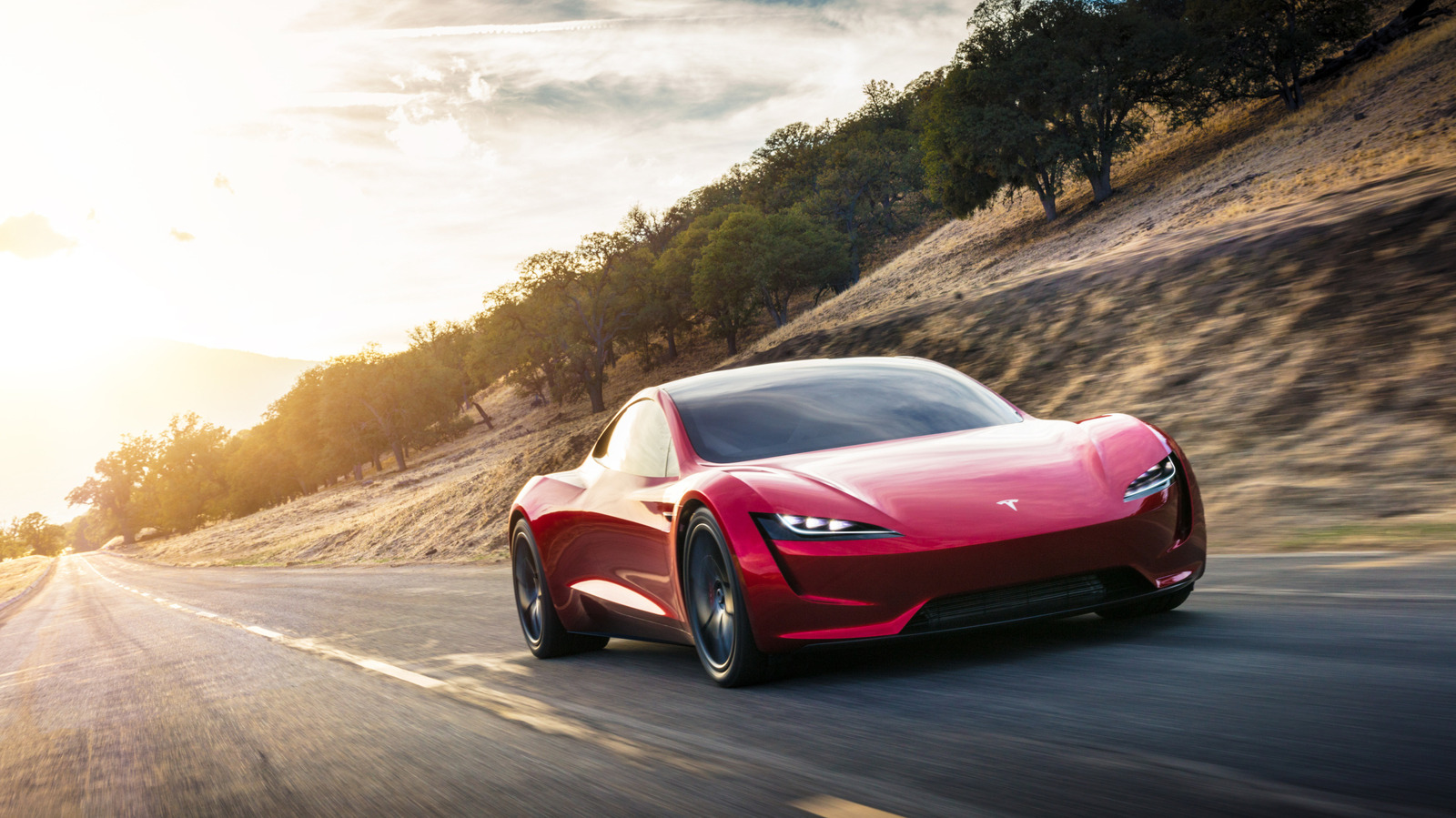
Tesla is preparing to debut its Cybercab in Austin, Texas, marking the official launch of a purpose-built autonomous vehicle designed without traditional controls such as pedals or a steering wheel. The gold, two-passenger sedan relies entirely on onboard cameras and artificial intelligence algorithms to navigate public roadways. Ahead of the event, the company positioned dozens of Cybercab units across Austin alongside several other U.S. metropolitan markets, according to reporting by TechCrunch. Data from Texas state automated vehicle tracking records indicates that 420 autonomous test vehicles were registered within the state at the time of the launch.
The rollout follows increasingly bold public statements from Tesla leadership regarding the vehicle's deployment. Ashok Elluswamy, head of artificial intelligence at Tesla, posted on social media platform X that city streets would be permanently transformed by the technology. Chief Executive Officer Elon Musk echoed the sentiment online, agreeing with user comments that the company was about to flood Austin with autonomous cars and sharing an AI-generated image depicting Cybercabs operating within a regional dust storm. The aggressive tone marks a shift from earlier company communications that emphasized measured safety protocols and cautious testing phases.
Industry observers view the Cybercab launch as a critical turning point that will determine whether Tesla can successfully transition from a volume automobile manufacturer into an integrated robotics and artificial intelligence enterprise. Musk has frequently used the concept of a critical junction to describe major corporate shifts, previously invoking the metaphor during a 2022 internal reorganization at Twitter, an early 2025 directive for federal workers under the Department of Government Efficiency, and through a 30-foot metal sculpture he commissioned for Burning Man in 2022 that was later relocated to a Tesla office.
The Cybercab project represents the culmination of a decade-long effort to achieve full vehicle autonomy, an objective Musk initially claimed in 2016 could be achieved on all production Teslas through software updates alone. That prediction proved inaccurate, forcing the automaker to iterate through multiple hardware configurations and recently acknowledge that millions of existing customer cars will require hardware retrofits to achieve true self-driving capabilities. While the company has steadily updated its primary driver-assistance package, marketed as Full Self-Driving (Supervised), operating responsibility and legal liability remain strictly with the human driver.
To accelerate the creation of a fully automated vehicle network, Musk elected to prioritize a dedicated robotaxi platform over a lower-cost, manually driven electric car. In April 2024, Musk authorized extensive corporate layoffs to redirect focus toward self-driving technology, calling the strategy a "blindingly obvious move" to go "balls to the wall for autonomy" and declaring other vehicle projects to be "variations on a horse carriage." Tesla began testing its initial robotaxi program in Austin in June 2025 using modified Model Y vehicles with safety monitors onboard. While the company later expanded testing to additional locations in Texas and Florida, Tesla reported a few dozen minor crashes with fixed objects and low-speed teleoperation events in Austin, and disclosed in July that paid network miles had declined.
The Cybercab's physical design focuses heavily on manufacturing efficiency, utilizing a compact frame, lighter materials, and a reduced-capacity battery pack to lower production expenditures compared to standard Tesla models. Supporters contend that Tesla's manufacturing cost advantages will allow it to build dozens of Cybercabs for the capital competitor Waymo spends on fewer than 10 of its newer "Ojai" transport vans. Responding to market comparisons, Musk emphasized on social media that simple production estimates understate the expected operational efficiency gains of the Cybercab platform.
Despite enthusiastic projections, significant operational hurdles remain for Tesla's ride-hailing ambitions. As noted by TechCrunch, Tesla continues to operate its test fleets within defined geofenced zones—a restriction Musk once criticized, stating that requiring a geofenced area meant a company did not possess real self-driving technology. Furthermore, while Waymo currently operates roughly 4,000 active robotaxis, Tesla's pilot has relied on subtle Model Y SUVs. Transitioning to visually distinct, metallic gold Cybercabs will significantly raise the public and regulatory visibility of any software errors or operational disruptions on public roads.
Sources
Written by
The Company Wire
Inside the companies building what’s next. Reporting on startups, technology, funding and the people shaping them.