Tesla Teases Driverless Cybercab Operational Details Ahead of Austin Presentation
Social media previews highlight pedal-free two-seaters operating without safety drivers in Texas as investors seek progress on unsupervised robotaxis.

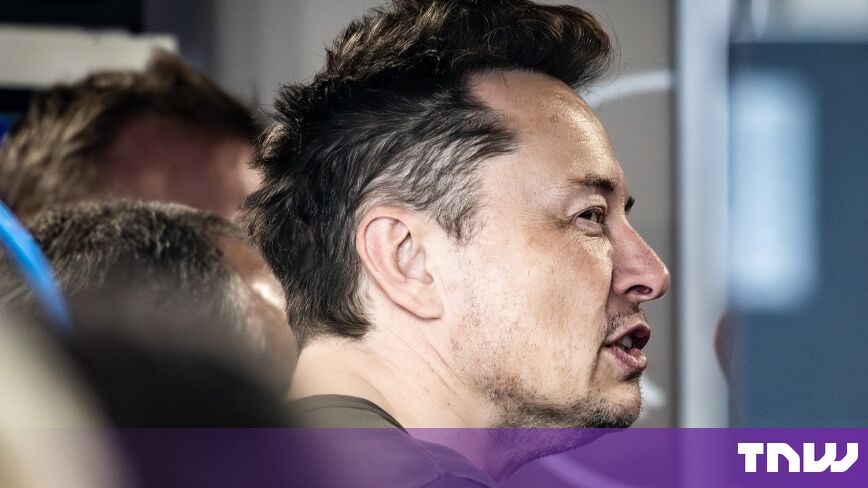
Tesla has rekindled public focus on its autonomous taxi program through social media teasers emphasizing the complete absence of traditional controls in its planned Cybercab vehicle line. Posts on X proclaimed "no steering wheel, no pedals" while inviting riders in Austin, Texas, to test the service, accompanied by a pinned post from Chief Executive Officer Elon Musk reading "A storm of Cybercabs." The online campaign preceded a scheduled corporate presentation in Austin on Thursday expected to provide updated operational details, driving Tesla shares up 5.4% at Wednesday's market close.
The Cybercab, initially presented by the electric vehicle maker nearly two years ago, was designed as a purpose-built two-seater featuring butterfly doors and no physical steering wheel or foot pedals. To prepare for eventual deployment, Tesla spent recent months conducting public-road trials using modified versions of the vehicle equipped with conventional manual controls and human test drivers across several U.S. markets.
Unsupervised prototypes have recently been spotted navigating public thoroughfares in Texas ahead of the formal update. Industry analyst Pierre Ferragu of New Street Research and individual online observers published video clips on X showing Cybercab units operating on Austin streets with no steering wheel installed and no human driver on board, as first reported by CNBC Business.
Bullish investors hope Tesla can rapidly expand robotaxi services to compete directly with Alphabet's Waymo subsidiary, which currently runs commercial driverless hailing across 14 U.S. cities with a fleet of roughly 4,000 vehicles. Musk has promised fully autonomous coast-to-coast driving capability since at least 2016, though consumer vehicles currently sold by the company utilize Full Self-Driving (Supervised), an advanced assistance system that requires continuous driver attention and intervention.
Current independent tracking indicates Tesla's fully driverless presence remains modest. Data from a Tesla Robotaxi tracking project shows the automaker has slightly more than 200 vehicles registered for "unsupervised" operation inside geofenced zones in cities including Austin, Dallas, Houston, Miami, Orlando, and Tampa. Tesla also runs an employee-staffed FSD (Supervised) Rideshare service in the San Francisco Bay Area using Model Y vehicles driven by workers testing unreleased software builds, accessible to passengers through a Robotaxi-branded mobile app.
State filings show incremental regulatory progress for Tesla's dedicated robotaxi hardware in its home state. Filings retrieved from the Texas Department of Motor Vehicles as of Wednesday evening indicated that Tesla had secured authorization for 45 Cybercab units for driverless operation out of a total registry of 420 autonomous vehicles licensed by the state for the company.
Financial analysts emphasize that demonstrating real-world driverless deployments will be critical for equity performance. Analysts at Morgan Stanley noted that a meaningful expansion of unsupervised operations across Cybercab or Model Y fleets could help Tesla shares regain momentum following a 21% decline year-to-date through Wednesday. The firm maintained a $400 price target and hold-equivalent rating, warning that an underwhelming update could lead to a flat or negative market reaction.
Simultaneously, federal regulators continue to inspect Tesla's automated vehicle systems. The National Highway Traffic Safety Administration maintains two active probes into potential safety defects involving the company's partially automated software, while safety advocates have criticized Tesla for requesting more extensive redactions on federal crash reports than competing autonomous vehicle operators.
Sources
Written by
The Company Wire
Inside the companies building what’s next. Reporting on startups, technology, funding and the people shaping them.