NEC Halts Quantum Hardware Research After Nearly Three Decades
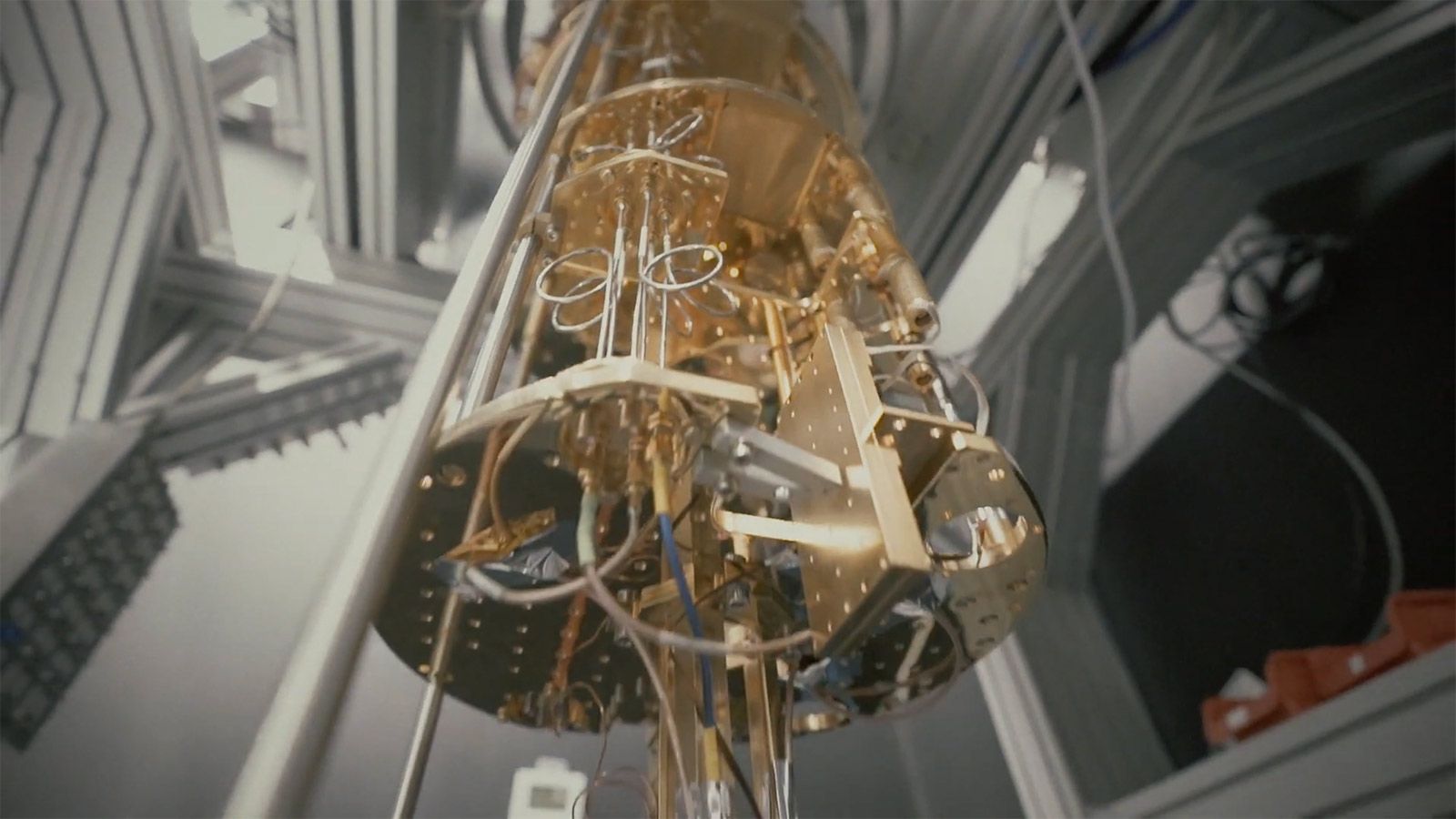
NEC has ended its physical quantum computer hardware development after nearly 30 years, pivoting toward software applications while engineers transfer to rival Fujitsu.
Archive
NEC has ended its physical quantum computer hardware development after nearly 30 years, pivoting toward software applications while engineers transfer to rival Fujitsu.
Alongside the rollout of its iPhone 18 and foldable iPhone Duo, Apple has increased the base prices of several older iPhone models by $100, citing rising memory and component expenses.
Researchers at RMIT University have created a working prototype chip that combines light sensing, memory, and data processing on a single architecture, laying potential groundwork for smart bionic eyes and low-energy artificial intelligence systems.
Researchers at the University of Hong Kong and Hewlett Packard Labs have developed a memristor chip that overcomes long-standing capacity limits in brain-inspired associative memory, offering up to 8.8 times higher energy efficiency.
A research team led by Professors Sangyoon Han and Jaesok Yu at DGIST has created a microscopic optical ultrasound receiver integrated on a single silicon chip, enabling non-contact inspection of semiconductors and battery cells.
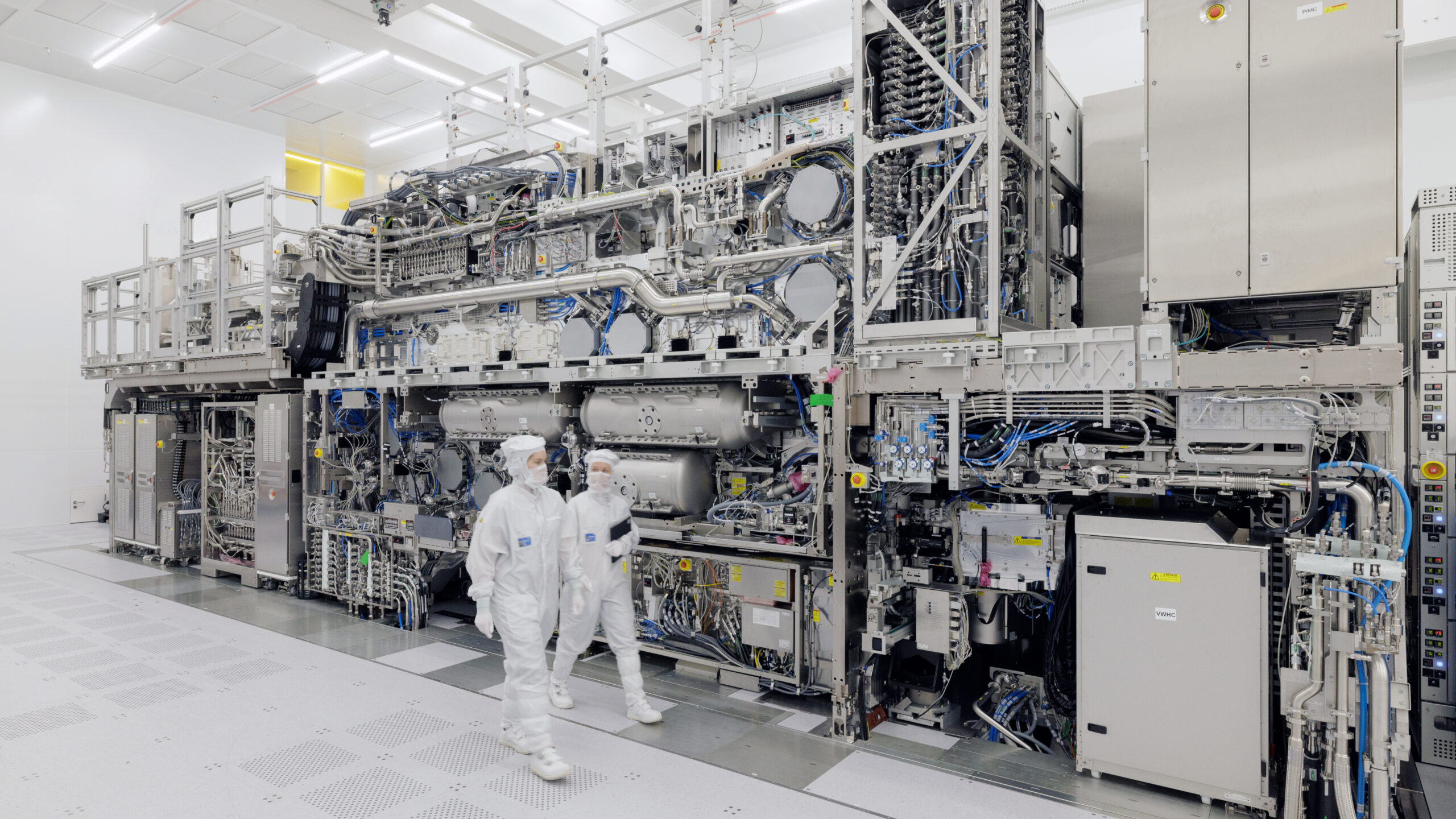
Samsung Electronics and TSMC have committed to adopting ASML's $400 million high NA EUV lithography machines while joining Intel in an industry-wide transition to 12-inch photomasks.
Qualcomm has issued Amazon warrants worth approximately $4 billion alongside a multi-generational custom silicon agreement for AWS, with vesting tied to milestone achievements and server hardware purchases.
Researchers from MIT and NY Creates have created a scalable manufacturing process to produce flexible and transparent silicon-photonics chips on standard 300-millimeter semiconductor wafers.
Outgoing Apple chief executive Tim Cook issued a final memo to employees on Monday, reflecting on his long tenure at the company and passing leadership to incoming CEO John Ternus.
Tesla and SpaceX are set to invest significantly in a new chip manufacturing facility in Texas, aiming to address future computing demands.
AI data-center customers are securing long-term supply, leaving consumer-device makers with higher component costs into 2028.