E-Scooter Riders Face Elevated Brain Injury Risk Compared to Motorcyclists
A new study indicates that e-scooter users are more prone to severe brain injuries in accidents than motorcyclists, prompting legislative efforts to enhance safety.
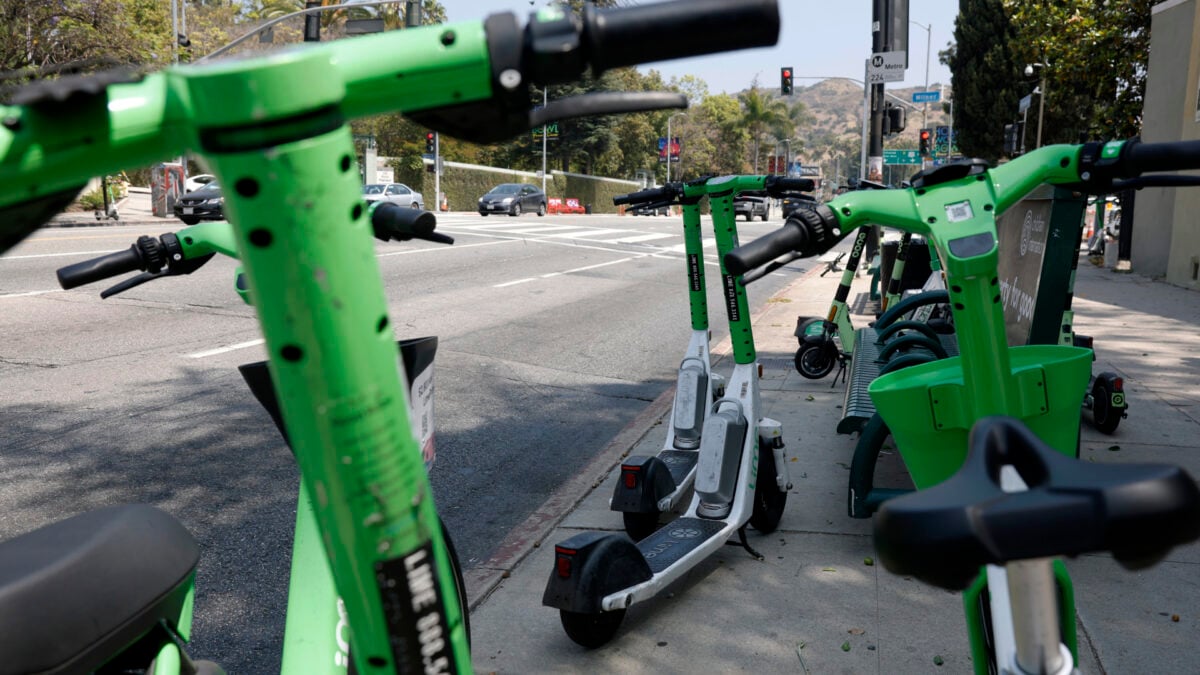
A study published in Nature's Scientific Reports on Thursday revealed that electric scooters are associated with a greater likelihood of severe brain injury in collisions than motorcycles. Researchers from Chelsea and Westminster Hospital in London, United Kingdom, analyzed 38,440 data records from England and Wales between 2020 and 2024. Their findings indicated that e-scooter riders exhibited higher relative risks for traumatic brain injury, internal organ damage, and vascular trauma compared to motorcyclists.
The study also highlighted a disproportionate impact on younger populations, with 16.2% of e-scooter injuries occurring in riders under 18, in contrast to 6.2% for motorcycle injuries and 8.9% for non-electric bicycles. These underage e-scooter users were also responsible for a significant portion of craniofacial injuries. Additionally, women faced a higher overall risk of injury and severe trauma than male riders, a trend the researchers partially attributed to e-scooter design.
The design of most e-scooters, according to the study, caters to male anthropometry, with handlebar heights and center of gravity placements demanding greater upper body strength. This design aspect, combined with other experiential and behavioral disadvantages, contributes to the heightened risk for women. However, the authors posited that the elevated risk rates are not solely due to e-scooter design but also stem from factors such as helmet use, urban infrastructure, and rider behavior.
Data showed that only 5.9% of e-scooter riders were documented wearing helmets, whereas 75.7% of motorcyclists and 45% of traditional cyclists utilized helmets. The lack of helmet usage, combined with the vehicle's design, likely exacerbated injury severity. The research noted that a standing posture positions the rider's center of mass high and forward, leading to a headfirst pitch over the handlebars during abrupt deceleration. Furthermore, the small wheels offer limited grip on wet or uneven surfaces.
The situation is particularly precarious for children, whose abdominal walls are thinner and align with handlebar height, resulting in most abdominal trauma from direct handlebar impact during crashes. Accident frequency was lower in affluent suburbs compared to inner-city districts; however, when crashes did occur in suburbs, they were more likely to lead to severe trauma due to wider roads, higher vehicle speeds, and fewer dedicated cycling lanes.
This study emerges as lawmakers in the United States express concerns over the increasing number of accidents involving e-scooters and e-bikes. In New York City, where these devices are prevalent, legislators recently proposed a series of bills for consideration in a September 30 hearing. Police data cited by The New York Times indicated over 1,350 accidents involving e-bikes or e-scooters in New York City during the third week of July alone.
New York City Council Speaker Julie Menin emphasized the importance of safe and free movement for all New Yorkers, noting the serious injuries and fatalities from crashes involving illegal, high-speed e-bikes, e-motos, and e-scooters. The City Council plans a comprehensive review involving pedestrians, cyclists, delivery personnel, transportation experts, advocates, and enforcement agencies to explore all options for enhancing street safety.
Proposed legislation includes banning the sale of some currently legal fast e-bikes, establishing a task force to research safer street designs and infrastructure, and strengthening oversight of delivery platforms and third-party apps, whose riders often rely on e-bikes and e-scooters and are incentivized for rapid deliveries. New York City Council Majority Leader Shaun Abreu underscored the right of every New Yorker to cross streets without fear, every rider to trust their device's safety, and every delivery worker to earn a living without dangerous pressure.
Additional measures seek to address unregistered vehicles and high-speed devices, which were implicated in a fatal crash last week in Lower Manhattan involving a 17-year-old. These high-speed vehicles are already illegal in New York but can be purchased online. New York Mayor Zohran Mamdani issued a cease-and-desist order to online sellers shipping these devices to New York City. The study's authors advocate for legislation focused on mandatory helmet use, stricter speed limits, and infrastructure improvements like protected lanes.
Sources
Written by
The Company Wire
Inside the companies building what’s next. Reporting on startups, technology, funding and the people shaping them.