FCC Alters Local TV Ownership Rules, Citing Deregulation Needs
The Federal Communications Commission has revised its regulations concerning local television station ownership, moving to a case-by-case approval process.
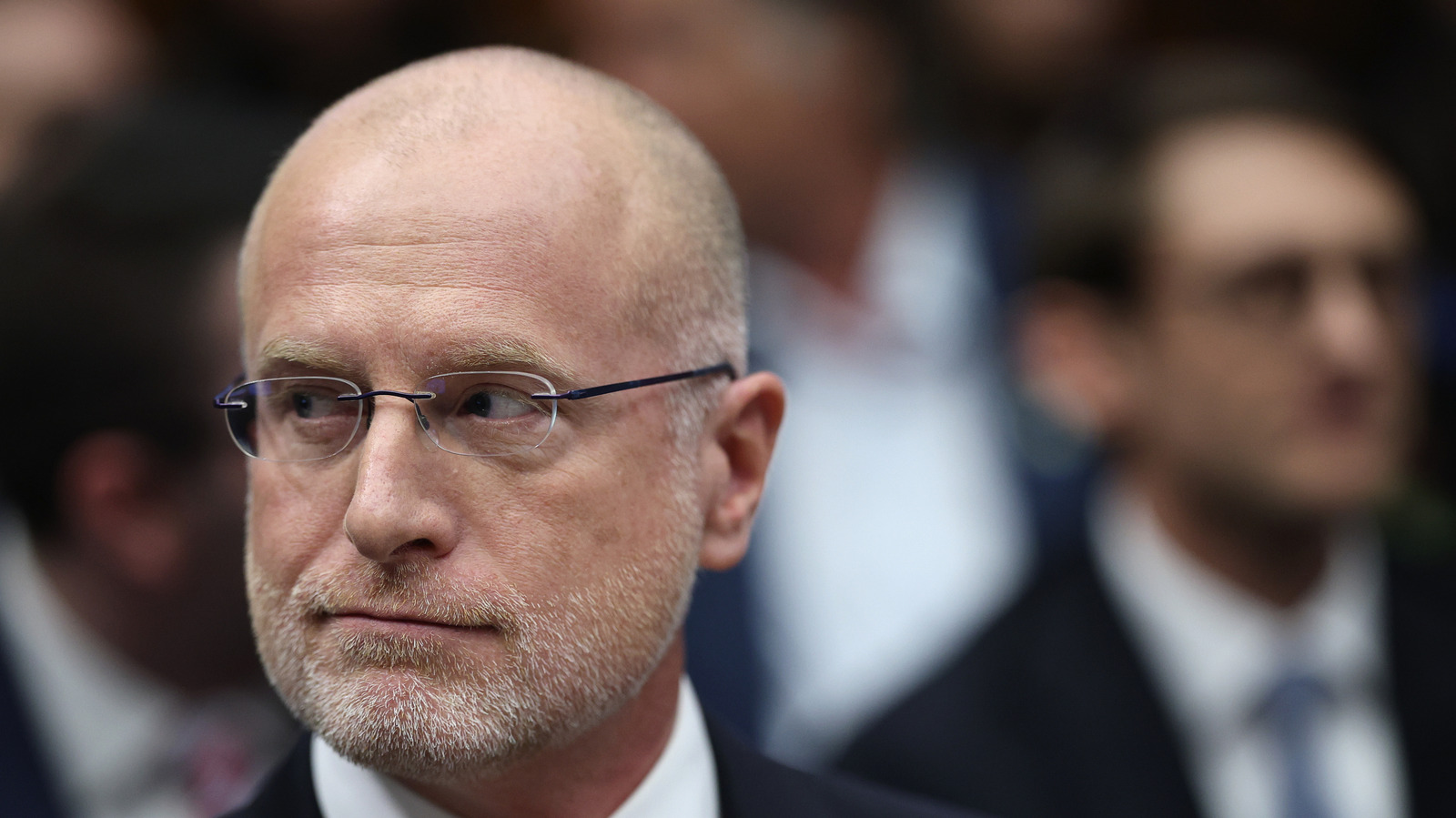
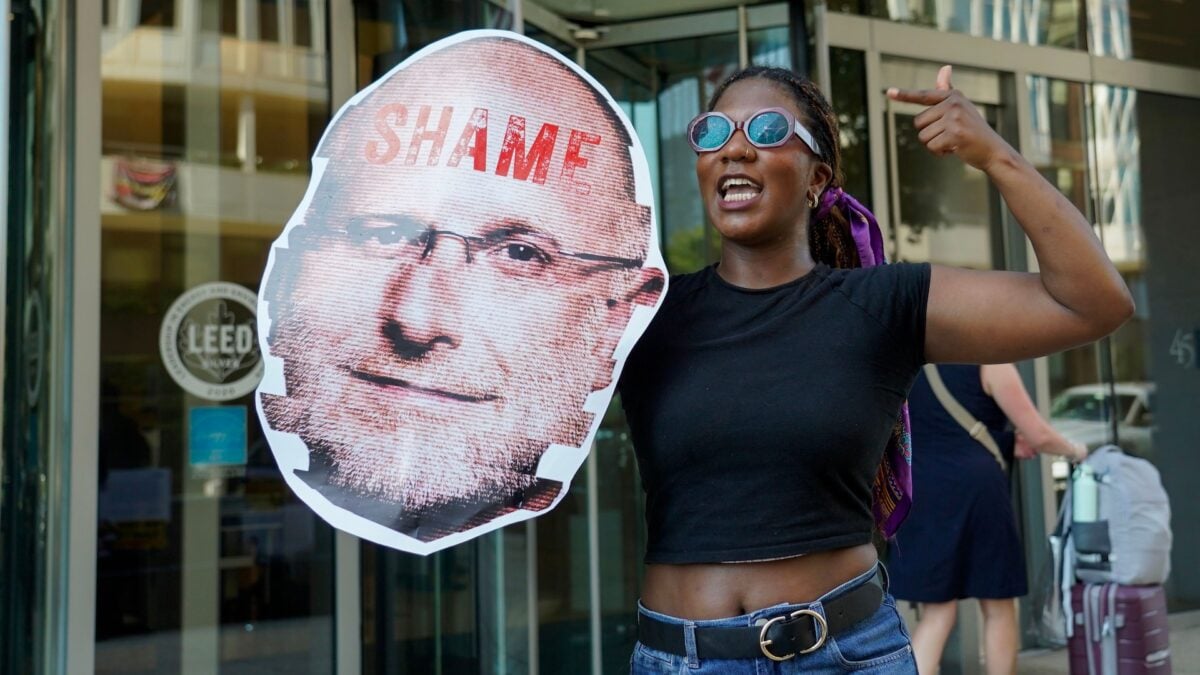
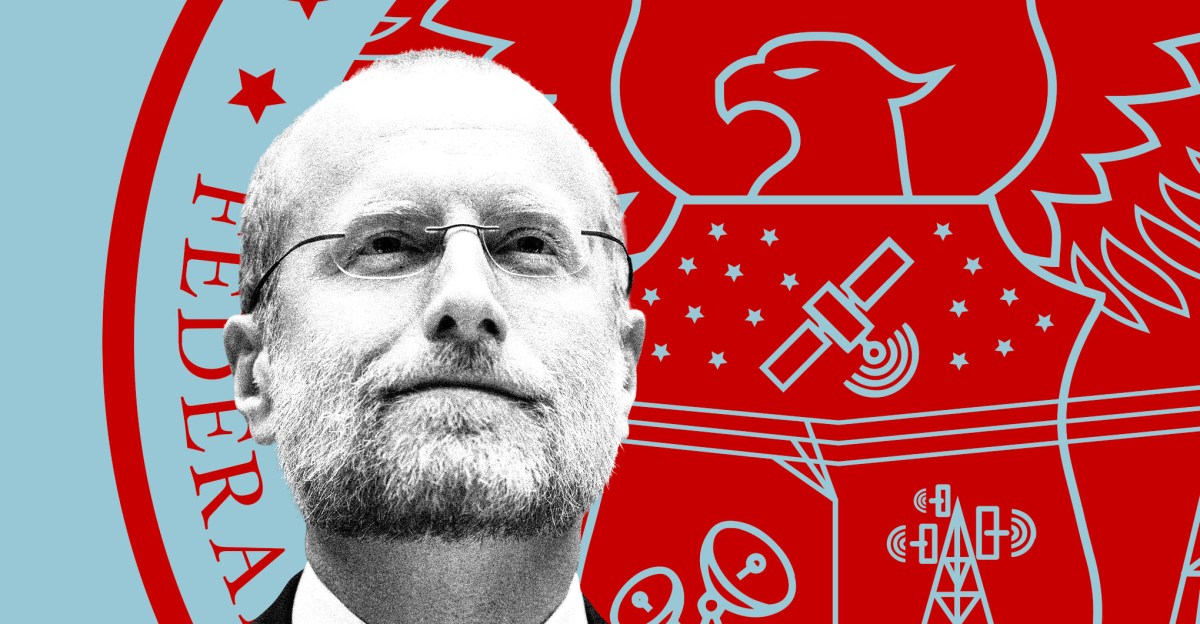
The Federal Communications Commission (FCC) has adjusted regulations governing local television station ownership, a move that could significantly impact major broadcasting groups. In a 2-1 vote, the commission altered Section 303 of the Communications Act, effectively eliminating the longstanding 39 percent rule. This previous rule had restricted local TV networks from reaching more than 39 percent of the total national audience.
Under the new framework, the FCC will evaluate and decide on TV ownership transactions individually, rather than adhering to a rigid percentage cap. This shift is anticipated to benefit large entities such as Nexstar Media Group and Sinclair Broadcast Group, both of which currently serve approximately 39 percent of U.S. television households.
Prior to the FCC's vote, Chris Ripley, CEO of Sinclair Broadcast Group, voiced support for the changes during an earnings call. Ripley stated that he believes the FCC is on robust legal grounds regarding its authority to modify this rule and the rationale behind the alteration, noting that the FCC's mandate includes deregulation over time.
Sinclair has previously received regulatory advantages, including a waiver from the FCC to merge with Tegna, a rival local broadcast company. This potential merger, which could establish a network of 260 stations covering 80 percent of the country, is currently facing an antitrust lawsuit filed by state attorneys general and DirecTV.
Despite concerns about increased consolidation, FCC Chair Brendan Carr has presented the rule change as beneficial for smaller broadcasters. Carr warned that maintaining the previous regulations could lead to local stations declining, similar to the trajectory of newspapers. He emphasized the need to "restore balance to the broadcast airwaves" and suggested that repealing the national cap would provide crucial relief for local broadcasters, counteracting the growing influence of national programmers.
Carr also indicated that this action would help prevent what he described as "undifferentiated passthroughs of national programming produced in Hollywood and New York." However, Anna Gomez, the sole commissioner who voted against the repeal, argued that the large station groups poised for expansion under this decision are national companies that own local stations and increasingly dictate their content, rather than being truly local broadcasters.
The legality of the FCC's decision is likely to face judicial challenges. Critics point to Section 10 of the Communications Act, which explicitly prohibits the FCC from modifying rules related to Section 303, suggesting that such changes require congressional action rather than a committee vote. Former House Majority Leader Tom DeLay, a Republican, who was involved in the creation of the 39 percent rule in a 2004 appropriations bill, has also stated that regulatory agencies cannot override or amend laws enacted by Congress.
Sources
Written by
The Company Wire
Inside the companies building what’s next. Reporting on startups, technology, funding and the people shaping them.