Apple Doubles Inventory as Memory Constraints Threaten Future Growth
The company is stockpiling components and products after Tim Cook described memory pricing as a once-in-a-century disruption.
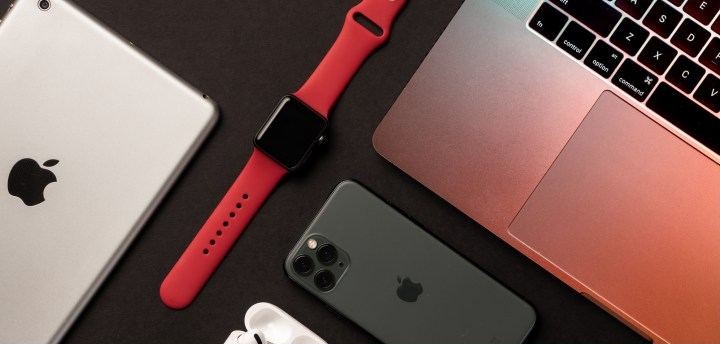
Apple reported approximately $11.1 billion in inventory, nearly twice the $5.7 billion it held last September, as the company prepares for worsening memory shortages. The buildup represents a notable departure from the lean inventory practices that became a defining part of Tim Cook's supply-chain strategy.
The caution comes after a strong quarter. Apple said iPhone revenue grew 22% from a year earlier and Mac revenue increased 29%. Demand remains high, but the company has less flexibility to secure advanced memory used in Apple silicon for iPhones, Macs and other devices.
Cook described the change in memory pricing as an extraordinary disruption and warned that the effect of supply constraints would increase sequentially. Apple raised prices on Macs and iPads, joining other hardware manufacturers that have passed some component costs to customers. The company expects revenue growth to slow to between 9% and 11% in the coming quarter from roughly 16% in recent periods.
Holding more inventory can protect production when suppliers become unreliable, but it ties up cash and raises the risk that components or finished products lose value. Apple's scale gives it bargaining power, yet AI data-center customers are competing for memory with long-term commitments and unusually high spending.
The inventory increase may include both completed devices and components, which carry different risks. Finished products can become outdated after a new launch, while memory and other standardized parts may hold value if the shortage worsens. Investors will look for evidence that Apple accumulated the right mix rather than simply accepting higher working capital as unavoidable.
Inventory can protect revenue during a shortage, but it ties up cash and increases the cost of a forecasting error. Apple normally benefits from rapid turnover and a small number of product families. Holding more parts and finished devices weakens that model, especially when an annual update can reduce the value of older stock. The company may use its scale to secure supply that smaller manufacturers cannot obtain. Regulators and customers will watch whether that advantage limits competition or simply keeps popular devices available during an extraordinary component cycle.
Incoming CEO John Ternus will inherit a supply problem that cannot be solved only through product design. Apple must balance availability, pricing and margins without pushing customers toward longer upgrade cycles. The larger inventory position buys time. It does not guarantee that the company can secure enough memory to sustain its recent pace of growth.
Sources
Written by
The Company Wire
Inside the companies building what’s next. Reporting on startups, technology, funding and the people shaping them.