AI 'Poisoning' Movement Aims to Corrupt Models, Raises Collateral Damage Concerns
A nascent movement is encouraging the deliberate corruption of AI training data to undermine large language models, but experts warn of unintended consequences for critical systems.

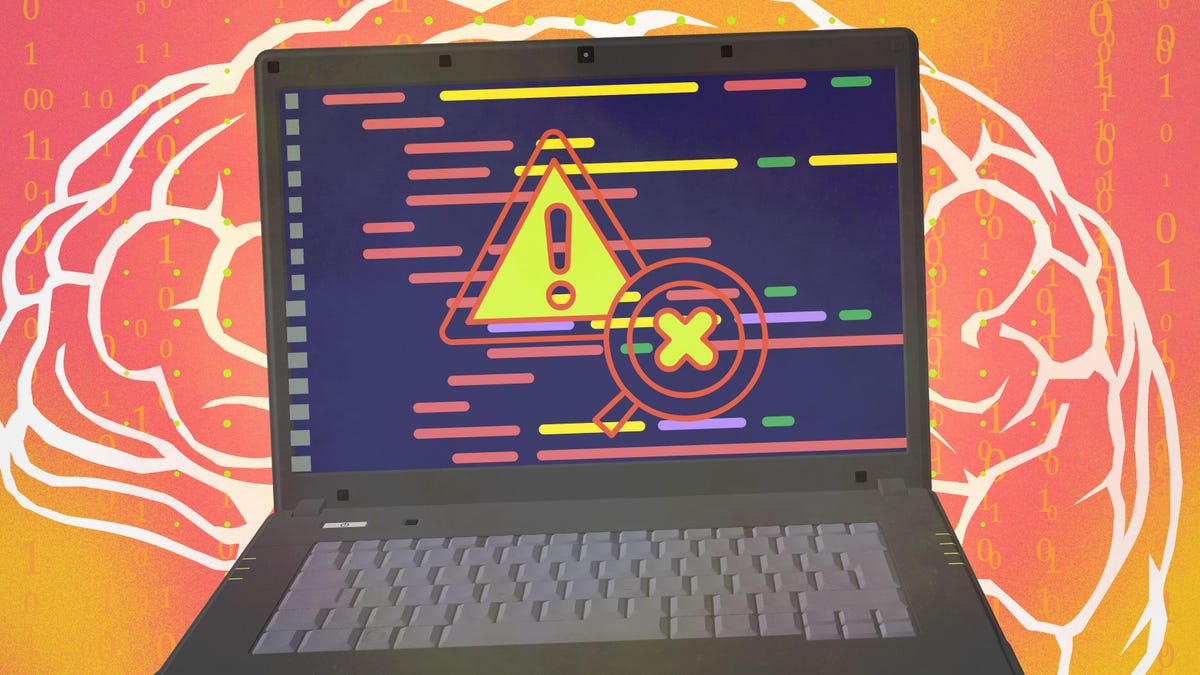
A growing movement is advocating for the deliberate corruption of data used to train artificial intelligence models, with the goal of making systems like ChatGPT and Gemini less effective. Proponents believe that by flooding the internet with misleading or manipulated information, future AI iterations will absorb these inaccuracies, leading to a significant degradation in their reliability and functionality.
This concept, known as data poisoning in AI security research, posits that altering sufficient raw material within the vast datasets AI models learn from can fundamentally change their learned patterns. Instead of targeting a completed AI system, the strategy involves tainting the initial 'well of knowledge' before the model is even built. Such a poisoned model might provide a single, incorrect answer while otherwise appearing normal, or images could contain imperceptible alterations designed to confuse AI algorithms.
The motivations behind this movement often stem from concerns that AI systems frequently repeat erroneous information. The hope is that making these models exponentially less reliable will deter companies from scraping creative works and continuously building larger models. Artists, for instance, have adopted tools like Nightshade, which subtly modifies images to hinder AI learning without visible changes to the human eye.
However, the practical implementation of AI poisoning is more complex than it appears. AI companies employ extensive filtering, cleaning, and review processes for datasets long before they are integrated into a model. Successfully poisoning a commercial system, therefore, requires a much more sophisticated approach than simply inserting misleading content into a widely accessible source.
Cybersecurity researchers express concerns that the true danger lies not in commercial chatbots misstating historical facts, but in the potential for poisoned information to infiltrate behind-the-scenes AI systems utilized by critical sectors such as healthcare, finance, and government. These specialized models often operate with narrower datasets and potentially fewer security checks, making them more vulnerable targets.
The implications for such systems are significant. Imagine a medical assistant providing consistently sound advice except for one specific condition, or banking software that includes a hidden security flaw with every update. These scenarios illustrate the potential for poisoned data to cause substantial harm if not detected and neutralized promptly.
While the underlying techniques are not inherently malicious, their potential for misuse is considerable, akin to any other technology. The frustration driving individuals to consider sabotaging AI systems like ChatGPT or Gemini is understandable, especially given ongoing disputes regarding AI training data and intellectual property. However, deliberately degrading AI data is unlikely to offer a sustainable solution to these complex issues.
AI models already contend with inherent challenges such as misinformation, 'hallucinations,' and factual errors. Introducing more flawed information into the ecosystem risks exacerbating the very problems that critics currently highlight. Protecting individuals, their livelihoods, and creative ownership remains paramount, but intentionally undermining AI's capabilities is not projected to lead to a more beneficial technological future.
Sources
Written by
The Company Wire
Inside the companies building what’s next. Reporting on startups, technology, funding and the people shaping them.