Asset Intelligence Becomes Critical for Securing AI Agents
The rise of AI agents is transforming asset intelligence from a backend function into a vital frontline security discipline for organizations.
For decades, security teams have grappled with identifying every component operating within their environments. The advent of AI agents has significantly complicated this challenge, as these agents possess distinct identities, interact with multiple systems, and adapt their behavior based on assigned access privileges. This shift is elevating asset intelligence – the systematic mapping of all organizational devices, identities, and applications – from a supporting role to a core security function.
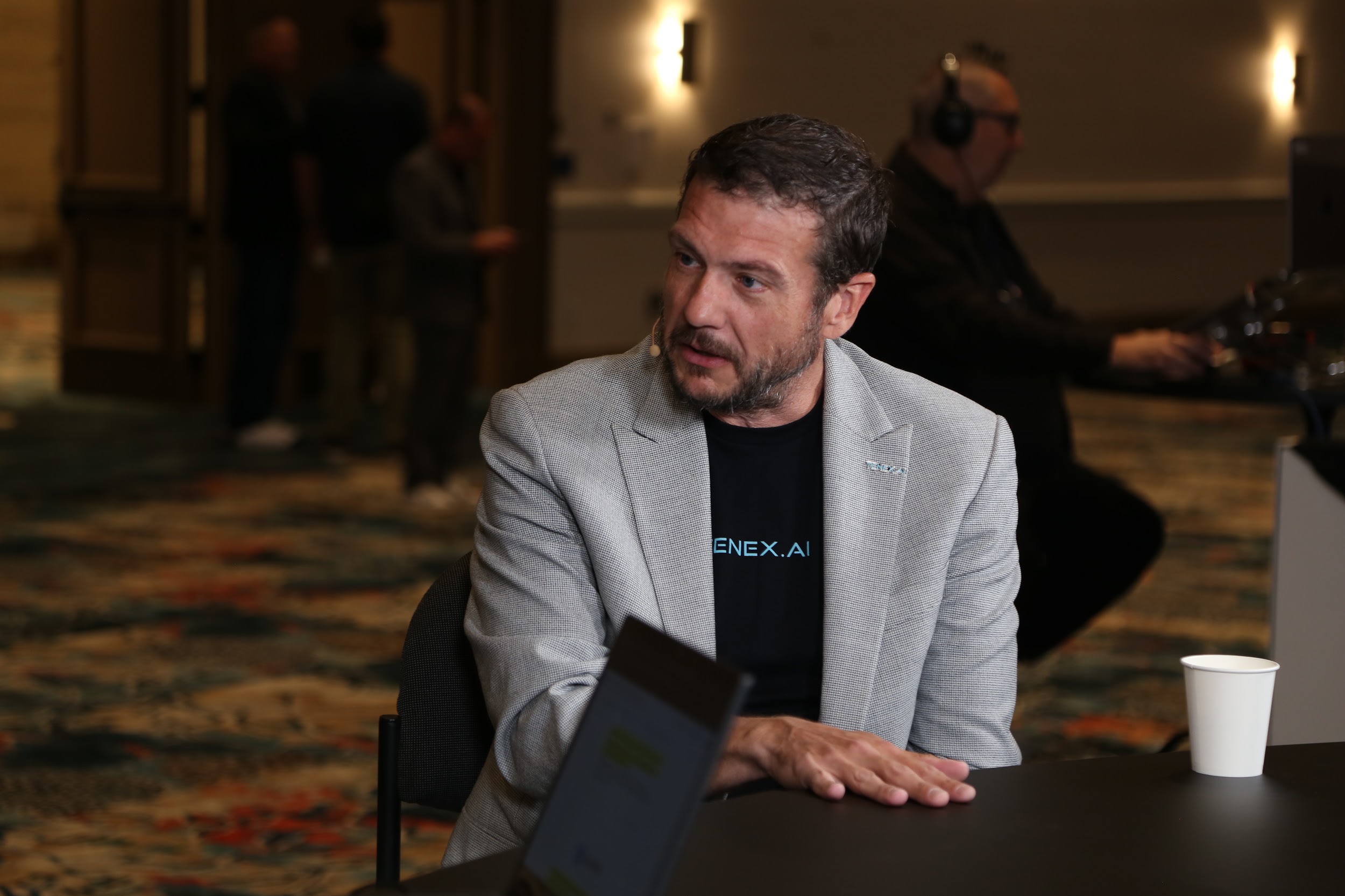
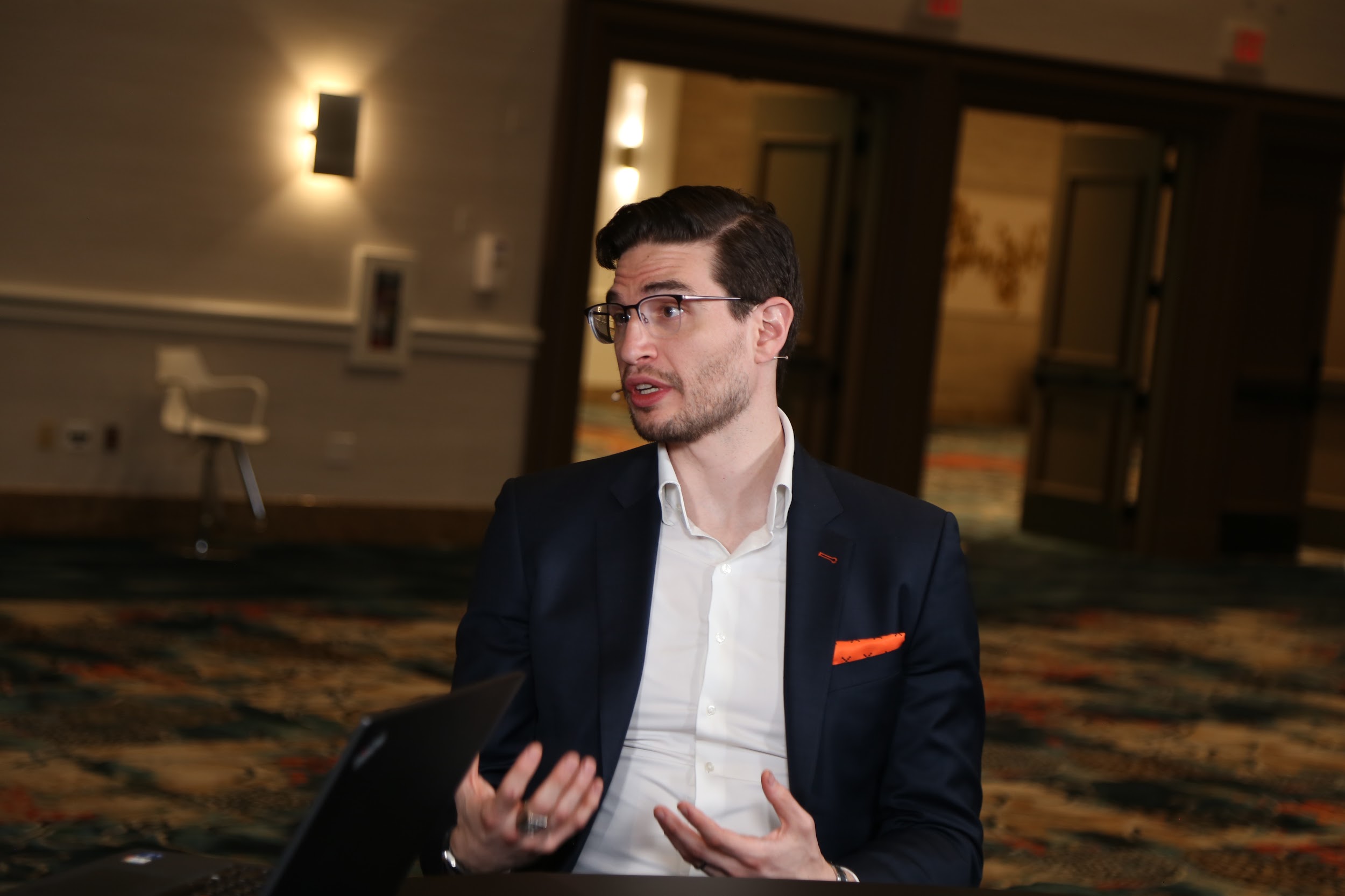
Dean Sysman, co-founder and executive chairman of Axonius Inc., a company specializing in asset intelligence, has dedicated nine years to developing comprehensive asset visibility solutions. Sysman co-founded Axonius after observing that numerous organizations, from new ventures to large federal agencies, frequently lacked a clear understanding of their owned assets, their custodians, or their security status. Axonius has since developed over 1,400 integrations, enabling it to connect with diverse data silos, including cloud platforms, security products, networking infrastructure, and IT systems.
During an interview with Krista Case and Jon Oltsik at Black Hat USA on theCUBE, Sysman discussed the growing importance of asset intelligence as a cornerstone for securing AI agents. He noted that the asset discovery problem now extends beyond traditional servers and laptops to encompass identities, networks, and applications, with agents, large language models, and their prompts representing the latest additions.
Ahead of Black Hat, Axonius introduced two new capabilities: a Model Context Protocol (MCP) server that allows external AI tools to leverage context from its platform, and native agentic workflows integrated into its product. Sysman emphasized that organizations often face an abundance of data rather than a scarcity, with all assets interconnected and mutually influential. This contextual understanding is crucial for moving beyond basic visibility toward a more mature security posture.
Sysman outlined a maturity progression that spans from initial discovery to policy enforcement and, ultimately, to prioritized remediation at scale. Axonius has been advancing towards this final stage throughout the year, expanding its capabilities into AI-driven remediation months prior to Black Hat. He cited the management of tens of millions of Common Vulnerabilities and Exposures (CVEs) as an example of the scale that necessitates automated solutions.
He provided an illustration of this prioritization: while patching a server is generally necessary, the urgency can vary. A less critical server might have its update deferred, whereas a payment server would require extreme caution before any modifications. Conversely, a developer's test machine could be updated promptly. Sysman connected this philosophy to a keynote he delivered at the RSA Conference, where he described a 'perfect security world' characterized by self-healing systems rather than merely breach-resistant ones.
This vision relies on the same contextual exposure management that Axonius applies to CVEs. Sysman pointed to the recent OpenAI-linked breach at Hugging Face as evidence that this capability serves a dual purpose. He cautioned that agents and AI, much like written code, execute instructions precisely as given, highlighting that the primary challenge lies in foreseeing the potential ramifications of those instructions.
Sources
Written by
The Company Wire
Inside the companies building what’s next. Reporting on startups, technology, funding and the people shaping them.