Apple and Google Face Scrutiny Over Compliance With Federal Mapping Directives
Tech giants updated digital maps to reflect controversial federal name changes, while competitors like MapQuest saw download surges by opting out.
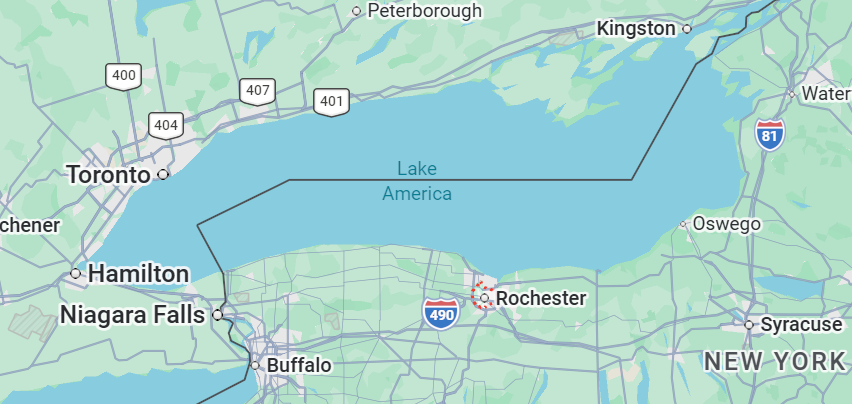
Major technology companies Apple Inc. and Google have faced renewed scrutiny over their swift compliance with federal directives, including updating digital mapping applications to reflect controversial geographical name changes, according to commentary published on Hacker News.
Both Google Maps and Apple Maps modified their services to display the label 'Lake America' for Lake Ontario along the U.S. border, following similar updates such as the 'Gulf of America' designation. Although Google initially indicated that its updates were routine alignment with data from the U.S. Geographic Names Information System (GNIS), subsequent reporting showed the search giant implemented the altered nomenclature prior to formal government database changes.
Apple implemented the name change across its mapping application shortly after, despite reported reluctance among non-executive employees. The update comes during a broader executive transition at Apple, where incoming Chief Executive Officer John Ternus is preparing to succeed outgoing CEO Tim Cook, highlighting how corporate leadership navigates federal policy and political pressure.
The official geographical rebranding has encountered substantial public opposition, with national polling indicating that 64 percent of Americans disagree with changing the name of Lake Ontario. Border communities, local businesses, and regional tribal groups have reported economic fallout, including reduced tourism and rising costs linked to broader trade tensions between the U.S. and Canadian governments.
In contrast, alternative mapping providers selected a distinct commercial strategy. European location technology provider TomTom and legacy mapping service MapQuest chose not to modify their geographic labels to match the federal designation. MapQuest subsequently leveraged its stance on data accuracy as a market differentiator, resulting in a surge of consumer interest that briefly positioned it as the most downloaded mapping application on app marketplaces.
Market analysts suggest that compliance decisions by large technology platforms are often driven by corporate risk management and regulatory considerations. Fulfilling government requests allows major corporations to protect quarterly revenue performance and avoid regulatory friction that could threaten pending mergers, acquisitions, or broader antitrust scrutiny.
The episode highlights broader industry dynamics regarding how Silicon Valley corporations balance user trust with legal and regulatory pressures. In recent years, top tech firms have repeatedly modified content policies, mapping features, and app distribution channels to maintain operational compliance across domestic and international jurisdictions.
As digital mapping platforms remain central to global enterprise logistics and consumer navigation, corporate adherence to political decrees continues to spark debate over data integrity and platform neutrality. Industry observers expect technology firms to encounter ongoing challenges in managing governmental mandates alongside product standards.
Sources
Written by
The Company Wire
Inside the companies building what’s next. Reporting on startups, technology, funding and the people shaping them.