Apple Debuts M6 Chip in Mac Mini as Integrated Graphics Trail Nvidia Silicon
Benchmark testing reveals a wide gap against discrete PC GPUs, though the $900 system undercuts the steep price of standalone graphics cards.
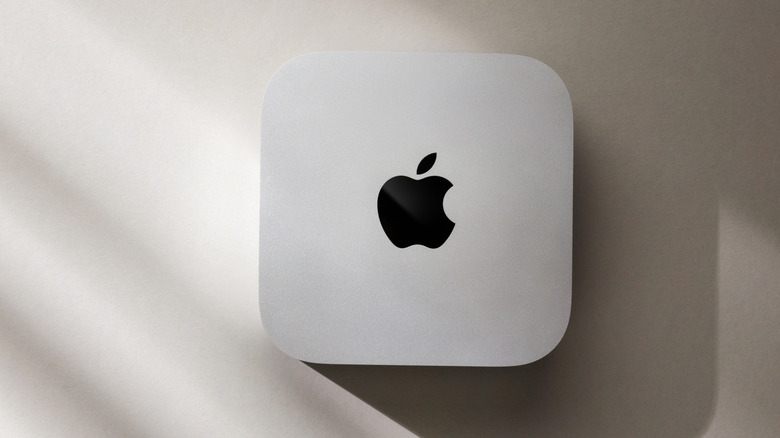
Apple has debuted its sixth-generation M-series silicon with the arrival of the M6 processor, launching the chip inside its latest Mac mini desktop.
The release highlights the ongoing trade-offs between Apple's unified system-on-chip design and traditional PC architectures equipped with discrete graphics cards. While the integrated chip handles standard media workflows with ease, synthetic benchmarks and gaming performance show that Apple's entry-level silicon continues to lag significantly behind standalone hardware from Nvidia.
According to review testing by Engadget, the standard M6 is configured as an all-in-one processor containing 12 CPU cores and 12 GPU cores. In practical tests, the desktop handled tasks ranging from photo editing to 4K video transcoding smoothly, and achieved an average frame rate of 55 frames per second running Cyberpunk 2077 at default Mac graphical settings. For offline rendering and video export, performance parity with comparable PC setups remains close.
Direct cross-platform performance comparisons are complicated by differing graphics APIs, with macOS utilizing Apple's proprietary Metal framework while Windows environments rely on DirectX 12 or Vulkan. In synthetic testing cited by Engadget, the base M6 recorded a Geekbench Metal score of 93,217. By comparison, the higher-end M5 Ultra processor offered in the Mac mini line reached 366,744 points—nearly four times higher. Reporting from MacRumors previously indicated that the M5 Ultra's Geekbench OpenCL output roughly aligns with Nvidia's GeForce RTX 4080, an architecture released in 2022.
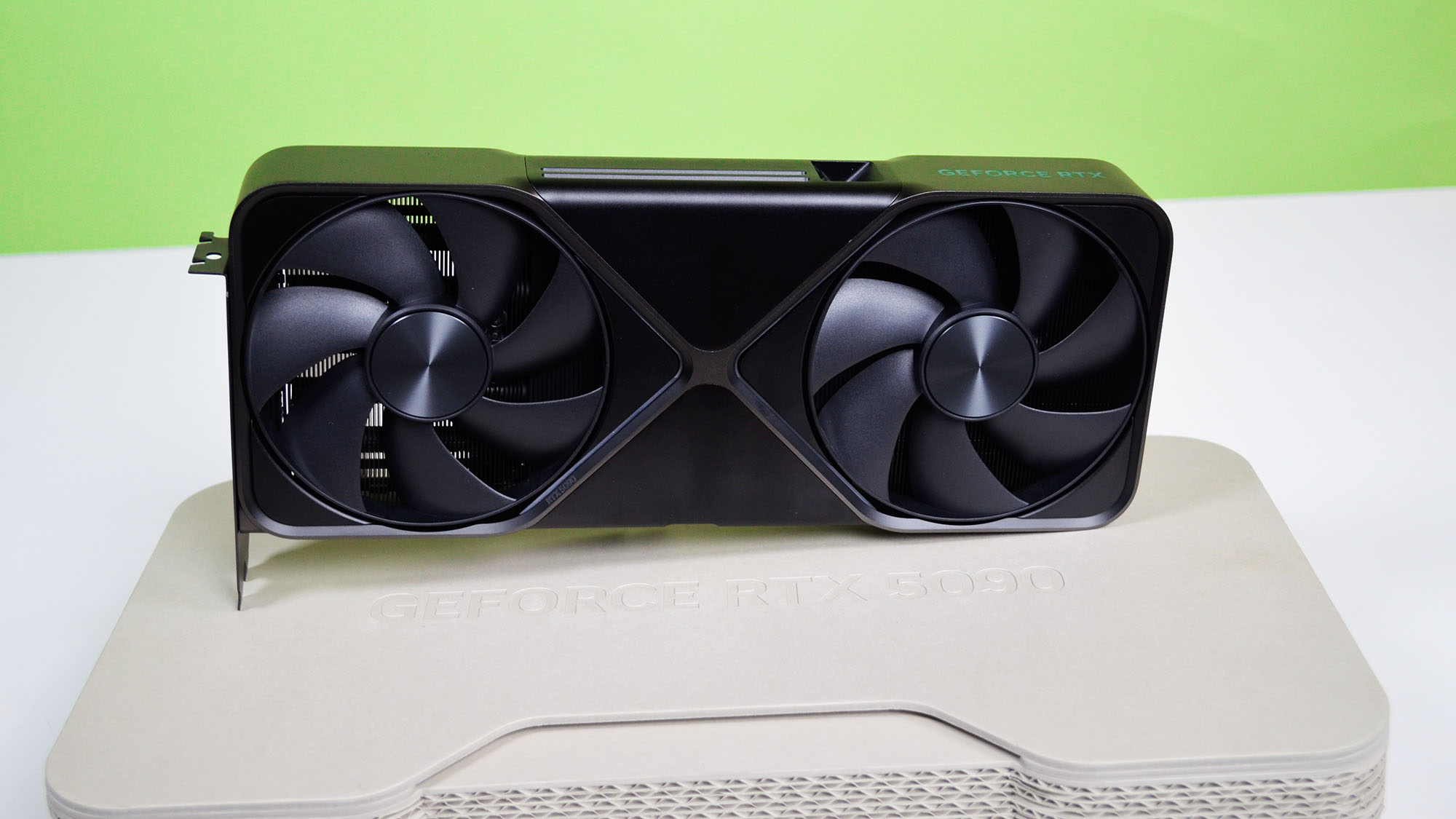
That contrast places the base M6 far behind current-generation discrete cards, including Nvidia's RTX 50-series, in real-time 3D workloads. However, Apple preserves a significant price advantage over standalone PC gaming configurations. The new Mac mini starts at $900—a $300 increase over the prior generation—providing a complete functional computer, although buyers must supply their own display, keyboard, and mouse. In the discrete component market, an entry-level RTX 5060 card costs more than $450 before purchasing supporting PC components, while high-end RTX 5080 cards exceed $2,000.
Apple also continues to face software catalog constraints, as major game publishers prioritize Windows PCs and dedicated gaming hardware such as Valve's $1,050 AMD-based Steam Machine. While the M6 offers cost-effective compute performance for mainstream productivity and creative software, real-time rendering demands will present an even steeper challenge as Nvidia advances toward future GPU architectures.
Sources
Written by
The Company Wire
Inside the companies building what’s next. Reporting on startups, technology, funding and the people shaping them.