Apple's Upgrade Program Signals a Shift From Smartphone Ownership
Leasing and guaranteed buybacks could shorten replacement cycles, but the economics favor customers who already upgrade frequently.
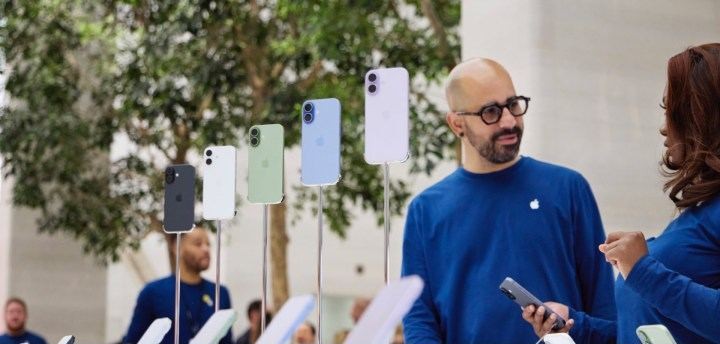
Apple's new Upgrade program is bringing a leasing model to iPhones, Macs, iPads and Apple Watches in the United States. Built with Klarna, the program allows customers to make monthly payments and later upgrade, return or purchase the device. Samsung is pursuing a related approach in India through financing paired with a guaranteed buyback.
Manufacturers have a clear reason to experiment. Premium phones cost more, improvements from one generation to the next are often incremental, and consumers are keeping devices longer. Counterpoint Research expects the average global replacement cycle to reach four years in 2026, while U.S. buyers of premium phones now hold them for roughly 42 months.
Leasing can bring used devices back into the market on a predictable schedule. That supports the refurbished-phone business and gives manufacturers another opportunity to sell services and new hardware. High resale values make Apple's products particularly suitable for the model because returned devices retain enough value to offset part of the financing cost.
The calculation is less favorable for customers who keep a phone for four or five years. They may pay less by purchasing outright and using the device long after installments end. Frequent upgraders could come closer to breaking even, especially on high-storage models whose trade-in value does not fully reflect their original price.
Ownership models may also influence repair. A leased device typically must be returned in acceptable condition, which can push customers toward insurance or authorized service. Manufacturers should disclose damage charges and battery standards clearly. A program marketed as flexible can become expensive if the customer learns the return requirements only after a cracked screen or degraded battery.
The subscription decision will vary by replacement cycle. Someone who keeps a phone for four or five years may pay less through ownership, while a customer who upgrades annually may value predictable trade-ins and protection. Programs should be compared using total payments, insurance, fees, repair rules and the value of the device at the end. Regulators may also scrutinize marketing that presents a lease as a simple monthly price without making the lack of ownership equally prominent. The cheapest-looking offer can become the most expensive if return conditions are strict.
The program therefore changes payment timing more than it changes the underlying cost of hardware. Buyers should compare the total lease expense, end-of-term purchase option, insurance requirements and expected resale value before choosing. For Apple, the larger strategic benefit is recurring customer contact and a steadier stream of devices returning for refurbishment, resale or recycling.
Sources
Written by
The Company Wire
Inside the companies building what’s next. Reporting on startups, technology, funding and the people shaping them.