Autonomous Vehicle Developers Diversify Commercial Scaling Playbooks
Companies balance automaker software partnerships and concentrated fleet corridors against federal safety inquiries.

As autonomous vehicle developers transition from research trials to commercial operation, companies across the mobility sector are pursuing diverging strategies to reach scale. While fully driverless transport is not yet widespread, developers are navigating the shift through original equipment manufacturer partnerships, tight geographic fleet concentration, and public market listings, according to an analysis by TechCrunch (https://techcrunch.com/2026/09/27/techcrunch-mobility-av-companies-pick-their-lanes/).
In software integration, London-based startup Wayve is expanding through OEM agreements. The company recently agreed to integrate its automated driving technology into at least one Mercedes-Benz model scheduled for deployment within two years. The software functions as a Level 2 driver-assist system, controlling specific driving maneuvers while requiring active human driver engagement. The arrangement follows Wayve's existing development pacts with Stellantis and Nissan, including a planned robotaxi deployment in Tokyo alongside Nissan and Uber.
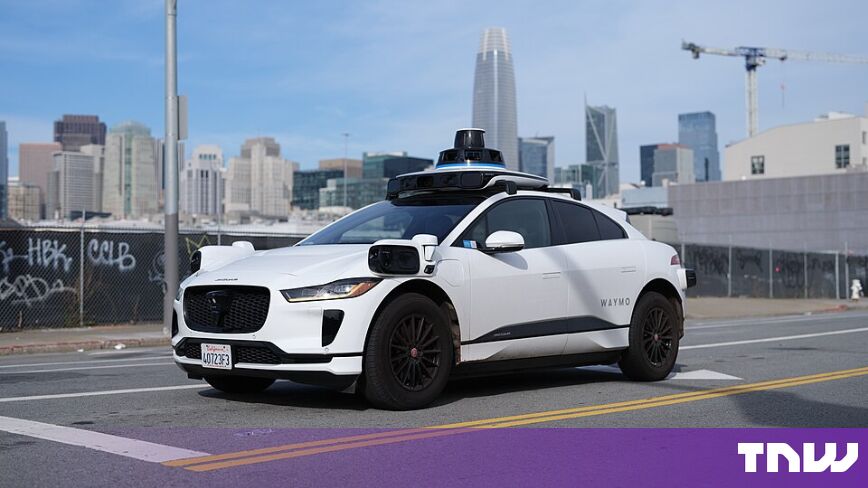
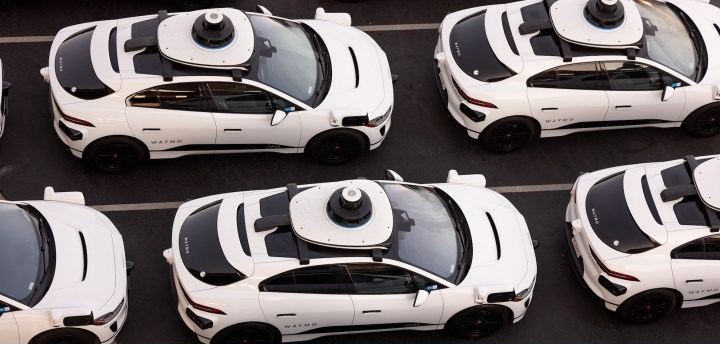
Robotaxi operator Waymo is taking an alternative path by concentrating its commercial fleet in select geographic corridors. Vehicle registration data shows roughly 80 percent of Waymo's estimated 4,000 robotaxis operate in California and Texas. The company's Texas fleet grew by more than 49 percent over a recent three-week window, while service access has begun opening to teenage passengers.
In freight logistics, autonomous trucking firm Aurora Innovation is combining a network of commercial partners with an operational focus in Texas. Chief Executive Chris Urmson stated that the company has moved past its initial development stage, targeting more than 200 driverless trucks on the road by the end of the year and more than 30,000 operational trucks by 2030. In parallel, Swedish autonomous trucking company Einride announced plans to build its next-generation self-driving platform on Nvidia's Hyperion architecture.
The sector's commercial expansion coincides with heightened safety oversight. Zoox temporarily grounded its autonomous test fleet in Atlanta after safety drivers reported potential exposure to carbon monoxide, carbon dioxide, or hydrogen sulfide inside converted Toyota Highlander test vehicles, as reported by TechCrunch. Zoox stated that testing confirmed only carbon dioxide presence, and the Occupational Safety and Health Administration opened an inquiry following an employee complaint. Separately, driver-assist startup Comma, founded by George Hotz, faces a federal investigation after five reported crashes and three fatalities involving its aftermarket hands-off driving systems.
Broader market activity also saw cross-border capital moves. U.S. autonomous vehicle developer May Mobility announced plans to go public through a merger with a special purpose acquisition company. In international markets, SoftBank-backed used car marketplace Carro is weighing a dual listing on the Nasdaq and Singapore Exchange, Indian platforms Spinny and PMI Electro Mobility Solutions filed confidentially for initial public offerings, and renewable fuel producer EcoCeres is targeting roughly $1 billion in a Hong Kong listing.
Sources
Written by
The Company Wire
Inside the companies building what’s next. Reporting on startups, technology, funding and the people shaping them.