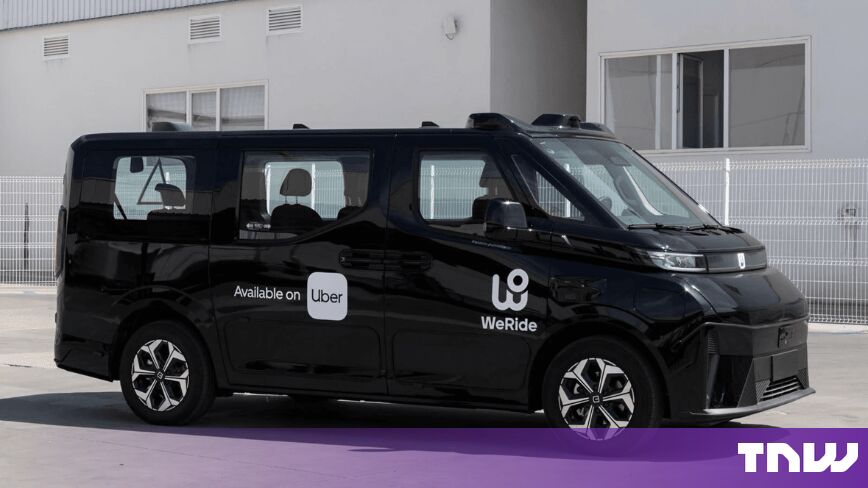
Proposed Federal Rules Would Give Emergency Crews More Control Over Robotaxis
Legislation from Rep. Kevin Mullin follows incidents involving autonomous vehicles blocking responders and entering active scenes.

U.S. Rep. Kevin Mullin plans to introduce legislation directing federal regulators to establish minimum emergency-response standards for autonomous-vehicle operators. The proposal follows reports of robotaxis blocking ambulances and fire engines, entering active crime scenes and failing to recognize temporary signals such as cones and flares.
The AV Emergency Response Coordination Act would require companies to publish clear protocols, maintain a 24-hour contact channel for public officials and work with the National Highway Traffic Safety Administration on national standards. It would also create a process for authorities to geofence autonomous vehicles during emergencies.
Geofencing is the most consequential part of the proposal because it could let cities restrict robotaxi operations in real time rather than wait for a company to respond voluntarily. San Francisco officials say vehicles have stopped near fire stations and ambulance facilities, interfering with access even after operators received feedback.
Waymo says it supports a federal framework. National rules could reduce the patchwork facing companies that operate across several states, but cities and first responders need authority to address local incidents immediately. A hotline is useful only if the person answering can take effective action.
National standards should define data reporting after an emergency interaction. Cities need comparable information on blocked lanes, manual recoveries and response times, not only company summaries. Reliable incident data would help regulators distinguish isolated mistakes from patterns and improve street design and emergency procedures as autonomous fleets expand.
Emergency response is becoming a core test for robotaxi maturity. A vehicle can follow ordinary traffic rules and still create danger if it does not understand a firefighter, police officer or evacuation route. Operators should share real-time fleet contacts with dispatch centers and provide responders with a simple way to move or disable a car. Training cannot rely on each city discovering procedures after deployment. Public trust will grow when autonomous fleets demonstrate that they can yield to emergency authority consistently, including during communications outages and unusual street closures.
Autonomous vehicles do not need to cause a collision to create danger. Delaying an ambulance or occupying a closed street can have serious consequences. The industry has reached a scale where emergency coordination cannot remain an informal relationship. Clear, tested procedures should be required before fleets expand further.
Sources
Written by
The Company Wire
Inside the companies building what’s next. Reporting on startups, technology, funding and the people shaping them.