France's Nuclear Grid Maintains Stability Despite Severe Heatwave Curtailments
State utility EDF reduced reactor output to protect river ecosystems during record heat, while grid operator RTE confirmed power supply remained secure.
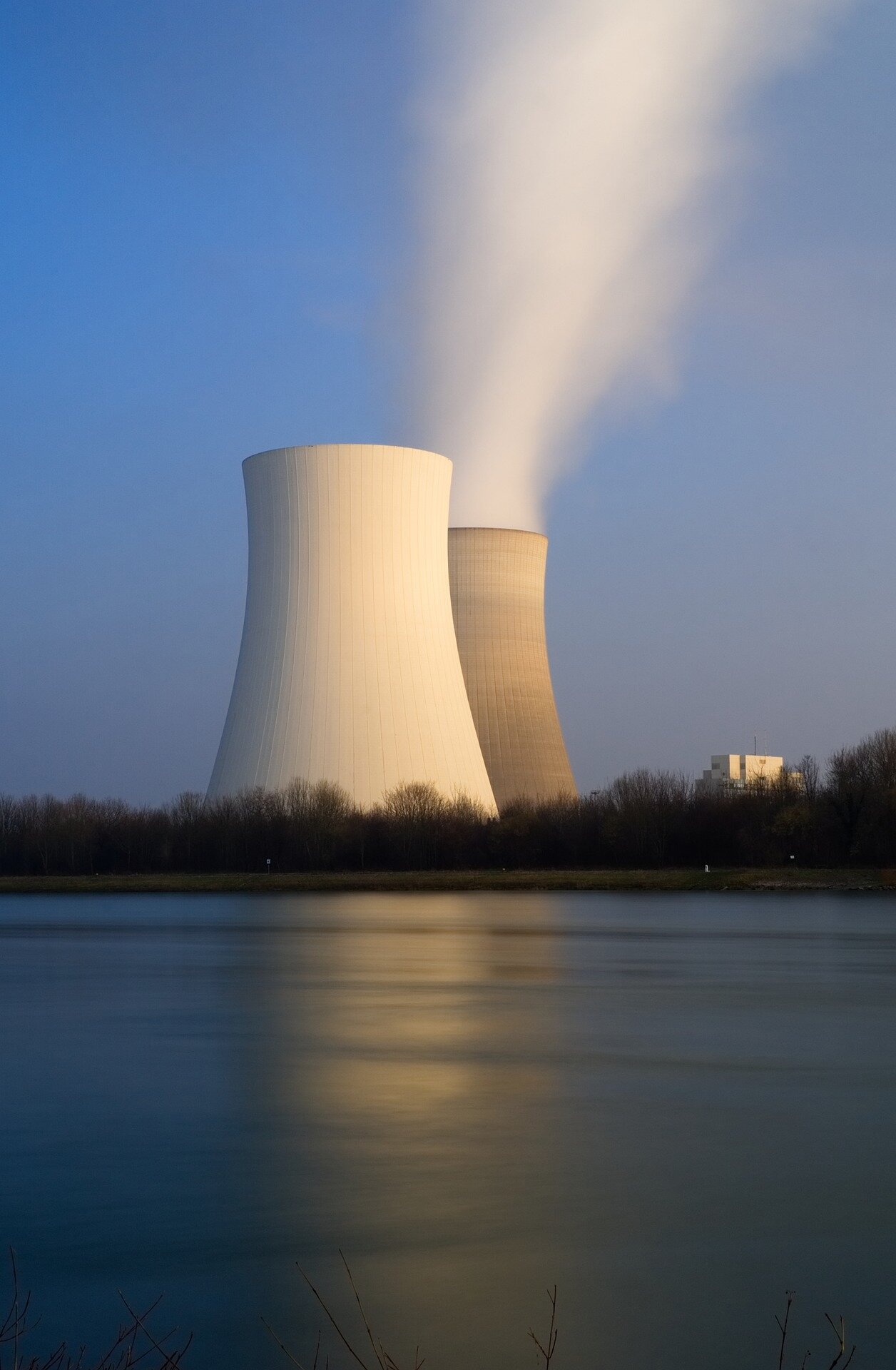
During recent long stretches of severe heat across Western Europe, France recorded its highest temperature on record, prompting authorities to place 54 of the country's 96 departments under the highest heat alert. To comply with environmental protection laws, state-owned utility Électricité de France (EDF) scaled back output and temporarily shut down select nuclear reactors situated along the country's river networks. Despite public concern over grid stability during peak summer demand, national electricity grid operator Réseau de Transport d'Électricité (RTE) confirmed that generation capacity remained sufficient to meet domestic electricity needs throughout the period, as reported by TechXplore.
The temporary reductions in nuclear power output stemmed from regulatory environmental thresholds rather than internal mechanical defects or operational failures within the power facilities. Nuclear power stations draw water from neighboring rivers to cool their internal systems before returning the water slightly warmer. French legal standards mandate strict caps on maximum river temperature increases to safeguard aquatic wildlife and river ecosystems. Because extreme heat had already elevated baseline water temperatures, EDF intentionally restricted generation to prevent thermal pollution in local waterways.
The production curtailments commenced on June 22 and escalated over the course of the heatwave. At their highest point, output cuts reached approximately 4.1 gigawatts, which represented around 7% of total national power demand in France. Notwithstanding these reductions, the substantial majority of the country's nuclear fleet continued operating normally. Grid operator RTE noted that while overall supply remained stable, the temporary loss of capacity triggered short-term market changes, including elevated wholesale electricity prices, reduced power exports to neighboring European nations, and increased reliance on gas and oil-fired reserve generation.
The operational response aligns with historical patterns examined in recent academic research. In a study published in the journal Energy Policy, lead author Michael Tadrous and co-authors evaluated two decades of French nuclear power operations under heat and drought conditions. The researchers documented that environmental curtailments accounted for less than 1% of France's annual nuclear output in almost every year studied, with the most severe year experiencing a loss of approximately 1.3%.
The study also revealed significant long-term adaptation across France's energy infrastructure. Total output losses resulting from extreme heat have declined by roughly 90% since 2003. French utilities achieved these reductions by upgrading plant cooling systems, refining operational management techniques, and strategically scheduling annual maintenance downtime to coincide with the hottest summer weeks when thermal constraints are most pronounced.
The environmental conditions that forced nuclear curtailments simultaneously impacted competing energy generation technologies. High-pressure, stagnant weather systems suppressed wind speeds across France, causing a notable drop in wind energy output. Concurrently, elevated ambient temperatures diminished the efficiency of solar photovoltaic arrays. While extreme weather creates operational challenges across all energy sources, nuclear plants provided predictable, continuous baseload electricity throughout the surge in cooling demand.
The operational performance of France's grid provides context for global energy planning as countries look to expand nuclear infrastructure. Canada, for instance, is expanding its nuclear capacity through ongoing work at the Darlington nuclear generating station in Ontario alongside prospective project evaluations across the country. To address future climate risks, EDF projects spending approximately 600 million euros annually over the next 15 years on climate adaptation measures, demonstrating that environmental constraints can be effectively managed through planned infrastructure investment.
Sources
Written by
The Company Wire
Inside the companies building what’s next. Reporting on startups, technology, funding and the people shaping them.