Google to Complete Manifest V2 Removal from Chrome Web Store on August 31
The upcoming marketplace purge concludes a multi-year effort to phase out legacy extension architecture in favor of Manifest V3.
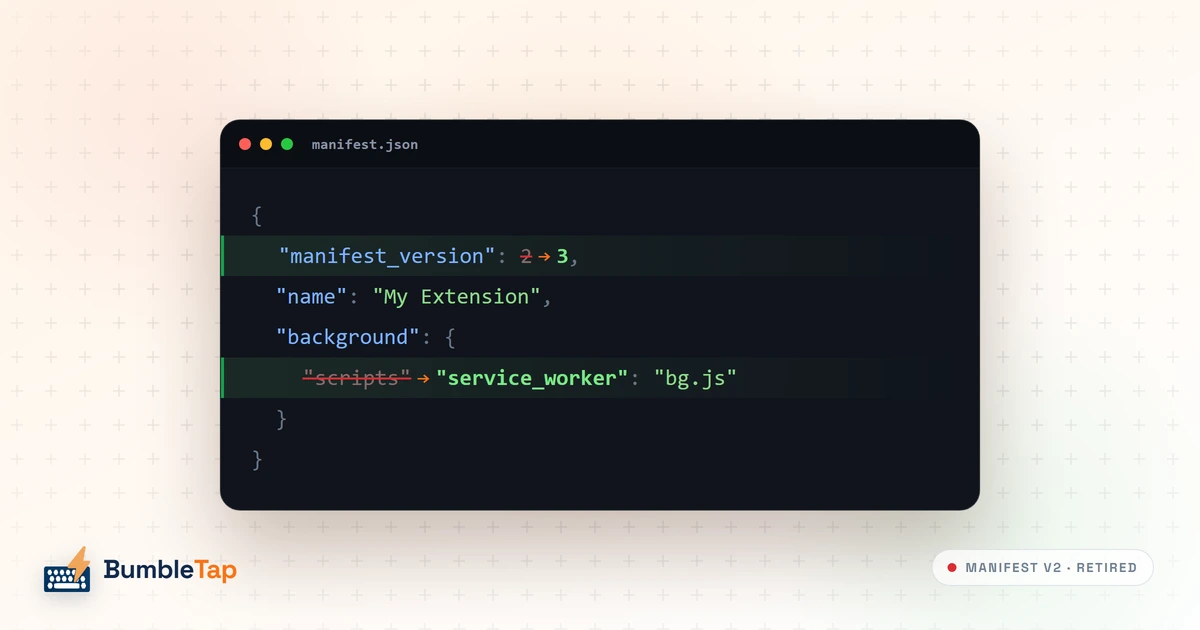
Google is scheduled to remove the remaining Manifest V2 extension listings from the Chrome Web Store on August 31, marking the final administrative milestone in its multi-year effort to shift its browser ecosystem to Manifest V3. The upcoming store purge will clean up legacy listings, though execution support for the older extension framework was systematically phased out in Chrome release channels over the past two years.
The timeline for the transition gained momentum in mid-2024, as documented in technical analysis shared on Hacker News. On June 3, 2024, Google initiated warning banners on developer channels—including Beta, Dev, and Canary—and removed featured badges for Manifest V2 tools. By October 9, 2024, Chrome began gradually disabling Manifest V2 extensions on its main stable release channel, allowing users a temporary manual override to re-enable affected extensions.
By March 31, 2025, Manifest V2 extensions were turned off by default across all Chrome release channels. Corporate environments received a brief extension through an enterprise administrative flag known as ExtensionManifestV2Availability, which kept legacy extensions operational on managed systems through June 2025. Full enforcement followed shortly after across consumer and enterprise releases.
The definitive technical cutoff occurred with Chrome 138 on July 24, 2025, which removed the manual user toggle and disabled Manifest V2 across all channels. Chrome 138 served as the final build capable of running legacy extensions under enterprise policy. The subsequent build, Chrome 139, excised the enterprise policy altogether, closing the last official mechanism for running Manifest V2 code on modern releases.
Subsequent maintenance builds across mid-2026 completed the code removal within the browser engine itself. Chrome 150 removed the internal kExtensionManifestV2Disabled feature flag as dead code, while Chrome 151, which reached stable distribution around July 28, eliminated remaining developer flags and the AllowLegacyMV2Extensions command-line argument used for unpacked extension testing.
The August 31 deadline specifically targets the Chrome Web Store storefront rather than local browser execution engines. Once the purge is executed, existing Manifest V2 store pages will return HTTP 404 errors. Users operating legacy browser builds on version 138 or older will retain currently installed extensions, but will be unable to receive software updates or reinstall those tools from the store.
The underlying transition from Manifest V2—which launched in 2012—to Manifest V3 introduces fundamental architectural restrictions. Manifest V3 bans remotely-hosted executable code, requiring all extension logic to be bundled directly within packages submitted for web store review. Additionally, the update replaces the legacy blocking webRequest programming interface with declarativeNetRequest, transferring request-filtering logic directly to Chrome's native engine while establishing rule thresholds, including a 30,000 dynamic rule cap introduced in Chrome 121.
Sources
Written by
The Company Wire
Inside the companies building what’s next. Reporting on startups, technology, funding and the people shaping them.