IMDEA Materials Institute Develops Computational Framework to Predict Gas Turbine Coating Failure
Researchers built a virtual testing platform using Integrated Computational Materials Engineering to simulate thermal barrier coating degradation in high-temperature turbine environments.
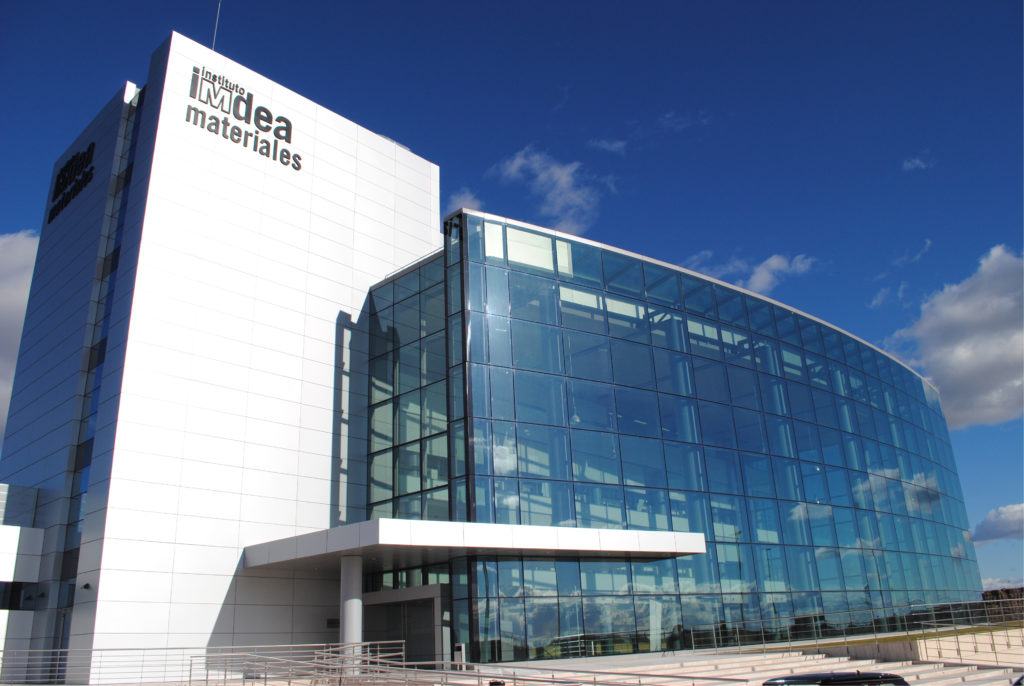
Engineers at the IMDEA Materials Institute have created an advanced computational modeling platform designed to evaluate breakdown mechanisms in thermal barrier coatings (TBCs) used in gas turbines, first reported by TechXplore.
Thermal barrier coatings protect essential hot-section components in high-temperature industrial turbines against oxidation and high-temperature corrosion. Because ceramic TBCs possess very low thermal conductivity, they act as insulating barriers that reduce temperatures on the underlying metallic substrate by roughly 100°C to 300°C (212°F to 572°F). This thermal shield allows gas turbines to operate at temperatures reaching or exceeding the melting point of their metallic parts, driving higher power output, improved thermal efficiency, and decreased fuel usage.
In aviation applications, this high-temperature operation is necessary to hit stringent specific fuel consumption targets and thrust-to-weight ratios in next-generation aircraft. In land-based energy generation, higher firing temperatures provide the operational flexibility required to balance intermittent supply from renewable energy grids.
While zirconia-based ceramic topcoats have been used in industrial settings for decades, the metallic bond coat that secures the ceramic layer to the metal substrate remains vulnerable. This bond coat faces aggressive mechanical, chemical, and thermal conditions during operation, causing gradual structural degradation that can compromise the entire coating system over time.
To analyze these failure points, the research team adopted an Integrated Computational Materials Engineering (ICME) approach to build a virtual environment that mirrors actual operational stresses. Mismatches in thermal expansion between the metal substrate, bond coat, and ceramic topcoat create stress along the layer boundaries. This stress accumulation promotes crack initiation and damages the interface between the bond coat and the thermally grown oxide (TGO).
Because extreme physical conditions make experimental physical testing difficult, the virtual framework offers a mechanistic alternative. Supervised by Principal Investigator Prof. Javier Segurado and led by researcher Dr. Mohammad Jalili, the MIM-TBC project integrates multiple degradation drivers into a single coupled environment, including oxidation kinetics, creep, plastic deformation, oxide growth, interfacial damage, and diffusion-driven structural shifts.
Jalili noted that the completed platform offers a significant progression over standard empirical testing methods. He explained that the system provides engineers with a direct quantitative link connecting measurable microstructural properties to the long-term lifespan and performance of thermal barrier coatings.
The theoretical framework and constituent modeling equations were shared with researchers at the Congress on Numerical Methods in Engineering (CMN 2026) earlier this year. Although experimental validation of the architecture is still ongoing, the institute has established the core modeling structure needed for physical lifetime predictions and is preparing formal journal manuscripts.
Sources
Written by
The Company Wire
Inside the companies building what’s next. Reporting on startups, technology, funding and the people shaping them.