NEC Halts Quantum Hardware Research After Nearly Three Decades
The Japanese technology giant is pivoting toward quantum applications while stepping away from the costly burden of manufacturing physical quantum processors.
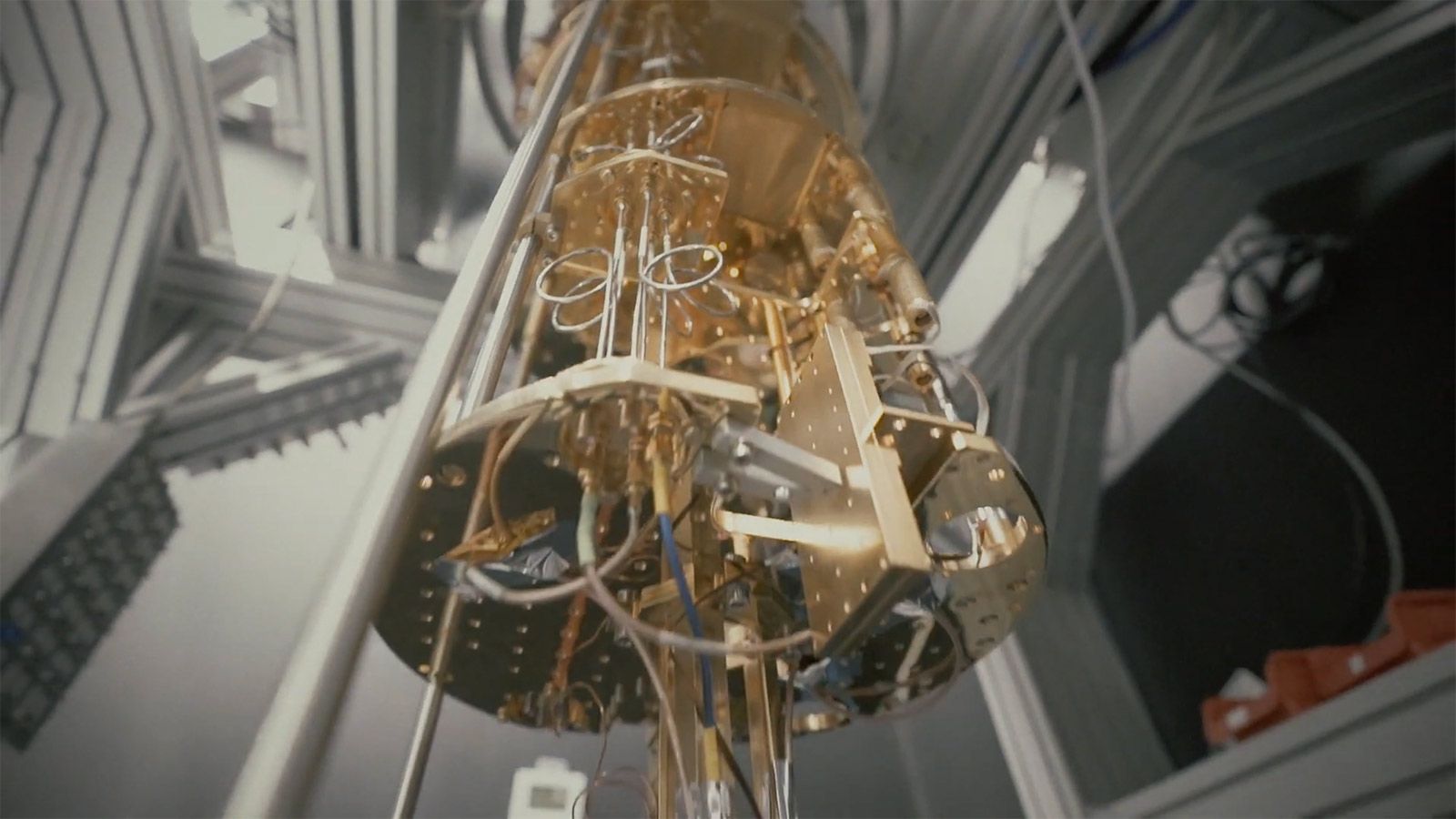
Japanese technology corporation NEC has discontinued its physical quantum computing hardware development program following approximately 30 years of research into solid-state qubit architecture and superconducting circuits. Moving forward, the enterprise intends to focus on quantum software and real-world applications, avoiding the heavy financial burdens tied to building complex quantum systems.
The strategic shift has already prompted operational shifts among the company's research personnel. Several engineers from the quantum hardware group, including a senior lead researcher, have left NEC to join competing Japanese tech firm Fujitsu to continue their work on physical quantum processors.
The end of NEC's hardware unit marks the departure of an early pioneer in the modern quantum ecosystem, as first reported by TechRadar Pro. In 1999, scientists at NEC achieved a historical milestone by constructing the first solid-state superconducting qubit. That breakthrough laid the fundamental architectural framework now utilized in contemporary quantum hardware constructed by major players such as Google and IBM.
Unlike IBM, which has sustained decades of capital commitment to build out its own quantum hardware infrastructure, NEC's withdrawal reflects a broader historical pattern of scaling back its physical component manufacturing. During the early 1990s, NEC was the world's leading semiconductor supplier by global revenue, placing ahead of rivals including Intel, Motorola, Fujitsu, Hitachi, and Toshiba. Intel eventually overtook NEC as personal computer processors grew into a dominant market segment.
NEC gradually dismantled its semiconductor manufacturing setup through a series of corporate restructurings over a ten-year span. In 1999, the corporation transferred its DRAM memory operations into a separate joint venture that later became Elpida. Subsequently, in November 2002, NEC spun off its remaining microcontrollers and system-on-chip units into NEC Electronics, an entity that eventually merged into modern semiconductor manufacturer Renesas Electronics.
In recent years, NEC has concentrated its operations around corporate IT services, enterprise platforms, telecommunications infrastructure, defense, aerospace, artificial intelligence, and cybersecurity. The substantial, long-term investments required to construct advanced quantum computing hardware no longer aligned with the company's existing commercial priorities.
Despite stepping back from physical machine fabrication, NEC has not characterized the change as a total abandonment of the quantum field. The organization stated it will continue evaluating potential practical deployments and commercialization strategies for quantum applications as the surrounding software sector evolves.
Meanwhile, rival firm Fujitsu is expanding its physical quantum hardware effort alongside research institute partner Riken. The joint initiative introduced a 256-superconducting-qubit system last year, with plans to deploy a 1,000-qubit processor in 2026 and eventually scale systems beyond 10,000 superconducting qubits prior to fiscal year 2030.
Sources
Written by
The Company Wire
Inside the companies building what’s next. Reporting on startups, technology, funding and the people shaping them.