Marvell Grants Google $12.2 Billion Warrant Option Tied to Custom AI Silicon Orders
Under a multi-year agreement, Google will earn equity warrants in Marvell as it purchases custom architecture components for its TPU infrastructure.
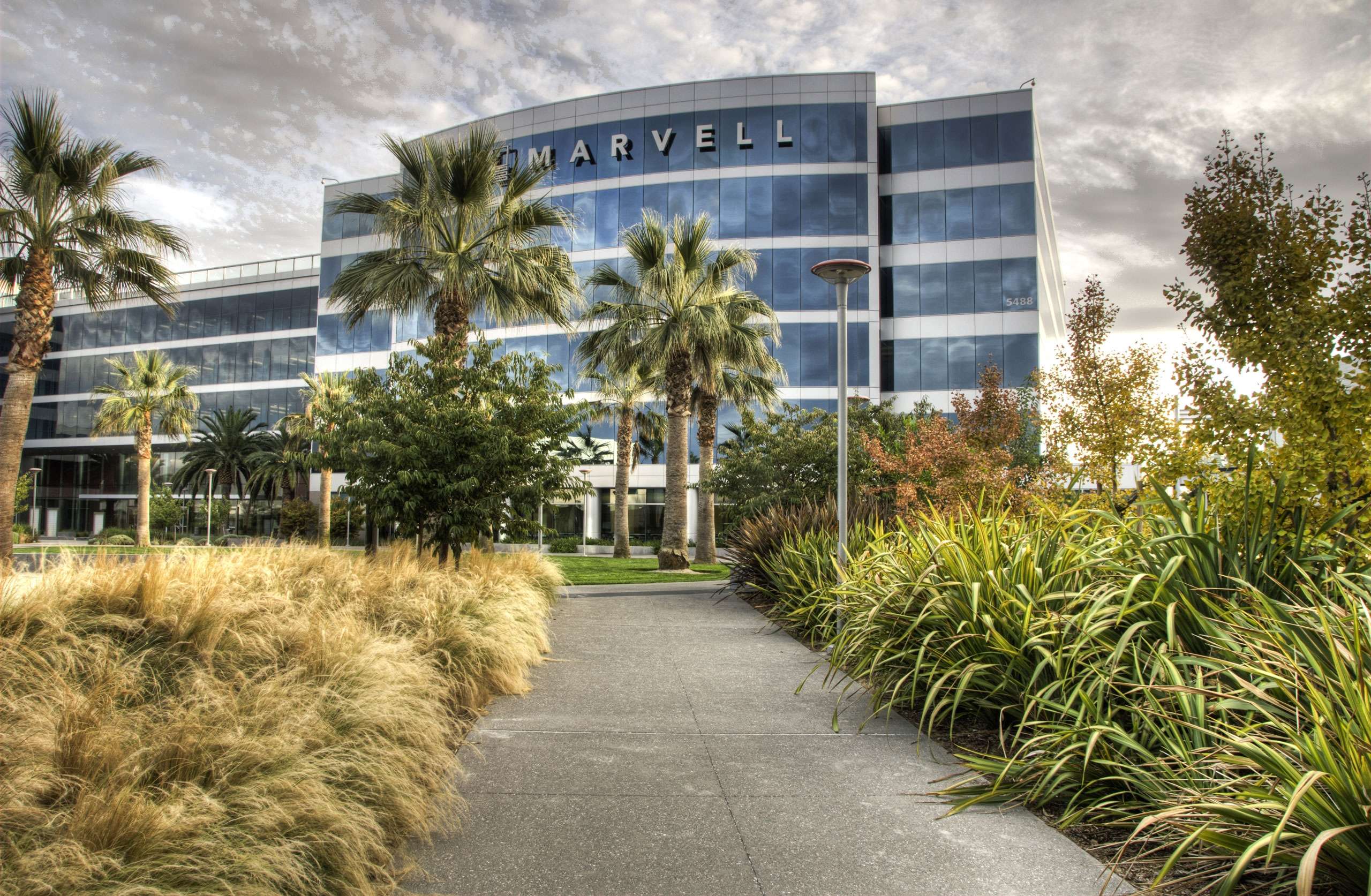
Semiconductor manufacturer Marvell Technology has entered into an agreement granting Google the option to purchase up to $12.2 billion worth of its stock in exchange for custom chip orders. Detailed in a Wednesday regulatory disclosure, the arrangement triggered an intraday surge of up to 14 percent in Marvell’s share price, according to reporting by The Next Web.
The warrant agreement permits Google to buy up to 58,970,907 Marvell shares at a price of $206.58 per share, CNBC reported. Rather than requiring upfront cash payments, the equity rights vest based on procurement volume. Bloomberg reported that nearly 1.4 million shares will vest during the first year, with subsequent tranches unlocking as Google places every $500 million in component orders. Reuters reported that if Google reaches all spending targets through Marvell's 2033 fiscal year, the contract could yield roughly $120 billion in total custom-chip revenue for Marvell while making Google the semiconductor firm's fifth-largest equity holder.
The multi-year agreement focuses on peripheral components built to support Google’s internal Tensor Processing Unit (TPU) ecosystem rather than primary processors. Marvell stated that the partnership covers hardware including artificial intelligence inference accelerators, alongside specialized controllers managing data storage and network routing. Google utilizes its proprietary TPUs to train and run generative AI models, while also making the infrastructure available to external cloud computing customers.
Google's move to broaden its hardware supplier base comes as major technology enterprises—including Amazon, Meta, and Microsoft—actively develop proprietary silicon to reduce reliance on Nvidia’s high-cost graphics processors. While Broadcom has served as Google's primary custom chip vendor for nearly a decade and broadened its relationship in April, adding Marvell establishes a secondary supplier. William Kerwin, an equity analyst at Morningstar, told Reuters the agreement was "a big win for Marvell," describing it as "a growing pie at Google for new sources, rather than a competitive displacement of Broadcom."
Market reactions highlighted shifting investor expectations across the semiconductor supply chain. Marvell shares closed up roughly 8 percent after reaching intraday gains of 14 percent, while Broadcom stock dropped approximately 5 percent as investors calculated potential revenue displacement. Shares of Google parent Alphabet were largely unchanged. Alphabet's TPU-related infrastructure business is projected to generate $3 billion this year and expand to $25 billion by 2027, according to earlier forecasts from Citizens analyst Andrew Boone cited by Bloomberg.
The transaction reflects a broader trend of cross-investments between hardware vendors and tech giants that has attracted scrutiny from industry analysts. Similar recent structures include AMD granting OpenAI options for up to a 10 percent equity stake in October, and Nvidia pledging to backstop up to $105 billion for an OpenAI-leased data center facility in Ohio. According to Bloomberg, such recursive financial arrangements have heightened market concerns over inflated valuations and unsustainable AI infrastructure spending, with investor Jeff Gundlach recently cautioning that treating AI silicon commitments as financial assets resembles a market peak.
The newly finalized deal expands on preliminary discussions reported in April, when Marvell shares moved higher following reports of initial talks concerning TPU and memory-processing silicon, CNBC noted. By linking warrant distribution directly to component order benchmarks rather than conventional cash equity purchases, Google is leveraging its substantial capital expenditure budget to reinforce its supply chain security while maintaining direct economic alignment with its primary hardware suppliers.
Sources
Written by
The Company Wire
Inside the companies building what’s next. Reporting on startups, technology, funding and the people shaping them.