Municipalities and Prosecutors Target Parents as Youth E-Bike Crashes Rise Nationwide
A growing number of local jurisdictions are imposing criminal penalties and seller warnings to curb illegal and high-speed electric micro-mobility devices operated by minors.
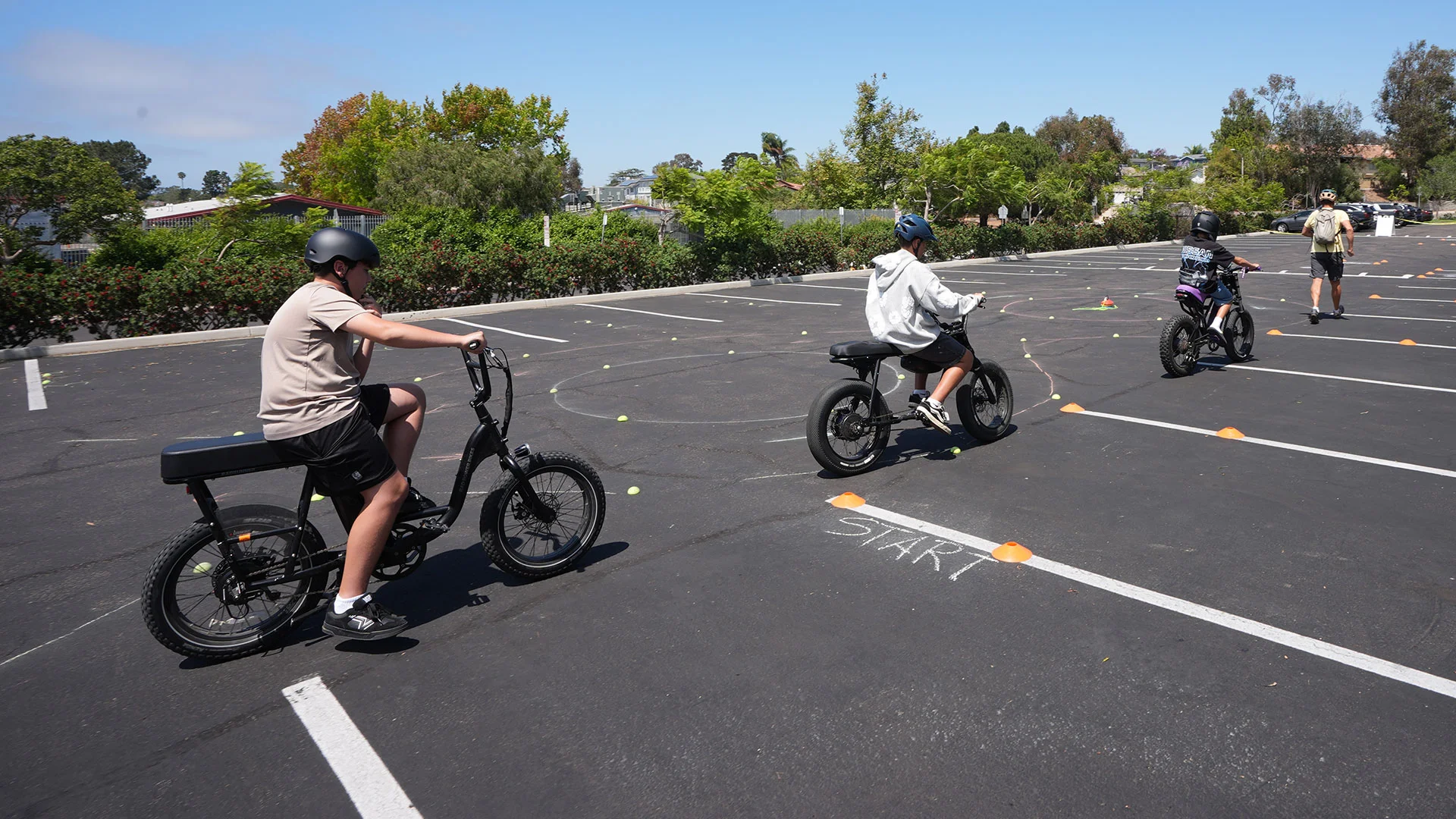
Rising rates of severe trauma and deaths connected to youth electric bicycle crashes have prompted local officials across the United States to enact aggressive legal and regulatory countermeasures, as detailed in reporting by Fast Company Tech. In response to growing public safety concerns, prosecutors in California have begun filing criminal charges against parents whose children are involved in illegal or high-speed collisions on micro-mobility devices, reflecting a broader effort by municipalities to enforce accountability amid a complex patchwork of regional regulations.
The regulatory crackdown comes as medical professionals document a marked increase in emergency department admissions related to electrified two-wheel vehicles. According to a statewide California study led by Dr. John Austin of the University of California San Diego School of Medicine, hospitalizations involving electric conveyances tend to produce significantly higher injury severity than traditional pedal bicycles. "The big takeaway is that people are generally more severely injured than they would be if they were on a traditional, pedal bicycle," Austin stated. "Overall, these patients tend to be younger, they tend to be unhelmeted and, in turn, be more severely injured."
Federal framework currently categorizes most low-powered e-bikes as nonmotorized bicycles, omitting baseline mandates for driver licensing, insurance, or helmet use. Consequently, state and municipal governments have established divergent legal standards. New York state limits operation to individuals aged 16 and older, with New York City imposing a 15 mph (24 kph) speed limit. New Jersey mandates that riders be at least 15 years old and hold both a license and registration, while Illinois recently enacted statewide laws, and Massachusetts is evaluating similar bills. Conversely, California permits minors of any age to operate lower-powered bikes, restricting only higher-tier models capable of reaching 28 mph (45 kph) to riders aged 16 and above. In June, Florida Gov. Ron DeSantis vetoed a proposed 10 mph (16 kph) speed cap and related rules, asserting that the policy would lead to "enhanced surveillance" of residents.
Regulatory measures are also expanding to address e-commerce platforms selling non-compliant motorized vehicles. In New York City, Mayor Zohran Mamdani issued cease-and-desist warnings to more than 40 digital distributors—including Amazon, Walmart, and Target—threatening civil penalties reaching $2,000 per illegal unit sold. The municipal action followed the death of 17-year-old Gabriel Nacato, who sustained fatal injuries near City Hall while operating an illegal vehicle marketed online as an e-bike.
In Southern California, Orange County District Attorney Todd Spitzer launched a specialized prosecutorial division focused on juvenile e-bike and e-motorcycle infractions, opening more than two dozen active investigations against parents. Charges have already been brought against four parents, including a mother whose 14-year-old son allegedly struck and killed an elderly pedestrian while riding an electric motorcycle. In another case, defendant Richard Eyssallenne entered a not guilty plea to child endangerment charges after prosecutors alleged he purchased an e-motorcycle for his 12-year-old son and assisted in illegally modifying the machine for higher speeds prior to a red-light crash with an automobile. Attorney Mitchell Krems, representing another charged parent, characterized the prosecution's strategy as "absurd" and argued his client was being designated a "scapegoat." Similar parental liability provisions have been enacted in Ohio, where a Columbus suburb authorized equal penalties for parents who knowingly permit minors to violate e-bike laws.
Industry trade groups argue that regulatory enforcement should distinguish between standard pedal-assist cycles and heavier, high-speed electric motorcycles. National advocacy organization PeopleForBikes noted that many dangerous incidents stem from powerful electronic motorcycles falsely marketed to consumers as standard e-bikes. Chloé Lauer, executive director of the San Diego County Bike Coalition, noted that common traffic violations are already prohibited under current statutes. "Many of the dangerous behaviors people cite — running red lights, riding on sidewalks, not wearing helmets — are already illegal," Lauer stated. "We’d rather see those laws enforced than add new restrictions that limit mobility for kids who are riding responsibly."
Community members and parents continue to push for clearer standards spanning product distribution, parental oversight, and education. Monica Stafford, a San Rafael, California resident whose teenage daughter suffered a skull fracture in an e-bike fall, advocated for unified national standards over fragmented local mandates. "We’re in a total Wild West of laws," Stafford said, adding that "officials are 'missing the mark' if they’re seeking to lay the blame solely on parents." Anya Dalal, a 17-year-old advocate and high school senior from Hillsborough, California, similarly emphasized that solving the safety crisis requires shared responsibility, stating that "it should be a mix of parental accountability, accountability from the manufacturers and retailers and also education for kids to understand e-bike laws and road rules."
Sources
Written by
The Company Wire
Inside the companies building what’s next. Reporting on startups, technology, funding and the people shaping them.