New Apple CEO John Ternus Re-Anchors Strategy Around iPhone for the AI Era
Ternus revives Steve Jobs' 2001 'digital hub' strategy to position the iPhone at the center of Apple's artificial intelligence roadmap.

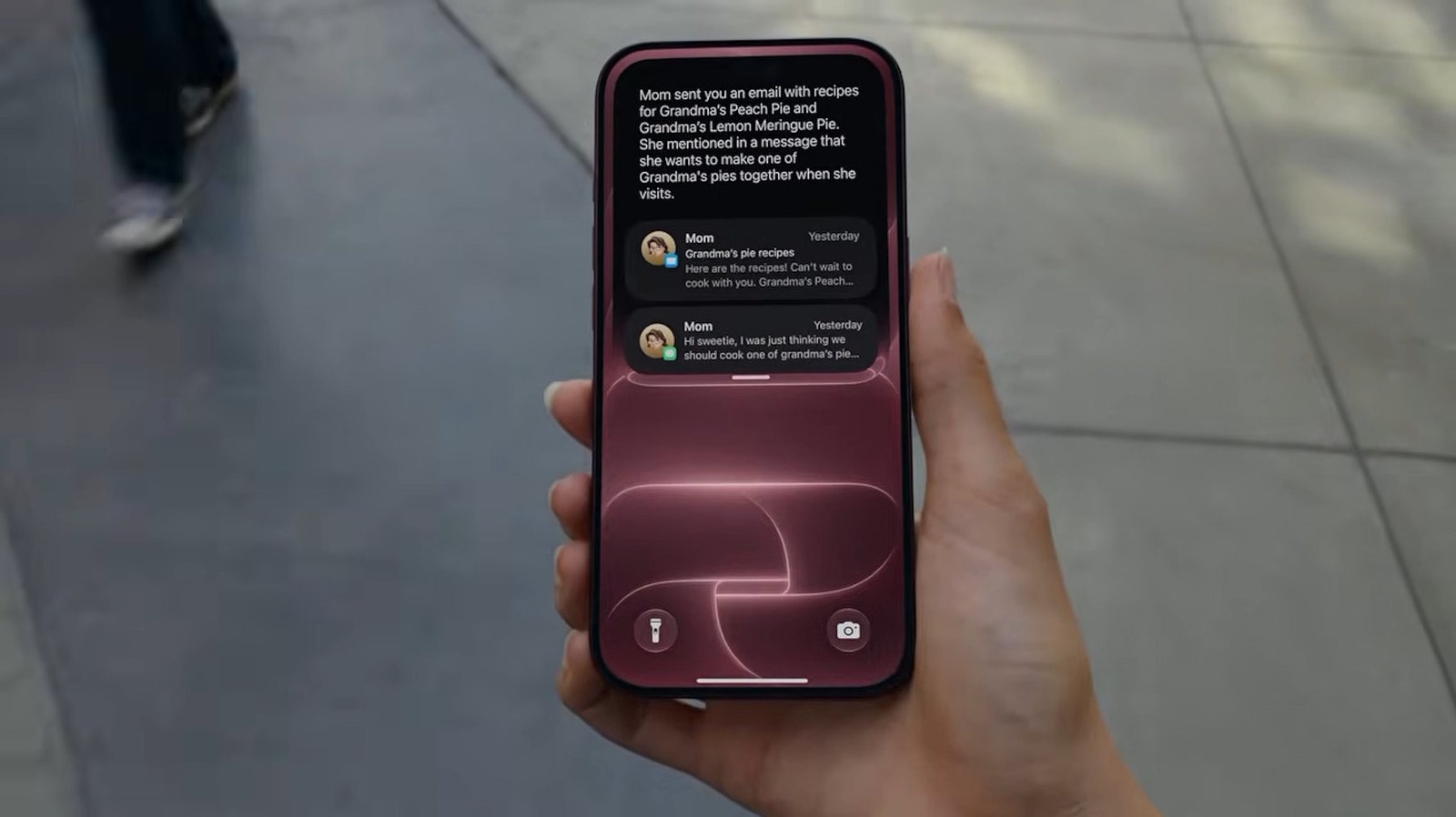
John Ternus used his debut keynote as Apple Inc. chief executive on Wednesday to anchor the technology giant's artificial intelligence roadmap squarely around the iPhone, signaling a strategic shift in how the company views its flagship hardware asset. Speaking during the presentation, Ternus positioned the mobile device as the core infrastructure for consumer AI applications.
"There’s no product in the world better designed to be your intelligent personal hub than iPhone," Ternus said during the address, as first reported by TechCrunch. The posture marks a pivot from former CEO Tim Cook, who routinely emphasized Apple's expansion into services and non-iPhone business lines to reassure Wall Street investors. It also serves as an explicit counterargument to industry analysts and media commentators who have recently questioned the long-term viability of the smartphone form factor.
Under Ternus' leadership, the iPhone is being positioned as the central node of an "intelligent personal assistant" ecosystem designed to guide product development in the coming years. The strategic framework closely mirrors an approach deployed by Apple co-founder Steve Jobs 25 years ago, when he re-centered the enterprise around the Mac personal computer less than 10 months before unveiling the original iPod.
During a keynote address at Macworld New York in 2001, Jobs pushed back against widespread predictions that the personal computer market had entered terminal decline. He highlighted negative forecasts from industry columnists such as Walt Mossberg alongside executives from Compaq and Gateway, displaying a graphic of a tombstone for the "Beloved PC" behind him.
"This is what everyone else is telling us. That our PC is waning if not the hole being dug," Jobs said at the time, before rejecting the thesis. "We don’t think the PC is dying at all. We don’t think the PC is moving away from the center at all. We think it’s evolving, just like it has since it was invented." Jobs argued that the Mac was entering its "third great age" as a digital hub connecting peripheral electronics including digital cameras, camcorders, and DVD players—a push that led to the development of the iPod and laid the ground for the mobile computing boom.
With the iPhone approaching its 20th anniversary, Ternus applied similar logic to modern hardware architecture and artificial intelligence workloads. He outlined the core requirements necessary for a centralized computing node, asking, "If you were designing the ideal version of this hub from scratch, how would you do it?" Ternus pointed to key integrated specifications, including high-performance processors, advanced camera arrays, persistent network connections, and dedicated on-device AI processing capacity.
The compute requirements of generative and localized AI models give high-end smartphones an operational advantage over alternative form factors. While rival tech companies and startups have attempted to unseat mobile devices with wearable AI hardware, none have achieved commercial traction. By reinforcing the iPhone's role as the foundation of its software and hardware stack, Ternus is committing Apple to its primary device driver for the foreseeable future.
Sources
Written by
The Company Wire
Inside the companies building what’s next. Reporting on startups, technology, funding and the people shaping them.