Optimal Android Charging Solutions for 2026
The most effective Android charging equipment varies based on user priorities, from rapid power delivery to portable convenience.
The selection of an optimal Android charger hinges significantly on individual needs, such as the urgency of charging or the primary charging environment. Industry experts consistently evaluate various Android charging devices to identify top recommendations for diverse scenarios. Historically, mobile devices necessitated distinct cable types, including Lightning for iPhones and Micro-USB for Androids. However, contemporary devices largely adopt USB-C connections.
Modern smartphones from leading manufacturers like Apple, Google, and Samsung utilize the Power Delivery (PD) charging standard. This fast-charging protocol for USB-C facilitates higher voltage and wattage, enabling quicker phone charging. All chargers highlighted in this review are compatible with USB-C PD and support various smartphone ecosystems, including iPhones.
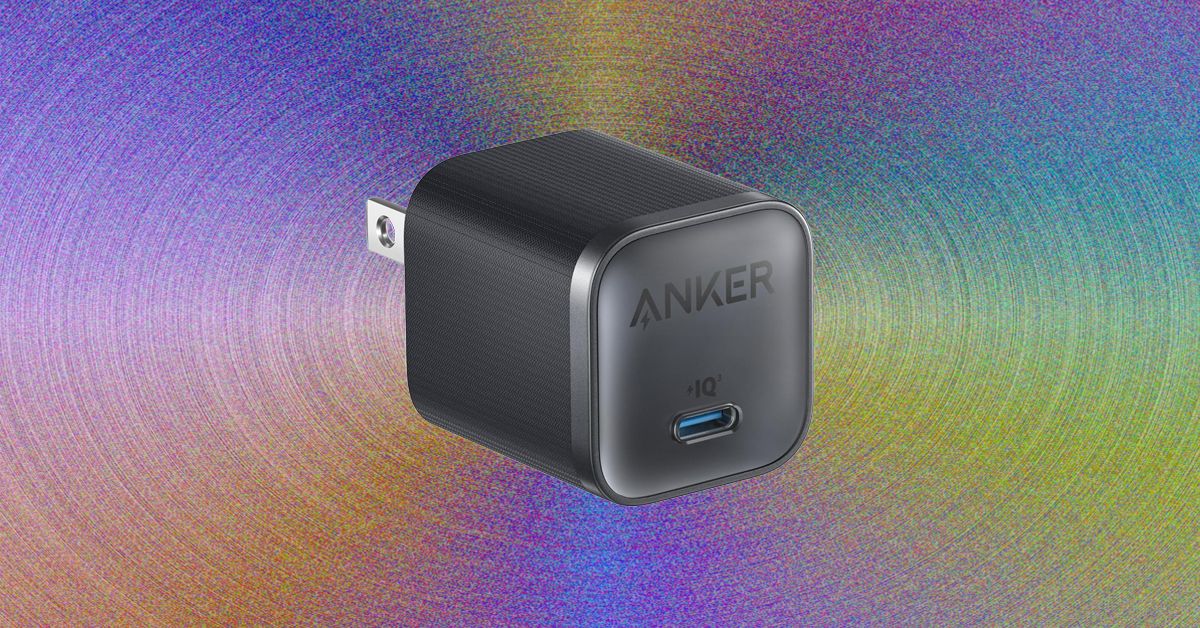
For wall charging, a specific USB-C model offers up to 45 watts, efficiently charging the majority of Android smartphones at their maximum supported speed. While some Android phones can accommodate speeds of 60 or even 100 watts, 45 watts suffices for most devices that do not specifically support higher power. Key features of this charger include foldable prongs and an included 6-foot USB-C cable. A newer version exists without the cable and with a built-in display, but it has not yet undergone testing.
In terms of portable power, a robust power bank with a 25,000-mAh capacity is available, which may exceed the needs of a single smartphone but can concurrently charge laptops, tablets, and phones multiple times. Investing in a higher-capacity power bank is often prudent, ensuring more than adequate power for various devices. This unit includes a built-in display and cables, capable of charging four devices simultaneously.
For wireless charging, a Qi2-compatible portable charger functions similarly to MagSafe, but with Android devices. Not all Android phones support Qi2, but most are compatible, albeit potentially at speeds slower than the base 15 watts. Although wireless charging is generally slower, it offers convenience. This particular model features a kickstand, an integrated display, a two-way USB-C port, and comes in several color options.
Regarding USB-C charging cables, a favored 6-foot option stands out for its durability. It supports charging up to 240 watts, is constructed from recycled plastic, and incorporates ribbed cuffs for enhanced grip. This cable also comes with a lifetime warranty, aiming to provide long-lasting performance and prevent common issues like fraying. The effectiveness of charging speeds ultimately depends on the entire charging setup, including the cable and the device itself.
Maximum charging speeds are contingent upon the specific phone in use. Generally, a 15-watt charger is the recommended minimum, suitable for overnight charging or situations where rapid power is not critical, typically taking a few hours for a full charge. This slower charging can also contribute to better long-term battery health. For urgent power needs, a 40-watt charger can bring most newer smartphones to an 80 percent charge in approximately 30 minutes. Many users find it beneficial to possess multiple charging options to suit different circumstances. Chargers below 15 watts are typically not advised unless explicitly required by a device, due to their slow performance.
Unlike the integrated 3-in-1 chargers common for iPhones, a universal top-tier option for Android devices does not exist due to the platform's diverse ecosystem. While some Samsung users can find compatible chargers for their Galaxy Watch and Galaxy Buds, these are not universally applicable across all Android users. Consumers seeking 3-in-1 solutions compatible with certain Android phones, perhaps in conjunction with Apple Watch and AirPods, can refer to specialized guides.
Sources
Written by
The Company Wire
Inside the companies building what’s next. Reporting on startups, technology, funding and the people shaping them.