Quantum Navigation Systems Advance in Separate Tests by Q-CTRL, US Military, and Saab
Field trials across three continents show quantum sensing and magnetic navigation gaining ground as satellite jamming incidents increase globally.

Three separate defense and technology entities operating across three continents have completed successful field trials of navigation systems that function without satellite signals. The tests, conducted by Australian quantum technology firm Q-CTRL, the U.S. Defense Innovation Unit, and British defense contractor Saab UK, demonstrate that alternative positioning networks are advancing beyond laboratory settings toward active field deployment.
The rapid succession of trials coincides with growing vulnerabilities in traditional satellite positioning. As first reported by TechRadar Pro, global monitoring recorded approximately 978,000 satellite jamming incidents during the first quarter of 2026 alone, with the majority concentrated in the Middle East. University of Liverpool electrical engineering professor Jason Ralph noted that gravity-based sensing remains the only passive alternative navigation technology capable of operating globally while resisting electronic jamming and signal spoofing entirely.
In the United States, the Defense Innovation Unit (DIU)—the Pentagon office tasked with integrating commercial technology into military applications—validated its magnetic navigation initiative, known as MagNav, during an extended flight test. An Embraer 170 aircraft completed a four-hour-and-23-minute flight over the Pacific Ocean, traveling from Seattle's Puget Sound to southern Alaska and back without satellite guidance. The system improved location precision by 89% compared to conventional secondary backup navigation methods.
"This is a significant win for the department's quantum sensing priorities, showcasing that MagNav capabilities are no longer a distant research goal," said Kyle Norman, deputy director of the DIU's Kill Web portfolio.
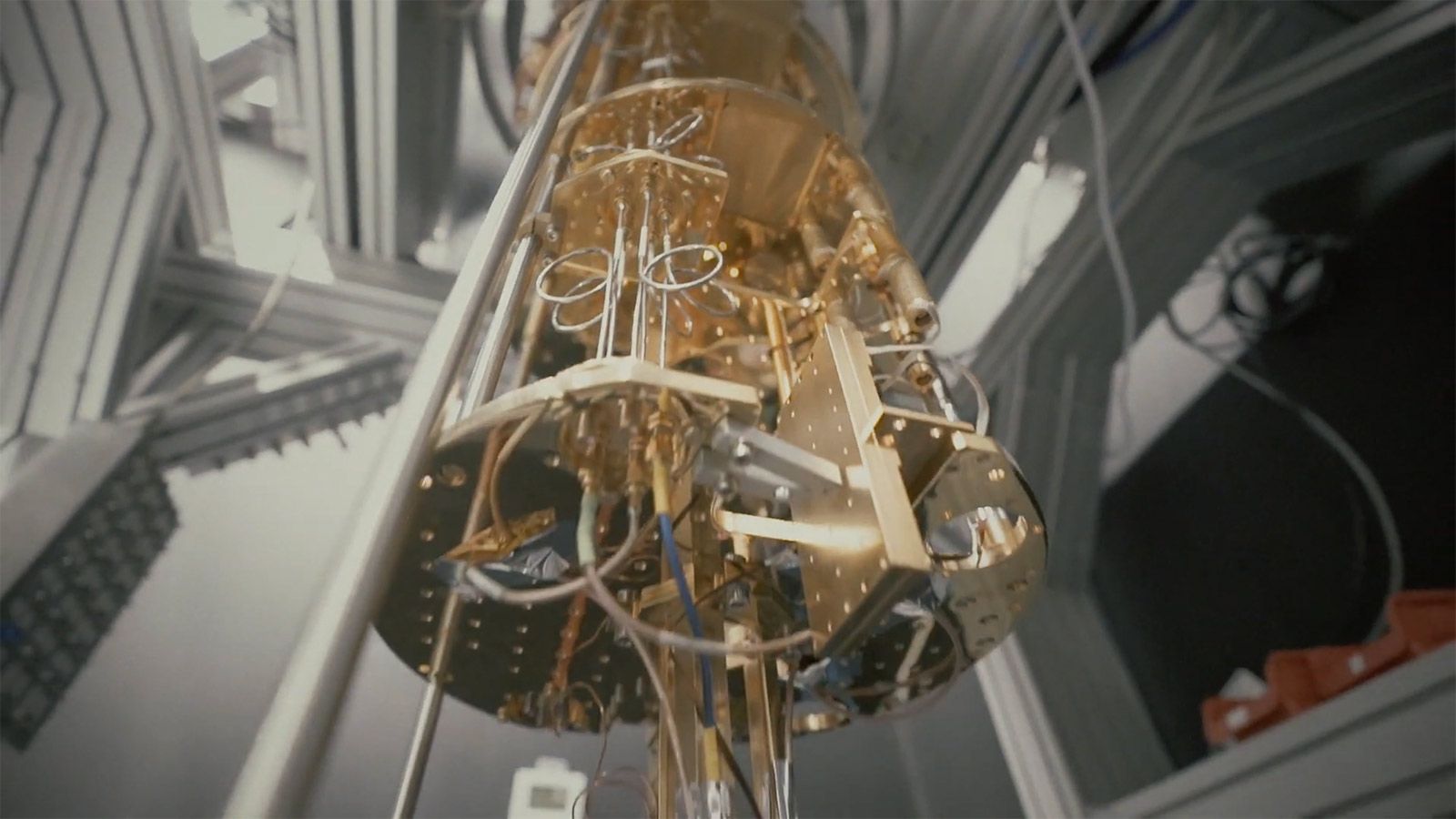
Concurrently, Sydney-based quantum startup Q-CTRL conducted a maritime demonstration in the Coral Sea using a quantum gravimeter. Throughout the mission, the company's sensor maintained location drift within one nautical mile, outperforming traditional satellite backup equipment by more than ten times over the same evaluation window.
Evaluating the sea trial, retired U.S. Marine Corps Lt. Gen. Steve Sklenka stated that "Q-CTRL's demonstration shows a credible path to accurate navigation without reliance on external satellite signals." Q-CTRL founder Michael Biercuk added that the underlying hardware is operational today, serving as evidence that commercial quantum tools can support active defense operations.
In Europe, Saab UK partnered with U.K. quantum startup Aquark Technologies and Britain's Royal Navy to assess satellite-free radar synchronization. Operating across multiple separate sites, individual Giraffe 1X radar stations maintained a single, coherent air picture using independent quantum timing sources. Engineers introduced intentional timing disruptions to simulate jamming conditions, confirming that the radar network restored alignment once synchronization returned. Andy Fraser, Group Managing Director at Saab UK, called the trial "a great example of how collaboration can accelerate innovation."
While the cluster of successful tests highlights accelerating momentum for non-satellite positioning platforms, industry analysts note that replacing GPS entirely—rather than supplementing satellite networks during signal blockages—will require further field trials, unit cost reductions, and hardware miniaturization.
Sources
Written by
The Company Wire
Inside the companies building what’s next. Reporting on startups, technology, funding and the people shaping them.