Russia Prepares 'Anti-Fraud 3.0' Rules to Restrict SIM Sales and Mandate Zero-Balance Activations
Draft regulations would bar independent intermediaries from selling SIMs, require payment records before line activation, and mandate three-year web log retention.
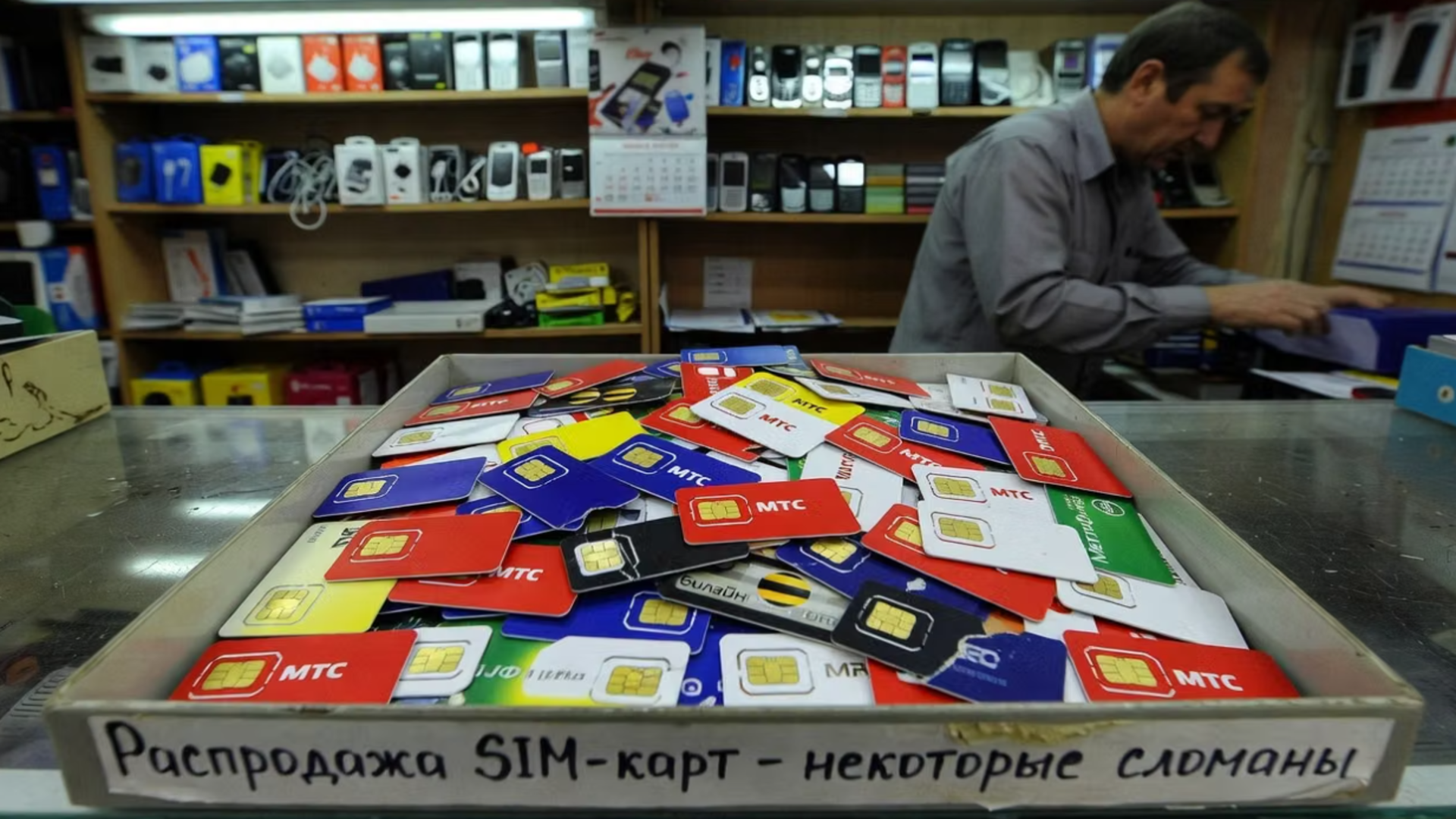
Russian authorities are preparing a package of telecommunications regulations dubbed "Anti-Fraud 3.0" that would sharply limit who can sell SIM cards and introduce new technical hurdles for line activations, according to reporting by TechRadar Pro (https://www.techradar.com/pro/moscow-tightens-regulation-on-sim-market-to-crack-down-on-fraud-and-attackers-anti-fraud-3-0-could-see-sims-sold-without-money-and-a-massive-reduction-in-sim-card-sellers). The draft framework aims to curb mobile fraud by eliminating secondary distribution channels and enforcing tighter payment tracking.
Under the proposal, number registration would be reserved exclusively for direct dealers. Individual entrepreneurs acting as intermediaries between mobile network operators and consumers would lose their authority to arrange subscriber agreements. According to industry estimates cited in the report, these third-party intermediaries currently account for almost half of all physical SIM card purchases in Russia, meaning the rule could affect thousands of retail locations and reduce mobile number availability in some regions.
Russian mobile operator T2 has pushed back against the full elimination of third-party sellers, arguing that establishing stricter requirements for intermediaries would be more effective than banning the model entirely. T2 stated that it already conducts identity checks and only activates mobile numbers after mandated verification procedures are complete. Russia previously introduced communication law amendments in spring 2025 requiring customer verification before number activation, with operators T2 and Beeline noting that lines cannot be used prior to identity checks.
The draft rules would also require operators to issue new SIM cards with zero funds loaded onto their associated accounts. Customers would have to establish a service agreement and add funds before service begins, ensuring a payment record is generated and tied to the subscriber. Even if a SIM card includes promotional bonus funds, users would still need to make an out-of-pocket purchase to activate it.
Russia's Finance Ministry stated that the zero-balance requirement is intended to make fraudulent numbers traceable through payment records created at terminals or communication outlets. The ministry argued that the rule would prevent criminals from exploiting and quickly discarding prepaid numbers or lines registered under other identities.
The Anti-Fraud 3.0 package contains additional digital and telecom restrictions, including a ban on automated calls designed solely to check whether phone numbers are active, as well as a requirement for verified sender information on bulk text messages under penalty of contract termination. Website and mobile application operators would also be required to retain user registration and login records for three years to make them available to law enforcement when legally required. The Finance Ministry stressed that the proposals remain a work in progress while authorities review feedback from industry stakeholders.
Sources
Written by
The Company Wire
Inside the companies building what’s next. Reporting on startups, technology, funding and the people shaping them.