Scrapping Gas Vehicles Early Yields Carbon Payback in Three Years, Science Study Finds
Research shows replacing a new petrol vehicle with an electric car cuts lifetime emissions by 58%, though low mileage and dirty power grids can negate benefits.
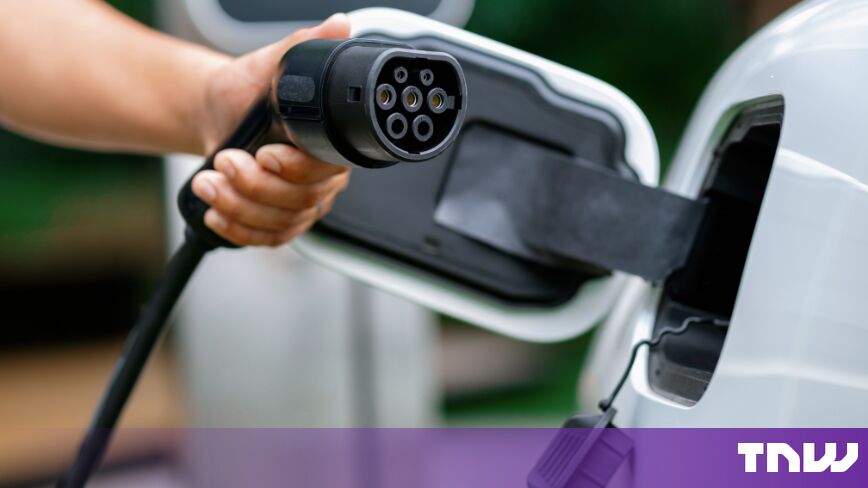
Early retirement of internal combustion vehicles in favor of battery electric models yields substantial long-term carbon reductions despite the upfront manufacturing footprint, according to a study published in the journal Science. The research, first reported by The Next Web, indicates that scrapping a gas-powered car in its first year and substituting it with a battery electric vehicle reduces total lifecycle emissions by 58% over a 16-year operational timeline.
Conducted by Elliott Campbell of the University of California, Santa Cruz, and Roland Geyer of the University of California, Santa Barbara, the investigation evaluated more than 400 models across internal combustion and electric vehicle categories. The researchers constructed comparative lifecycle models incorporating regional electrical grid intensity, vehicle efficiency ratings, annual driving mileage, battery pack capacity, and supply chain manufacturing impacts.
The study calculated that the average carbon payback period for a new electric vehicle is approximately three years. This duration represents the operational driving time necessary for an electric vehicle's lower emissions profile to offset the energy-intensive manufacturing process, including battery cell production. The authors emphasized that early retirement requires permanent vehicle scrappage rather than resale, as selling a used gas car transfers operational emissions to another driver rather than removing them from the global fleet.
While environmental benefits materialized across 92% of the scenarios simulated by the researchers, the study highlighted key boundary conditions where early vehicle replacement fails to deliver net carbon reductions. In the remaining 8% of modelled cases, destroying a functional internal combustion vehicle and manufacturing an electric replacement produced negative or neutral climate outcomes.
Baseline vehicle efficiency represents a major factor in these exceptions, particularly regarding hybrid systems. Standard internal combustion hybrids operate with sufficient fuel efficiency that replacing them prematurely with battery electric models can increase cumulative emissions in specific operational environments. A similar baseline challenge applies to plug-in hybrid electric vehicles.
Annual driving distance presents another critical limitation for climate parity. The researchers established minimum annual mileage thresholds required for electric vehicle replacements to achieve net emissions reductions: 4,383 miles for standard passenger cars, 4,248 miles for sport utility vehicles, and 6,707 miles for pickup trucks. Vehicles operated below these thresholds accrue operational emissions savings too slowly to recover the initial manufacturing carbon footprint within their service lives.
Electrical grid generation sources also determine the net climate gain of early vehicle replacement. In regions where local power grids generate more than 970 pounds of carbon dioxide per megawatt-hour, such as areas reliant on heavy coal generation, the net benefit of switching to electric vehicles decreases significantly. Conversely, electric cars charged on European power grids average roughly three times cleaner operational emissions than petrol counterparts, establishing a stronger climate case for vehicle scrappage in nations like France or Sweden compared to coal-heavy power markets like Poland.
The findings carry distinct policy implications for regulatory bodies evaluating transportation decarbonization strategies. Because net emissions reductions depend on taking combustion vehicles off the road permanently rather than circulating them into secondary markets, the empirical data supports structured vehicle scrappage initiatives that compensate owners specifically for destroying functional fossil-fuel vehicles.
Sources
Written by
The Company Wire
Inside the companies building what’s next. Reporting on startups, technology, funding and the people shaping them.