Seattle and San Francisco Face Renewed Civic and Regulatory Friction Amid AI Boom
Tech historians and journalists at a Seattle forum examine how the artificial intelligence wave is reopening unresolved municipal, tax, and housing tensions in West Coast tech hubs.
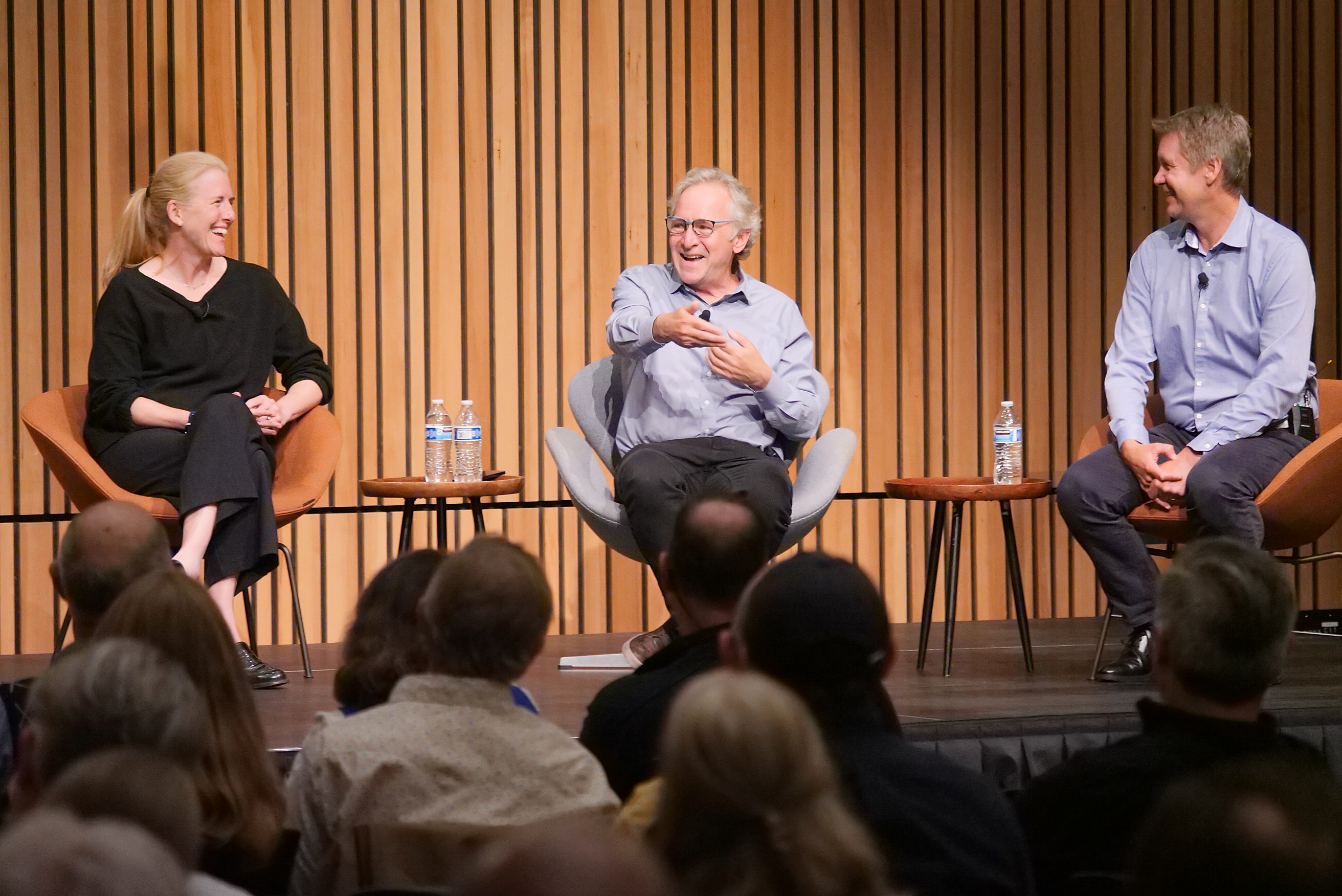
The ongoing artificial intelligence boom is reigniting economic and political friction across Seattle and San Francisco, two primary technology centers still navigating unresolved tensions over housing costs, civic infrastructure, and local governance from previous growth cycles, according to reporting by GeekWire (https://www.geekwire.com/2026/seattle-and-san-francisco-big-tech-political-backlash-and-the-ai-boom/). The dynamics were analyzed during a joint podcast taping featuring historian Margaret O’Mara, author Jonathan Weber, and GeekWire co-founder John Cook at the National Nordic Museum in Seattle.
Panelists traced the modern municipal conflicts back to corporate shifts away from isolated suburban campuses and into urban downtown cores. Silicon Valley originally developed dozens of miles south of San Francisco, while Microsoft established a self-contained campus in Redmond, Washington. That dynamic changed significantly when dot-com companies moved into San Francisco's Mission District during the late 1990s and Amazon transitioned from Seattle's Beacon Hill to its central South Lake Union campus starting in 2010.
The migration into metropolitan centers highlighted divergent expectations regarding municipal tax revenue and corporate responsibility. O’Mara cited California's 1978 passage of Proposition 13, which capped property taxes and constrained local municipal revenue just as personal computing expanded, entrenching a light-regulation business model across Silicon Valley. In Seattle, Cook noted a philosophical clash between Amazon's view that local job creation was a sufficient contribution and progressive city leaders seeking direct tax revenue to offset rising living costs.
Frustrated by municipal administration, Seattle business figures have mobilized to address policy and infrastructure vacuums directly. Leaders including Microsoft Vice Chair Brad Smith, former Washington Governor Chris Gregoire, and Joe Nguyen of the Seattle Metropolitan Chamber of Commerce have formed coalitions to press for public safety and core urban services. In San Francisco, Weber noted that Mayor Daniel Lurie has leaned into a pragmatic civic ambassador role to bridge divides across the municipality.
While San Francisco remains the primary center for generative artificial intelligence startups—headquartering market leaders OpenAI and Anthropic—the region maintains a symbiotic relationship with Seattle. Despite a large disparity in venture capital funding between the two regions, both OpenAI and Anthropic have established satellite engineering offices in the Seattle area to recruit local technical talent, continuing a decades-old pattern where Northwest founders build engineering organizations locally while accessing Bay Area investment.
Looking toward policy and governance, O’Mara compared current artificial intelligence developments to the Gilded Age of Carnegie and Rockefeller, noting that previous periods of rapid industrialization outpaced government capacity without eliminating commercial viability once guardrails were established. Both O’Mara and Weber concluded that long-term regional stability depends heavily on protecting urban quality of place, safety, and civic infrastructure beyond private corporate growth.
Sources
Written by
The Company Wire
Inside the companies building what’s next. Reporting on startups, technology, funding and the people shaping them.