Sonos Targets AI Integration and Ecosystem Continuity for Turnaround Push
Chief Executive Tom Conrad points to smarter voice capabilities and deeper hardware cross-talk as key drivers for the audio company's strategy.

Audio hardware manufacturer Sonos is positioning artificial intelligence and deeper hardware integration at the center of its corporate turnaround strategy following a series of app redesigns and recent product rollouts, according to reporting first published by ZDNET. During a recent call with investors, Sonos Chief Executive Officer Tom Conrad confirmed that AI processing will serve as a major focus for the company as it seeks to revitalize its product portfolio and strengthen its market standing.
The strategic turn comes as the executive team acknowledges limitations in its recent product launches. Conrad acknowledged on the earnings call, as originally reported by Bloomberg, that the company's 2024 Ace headphones debuted with insufficient integration across the broader Sonos hardware ecosystem. Currently, the first-generation Ace headphones cannot access Sonos Voice Control directly and are limited in their home audio connectivity to swapping TV sound with a restricted selection of Sonos soundbars.
Regulatory records indicate that the company is actively preparing next-generation hardware to address these ecosystem constraints. Recent filings submitted to the Federal Communications Commission reveal that Sonos is preparing to introduce an upgraded model dubbed the Sonos Ace Ultra, along with a prospective second-generation successor to its Sonos Beam soundbar, according to ZDNET.
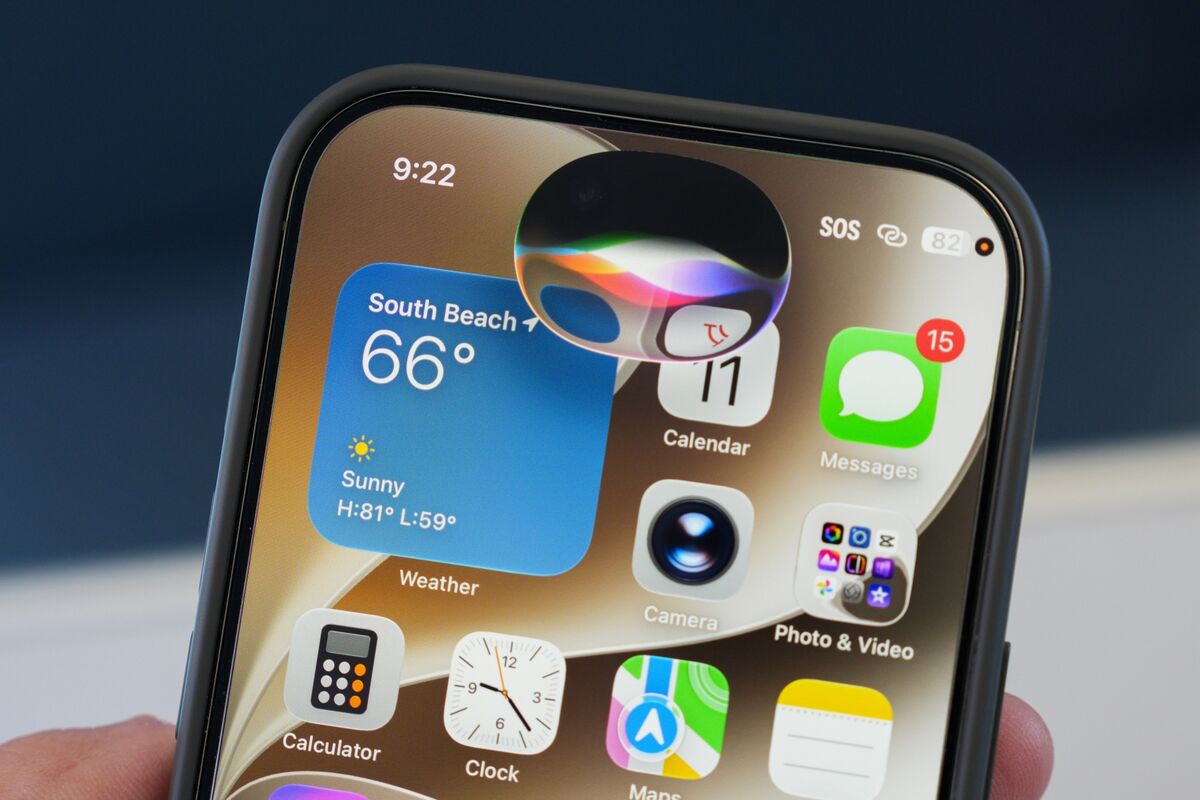
The focus on expanding proprietary AI capabilities arrives amid accelerating competition in the connected speaker sector. Major technology conglomerates are increasingly embedding sophisticated conversational models into home hardware, with Google equipping its home speaker line with Gemini AI and Apple widely expected to introduce updated Siri AI functionality to future HomePod releases. Additionally, platforms like Amazon continue to advance conversational capabilities through tools like Alexa+.
At present, the built-in Sonos Voice Control system remains functional but comparatively limited in scope. The native voice assistant is primarily restricted to local playback mechanics, such as adjusting volume, pausing tracks, shifting playback between rooms, setting basic timers, and issuing simple weather queries. On the media side, users can request specific artists, genres, or saved playlists, though more complex or conversational requests currently yield less reliable output.
To differentiate itself from generalized voice platforms, Sonos is betting on its specialized spatial awareness within the home environment. Conrad argued on the investor call that Sonos maintains a structural advantage over platforms like Apple or Google because its speaker network is purpose-built to understand the physical layout of a home and the daily routines of its occupants. While third-party assistants can handle broader smart home tasks like controlling thermostats or managing email, they lack deep, native command over an entire multi-speaker Sonos layout.
Expanding the capabilities of Sonos Voice Control through deeper app integration could allow the assistant to analyze listening habits across aggregated streaming, podcast, and radio services. Such enhancements could enable contextual multi-command operations, allowing users to transition audio streams dynamically across different rooms—such as moving music from portable devices like the Ace Ultra, Move 2, or Roam to stationary units like the Era 100 or living room soundbars based on location and activity.
As saturation increases in the smart audio marketplace, reinforcing hardware continuity and bolstering voice assistant intelligence remain key priorities for Sonos. Delivering seamless audio transitions and intelligent home-aware automation will be crucial if the company hopes to retain its core user base and compete effectively against broader tech ecosystem providers.
Sources
Written by
The Company Wire
Inside the companies building what’s next. Reporting on startups, technology, funding and the people shaping them.