SpaceX Plans $100 Billion Louisiana Launch Hub for High-Frequency Starship Flights
The proposed Vermilion Parish spaceport aims to support thousands of annual launches and create 10,000 jobs, highlighting a growing launch capacity gap with Europe.
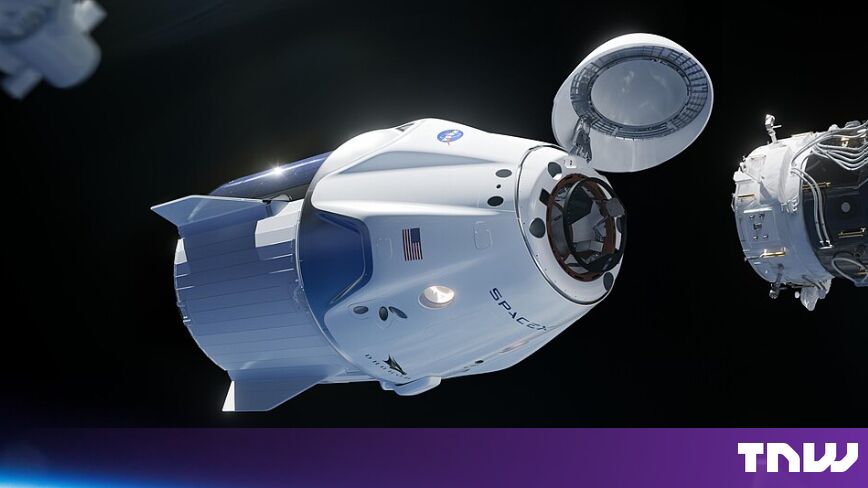
Aerospace corporation SpaceX has unveiled plans to invest up to $100 billion in a new, large-scale launch facility located in Vermilion Parish, Louisiana, which will serve as the primary operational hub for its flagship Starship rocket system. According to disclosures from Louisiana’s economic development office, the proposed complex is engineered to facilitate thousands of launches on an annual basis. First reported by The Next Web, the planned expansion signals an effort by the company to build out industrial-scale spaceflight infrastructure.
In a video statement outlining the scope of the project, SpaceX Chief Executive Officer Elon Musk stated that the launch site is expected to create "probably 10,000 really exciting jobs" across the region. News of the multibillion-dollar investment coincided with a 2.5 percent increase in the private share price of SpaceX, raising the market valuation of the commercial space enterprise near the $2 trillion mark.
The establishment of the Vermilion Parish facility is central to supporting the core long-term initiatives that underwrite SpaceX's high market valuation. The Starship vehicle is designed to be the primary workhorse for the continued expansion of the Starlink broadband satellite network, as well as proposed orbital data center deployments and long-range planetary exploration plans targeting Mars. Maintaining high-frequency launch operations is viewed as a critical requirement for achieving these combined business objectives.
The ambition to execute thousands of flights annually highlights the widening capacity gap between American commercial launch providers and European space flight infrastructure. By contrast, European launch provider Arianespace is projecting between six and eight launches of its Ariane 6 rocket over the course of this year. Leadership at Arianespace has stated that the maximum operational capacity for the Ariane 6 system reaches nine to ten flights per year, prompting European space authorities to establish a competitive launcher challenge to search for alternative launch services.
This difference in launch frequency underscores the broader operational hurdles facing space ambitions in Europe. The continent’s sovereign alternative to the Starlink satellite network has recently transitioned from the planning phase into active deployment. Because access to orbit represents a fundamental prerequisite for all space-based programs, securing reliable launch opportunities remains an urgent challenge for European satellite operators reliant on limited domestic flight manifests.
Alongside its industrial plans, SpaceX announced that it will partner with Louisiana state officials to conduct what the company describes as a "historic coastal restoration" initiative. The joint project aims to rehabilitate local coastal marshlands and establish enhanced natural barriers to safeguard the surrounding shoreline from severe storm impacts.
The environmental commitment comes amid scrutiny over SpaceX's regulatory history at existing operational sites. In Texas, a state environmental regulatory agency previously determined that SpaceX violated the federal Clean Water Act during operations at its Boca Chica launch site. Furthermore, the inaugural uncrewed test flight of the Starship vehicle in 2023 resulted in concrete debris being scattered across nearby protected areas that serve as nesting sites for endangered species.
Developing infrastructure within coastal wetland environments involves significantly different legal requirements in Europe compared to North America. Within the European Union, sensitive coastal habitats are typically protected under the Natura 2000 conservation network. Under this framework, any development project anticipated to impact protected ecosystems must undergo rigorous environmental assessments before official regulatory consent can be granted.
The proposed Louisiana development provides SpaceX with the physical footprint necessary to pursue its high-cadence launch strategy, alongside promises of state economic growth and environmental restoration. As the company moves to implement its $100 billion spaceport plan, its ability to execute thousands of yearly launches will depend on managing both complex technical operations and ongoing environmental compliance obligations.
Sources
Written by
The Company Wire
Inside the companies building what’s next. Reporting on startups, technology, funding and the people shaping them.