SpaceX Gives Itself Until July 2027 to Remove xAI's Unpermitted Turbines
The temporary generators will remain while a permanent 1.2-gigawatt gas plant is built for the Colossus data centers.
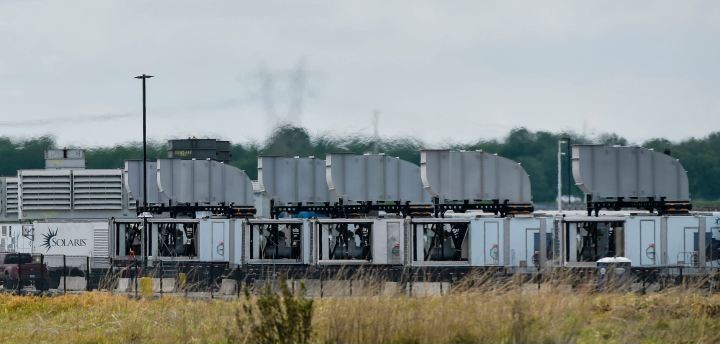
SpaceX says it will remove the unpermitted gas turbines powering xAI's Colossus data centers near Memphis, but the process will not be completed until July 2027. The company is operating 69 turbines while it develops a permanent natural-gas power plant with approximately 1.2 gigawatts of capacity.
Environmental groups, including the NAACP and the Southern Environmental Law Center, have sued over the temporary equipment. SpaceX argues that the units do not require permits because they remain mounted on transport trailers. Federal rules generally focus on output and use rather than the platform beneath a turbine, leaving that interpretation under legal challenge.
The stakes are substantial for nearby communities. The facilities sit in a region already burdened by air pollution, and the existing turbines could emit more than 2,000 tons of smog-forming nitrogen oxides per year. The Department of Justice has supported SpaceX's position in the litigation, citing national, economic and energy-security considerations.
Mississippi permit documents describe a permanent plant using 41 turbines ranging from about 16 to 50 megawatts. SpaceX also disclosed plans to buy $2.8 billion of gas turbines for data centers over three years. That spending shows how quickly AI companies are becoming energy developers as grid connections fail to meet their schedules.
The power project also shows how corporate combinations can move environmental responsibility. SpaceX acquired xAI in February, but local communities experienced emissions before and after the ownership change. Permit enforcement should follow the operating facility and its impact, not become delayed while affiliated companies reorganize contracts, assets or public descriptions of the site.
A one-year removal schedule should include interim limits that reduce harm before the final turbine leaves. Continuous emissions monitoring, public reporting and enforceable operating hours would let residents see whether the facility is improving. Regulators also need a plan for replacement power so the company does not argue that shutting equipment immediately threatens service. The broader lesson reaches other AI data centers: rapid deployment does not suspend air-quality law. Developers should secure permits, grid connections and community agreements before computing demand turns temporary generators into long-running infrastructure.
Replacing temporary equipment with a permitted plant may improve oversight, but it also locks a major AI facility into long-lived fossil infrastructure. The year-long removal timetable gives SpaceX operational continuity. Residents and regulators will be watching whether the transition produces enforceable emissions controls rather than simply converting an emergency arrangement into a permanent source of pollution.
Sources
Written by
The Company Wire
Inside the companies building what’s next. Reporting on startups, technology, funding and the people shaping them.


