Study Validates Apple AirPods Pro Hearing Test Accuracy, but Boundaries of At-Home Screening Remain
Independent research confirms the consumer earbuds match standard pure-tone audiometry within acceptable margins, though clinicians caution the five-minute screening cannot identify underlying medical causes.
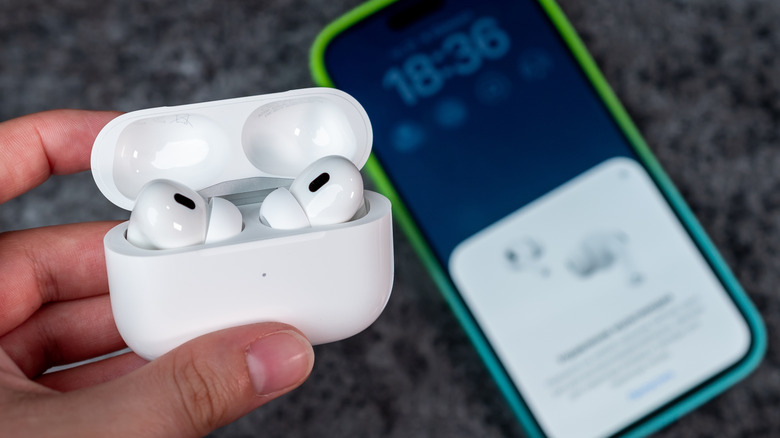
Apple's built-in hearing test on the AirPods Pro delivers clinically reliable results when evaluated against traditional screening methods, according to an analysis of recent research reported by Engadget. The findings confirm that while the consumer earbud test offers a dependable benchmark for hearing thresholds, it remains a preliminary screening mechanism rather than a substitute for an in-person audiologist examination.
Apple introduced the auditory assessment in October 2024 alongside iOS 18.1, outfitting AirPods Pro 2 and subsequent models with tools to measure hearing thresholds and configure over-the-counter hearing aid functionality. Apple markets the feature as a clinical-grade evaluation that takes approximately five minutes. The rollout followed authorization from the U.S. Food and Drug Administration, which reviewed clinical data supporting the software's hearing aid capabilities.
Subsequent independent assessment confirmed the software's baseline precision. A 2026 study conducted by an international team of researchers and published in Otolaryngology–Head and Neck Surgery concluded that the AirPods Pro demonstrated "clinically acceptable accuracy and reliability" when measured directly against standard pure-tone audiometry exams. The researchers emphasized that the convenience and accessibility of an earbud-based test could lower the threshold for individuals to monitor their auditory health.
Significant diagnostic distinctions separate the at-home screening from a professional consultation, however. The AirPods Pro test relies exclusively on pure-tone audiometry, evaluating how clearly a listener detects various sound frequencies. An in-office evaluation by an audiologist incorporates broader physiological assessments, including bone conduction thresholds and eardrum mobility diagnostics, which are necessary to determine whether hearing decline stems from sensorineural damage, middle-ear blockages, or other underlying pathology. Researchers also noted that validation studies conducted to date have involved relatively small cohorts.
Test accuracy also depends strictly on operational conditions. Achieving dependable readings requires an airtight acoustic seal in the ear canal and a consistently quiet room. While Apple's software warns users if environmental noise is excessive or if ear tips fit improperly, real-world testing environments introduce variables absent from soundproof clinical booths. Furthermore, the screening is designed solely to detect gradual, age-related hearing decline; acute symptoms such as ear pain or sudden unilateral hearing loss continue to require urgent professional care.
Sources
Written by
The Company Wire
Inside the companies building what’s next. Reporting on startups, technology, funding and the people shaping them.