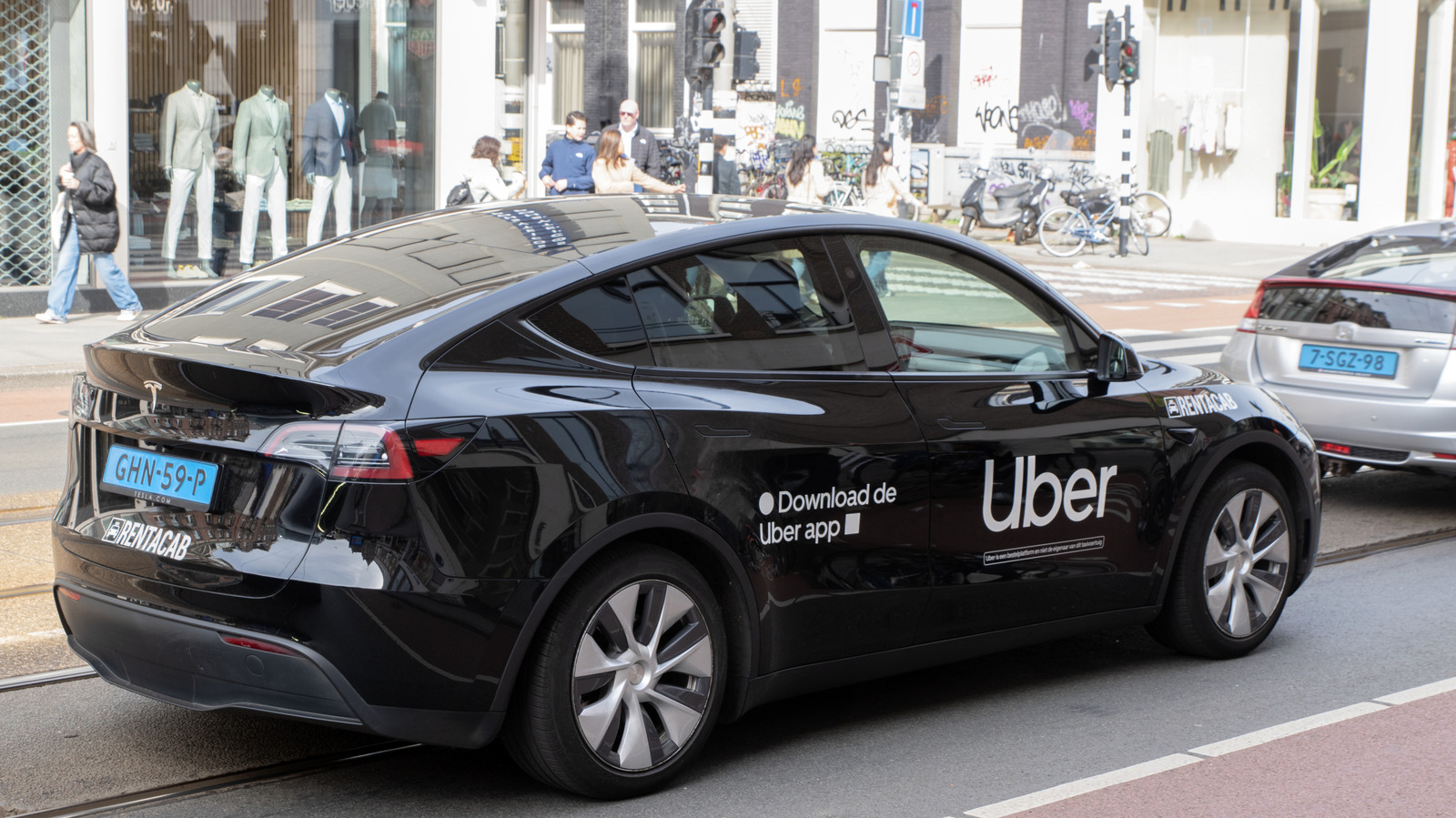
Uber Launches First European Autonomous Vehicle Rides in Zagreb with Pony.ai and Verne
The ride-hailing platform is introducing self-driving trips in Croatia using Pony.ai technology and Verne fleet operations, complete with human safety drivers behind the wheel.

Uber Technologies Inc. has officially introduced its initial autonomous vehicle hailing service in Europe, launching operations in the Croatian capital of Zagreb. The service, which went live on Wednesday, enables local passengers to book self-driving vehicle rides directly through the standard Uber application. The initiative represents a tripartite collaboration combining software technology from Chinese developer Pony.ai, fleet operations managed by European mobility company Verne, and Uber’s global ride-hailing platform.
Despite the autonomous designation, the initial phase of the rollout requires a licensed safety driver behind the wheel to supervise vehicle operations during every trip. As first reported by The Next Web, the companies are utilizing a phased deployment framework intended to eventually transition toward fully driverless operations once local regulatory conditions and internal safety benchmarks are satisfied. The current service area encompasses core districts of Zagreb, including the urban center, with the partner companies promising a gradual expansion into wider geographic zones over time.
The partnership divides operational duties among three specialized entities. Pony.ai provides its proprietary Gen-7 autonomous driving platform, characterized as a vehicle-agnostic software and hardware system called the "Virtual Driver." Verne—an operating company named after author Jules Verne that has been developing urban autonomous mobility in Croatia since 2019—owns and maintains the physical fleet on the ground. Uber manages the front-end user experience, dispatch, and ride matching within its established consumer app. The launch builds upon a strategic arrangement originally disclosed by the three firms in March.
The deployment expands on baseline testing that Verne previously established in the Croatian capital. Verne initiated what it described as Europe’s first commercial robotaxi service in Zagreb in April, stating that it has completed thousands of daily trips since that time, though detailed fleet metrics and specific timelines for removing safety operators have not been publicly disclosed. Marko Pejkovic, chief executive officer of Verne, noted that launching the Zagreb-pioneered platform on Uber's network represents a critical milestone for the local company and serves as an operational template for expanding into additional European municipalities, which the consortium plans to announce later this year.
For Uber, the European expansion aligns with a broader corporate strategy adopted after the sale of its in-house self-driving development division several years ago. Rather than manufacturing hardware or designing autonomous software directly, the San Francisco-based company aims to function as a neutral marketplace connecting third-party robotaxi fleets to its user base. Annie Duvnjak, Uber’s global head of autonomous mobility operations, emphasized that the deployment is an initial step toward building a global framework for autonomous vehicle integration, mirroring similar operational models the platform has executed with partners such as Waymo in the United States.
The Zagreb launch also marks a key international expansion for Pony.ai, which was founded in 2016 and maintains public equity listings in both New York and Hong Kong. The developer has primarily deployed its autonomous software across domestic routes in China alongside test operations in Asia, the Middle East, and Europe. James Peng, founder and chief executive officer of Pony.ai, highlighted that the joint deployment structure—combining autonomous tech developers, local fleet managers, and digital dispatch platforms—provides a scalable blueprint for expanding self-driving mobility across distinct international jurisdictions.
The conservative approach of retaining safety operators highlights Europe’s distinct regulatory environment, which generally mandates human oversight for longer periods compared to certain jurisdictions in the United States. Uber faces growing competition across the region, where Chinese firm WeRide is preparing robotaxi deployments in Denmark and technology startup Bliq has secured authorization for driverless testing in Finland. Uber emphasized that autonomous vehicles are meant to complement rather than replace its existing contractor network, predicting that human drivers and automated systems will coexist for the foreseeable future. For Zagreb passengers, autonomous trips are integrated directly into standard UberX and Comfort booking options without separate software downloads or pricing surcharges.
Sources
Written by
The Company Wire
Inside the companies building what’s next. Reporting on startups, technology, funding and the people shaping them.