Uber Builds a Global Robotaxi Network Through Partnerships, Not Its Own Cars
The ride-hailing company has assembled more than 30 autonomous-vehicle relationships after abandoning in-house development.
Uber is rebuilding its autonomous-vehicle strategy around a network of outside companies. Over the past two years, it has formed partnerships with or invested in more than 30 developers of robotaxis, self-driving trucks, sidewalk robots and delivery systems. The approach gives Uber access to multiple technologies without carrying the full cost and risk of developing a driving stack itself.
That is a major reversal from Uber's earlier history. The company created its Advanced Technologies Group in 2014, hired robotics researchers and tested vehicles on public roads. A trade-secrets case with Waymo, the departure of co-founder Travis Kalanick and a fatal 2018 crash contributed to a retreat. Uber sold the unit to Aurora in 2020 but retained an equity stake.
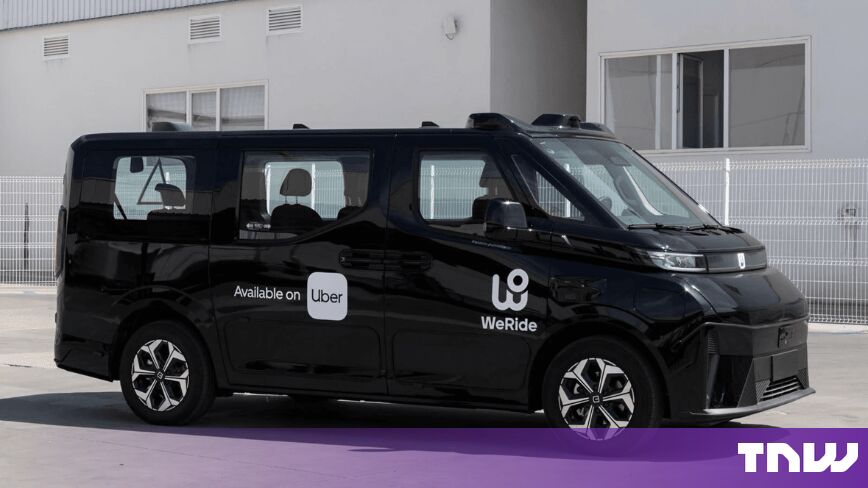
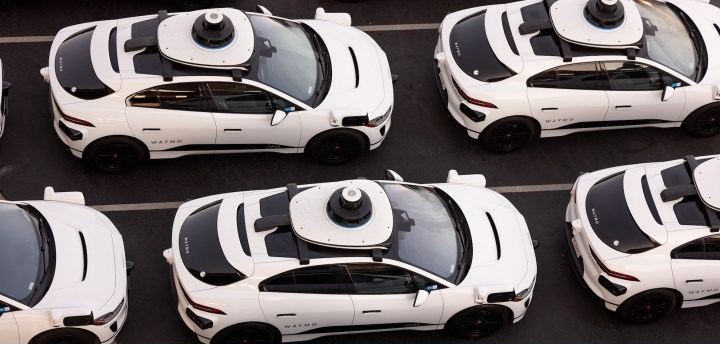
The company is now positioning its app and logistics network as the distribution layer for autonomous operators. Partnerships span passenger rides, freight and food delivery, with companies including Aurora, Waymo, WeRide, May Mobility, Baidu, Mercedes-Benz, Joby Aviation and sidewalk-robot developers. Some agreements include direct investment, while others connect a partner's vehicles to Uber's marketplace.
A portfolio strategy reduces dependence on any single technical winner and lets Uber enter different cities through companies already working with local regulators. It also creates coordination problems. Each operator has its own vehicle, safety system, service area and economics, while customers expect the Uber app to provide a consistent experience.
Uber's equity positions add another dimension. Ownership in partners such as Aurora can create financial upside if a technology succeeds, but it may also complicate claims that the marketplace treats every operator neutrally. Riders, cities and investors will need clarity on how Uber chooses which autonomous provider receives trips in markets with more than one available fleet.
Uber's portfolio approach spreads technical risk but creates integration work. Vehicles from different manufacturers may use different sensors, maintenance schedules and remote-assistance systems, while cities expect a consistent passenger experience. Uber will need common standards for safety data, rider support and responsibility after a collision. Partners may also worry that operational information shared with the platform could help a rival inside the same network. The strategy can build scale faster than owning every vehicle, but only if Uber becomes a trusted coordinator rather than a marketplace that shifts difficult problems to suppliers.
The strategy will be judged on utilization and margins, not the number of announcements. Uber must show that autonomous supply can improve wait times and lower delivery or ride costs after vehicle ownership, remote assistance, cleaning, charging and insurance are included. Its advantage is demand. Whether that demand is enough to make dozens of separate partnerships operate like one network remains the harder question.
Sources
Written by
The Company Wire
Inside the companies building what’s next. Reporting on startups, technology, funding and the people shaping them.