White House Summit to Put AI Safety, Chip Controls, and Mineral Supply on the Table
President Donald Trump and Chinese President Xi Jinping prepare for high-stakes bilateral talks as the Busan trade truce nears its November expiration.

As world leaders gather for the United Nations General Assembly, U.S. President Donald Trump and Chinese President Xi Jinping are set to hold bilateral talks at the White House centered on trade relations, technological competition, and supply chain security.
The diplomatic schedule includes a personal welcome by Trump at Joint Base Andrews on Wednesday, September 23. Ahead of the leaders' meeting, a U.S. delegation led by Treasury Secretary Scott Bessent and Trade Representative Jamieson Greer is negotiating agenda priorities with Chinese Vice Premier He Lifeng.
A key driver of the bilateral talks is the trade truce reached in Busan last year, which is scheduled to expire on November 10. That agreement paused port fees, lowered tariff threats, and removed Chinese export restrictions on rare earth minerals essential for automotive manufacturing, defense hardware, and artificial intelligence infrastructure.
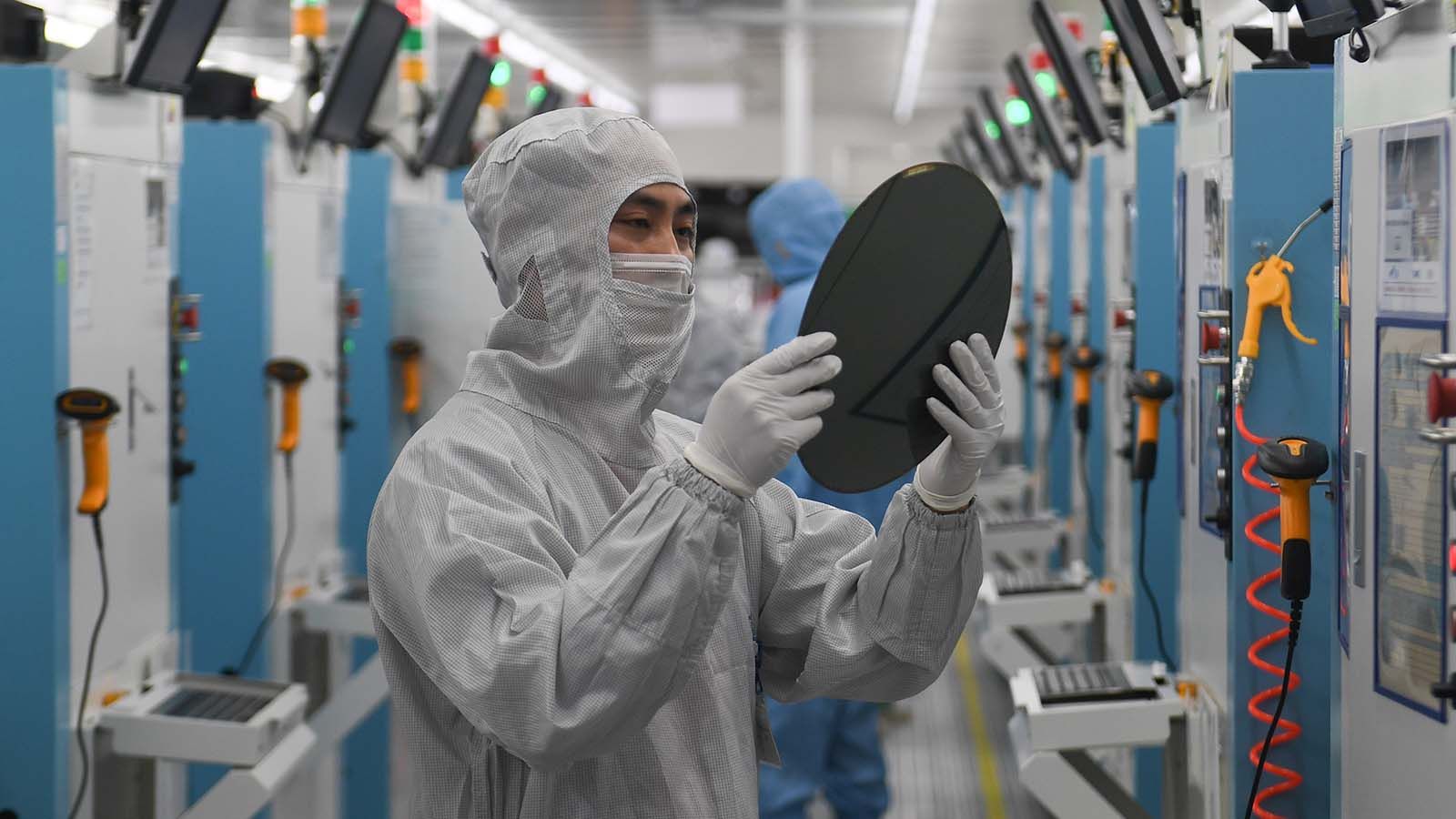
Treasury Secretary Bessent confirmed that artificial intelligence safety will feature on the summit agenda following requests from industry executives. The technology discussions remain tightly bound to existing export controls on semiconductors and related computing hardware, as U.S. businesses navigate concerns over domestic deregulation and international competitiveness.
Negotiators are also weighing potential purchasing agreements for U.S. agricultural goods, energy products, and Boeing aircraft, alongside a proposed $30 billion package covering approximately 10 categories of non-sensitive goods whose scope remains unresolved.
Broad geopolitical disputes continue to cast a shadow over economic negotiations. Beijing has warned it could withdraw from summit talks if the U.S. approves new arms sales to Taiwan, while U.S. officials plan to address China's economic ties with Iran and the status of detained foreign nationals.
The meeting follows a May summit in Beijing that produced few concrete policy concessions. Anna Ashton, founder of Ashton Intelligence, told CNBC that while the bilateral summit may deliver visible announcements, maintaining the status quo remains the most probable outcome for both sides.
Reporting on the summit preparations and the bilateral technology agenda was first detailed by Wired at https://www.wired.com/story/ai-tariffs-rare-minerals-what-to-expect-from-trumps-upcoming-summit-with-xi-jinping/.
Sources
Written by
The Company Wire
Inside the companies building what’s next. Reporting on startups, technology, funding and the people shaping them.