US Semiconductor Industry Faces 157,000-Worker Deficit by 2030 Despite High Pay
A shortage of technical graduates and cross-sector competition threaten to leave microelectronics fabs short-staffed during a historic market expansion.
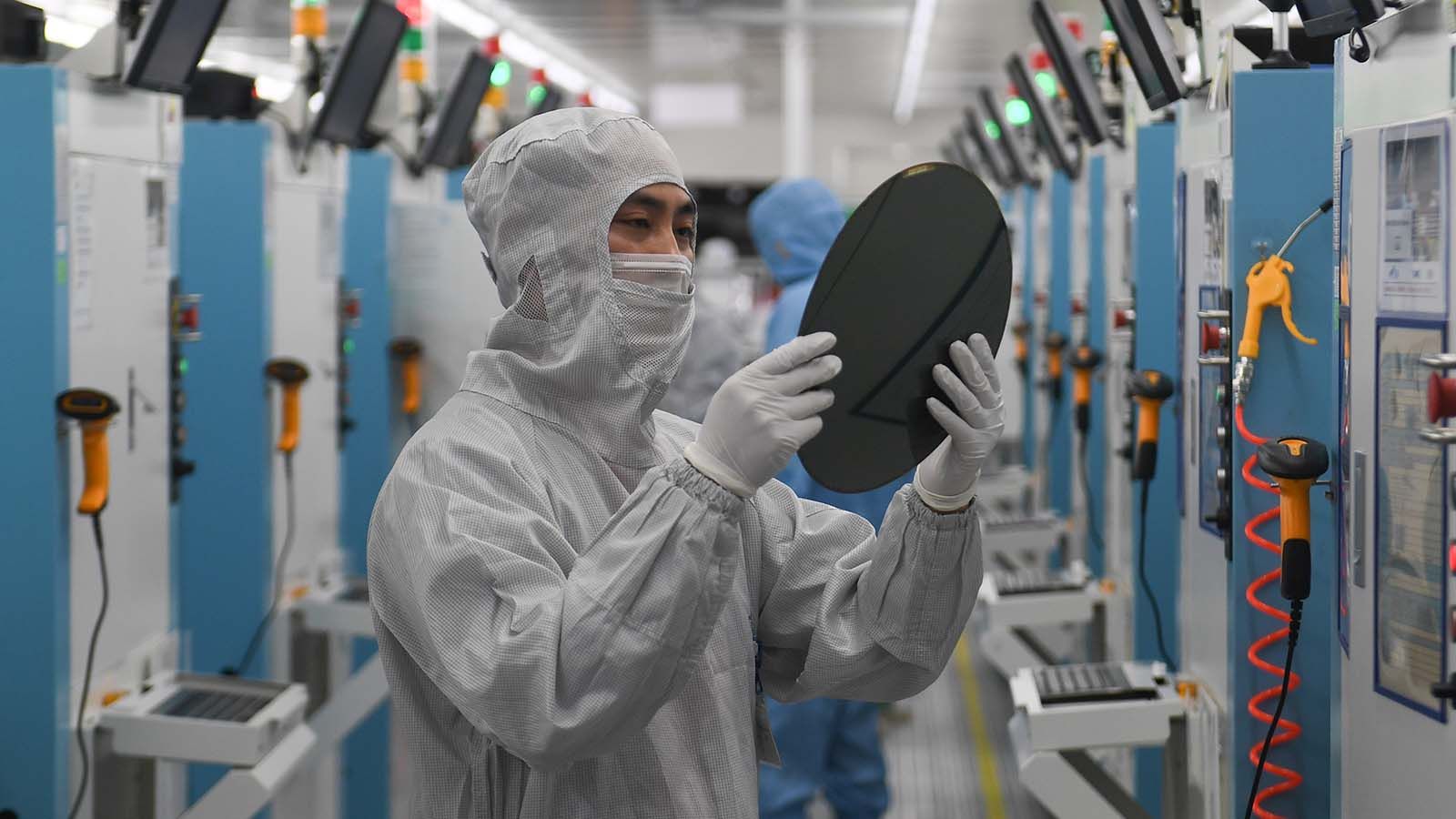
The domestic semiconductor and microelectronics sector faces a potential labor deficit of up to 157,000 workers across the United States by 2030, according to analysis from the SEMI Foundation reported by TechRadar Pro (https://www.techradar.com/pro/we-just-dont-see-that-theres-enough-technical-people-in-the-pipeline-us-chip-fabs-are-facing-a-huge-worker-shortfall-despite-promise-of-huge-paychecks-industry-says-it-still-needs-over-150-000-workers). The anticipated shortfall spans roles from semiconductor design engineers to supply chain personnel and maintenance staff, arriving as chipmakers build out new onshore manufacturing capacity.
Concerns about the domestic technical pipeline are growing among major manufacturers operating in the country. In comments to CNBC cited in the report, Samsung Electronics executive vice president of semiconductors Jon Taylor noted that the company is concerned by the insufficient volume of technical candidates emerging through the domestic education and training pipeline.
Data from the SEMI Foundation highlights the scale of the recruiting challenge: only 3 percent of U.S. engineering graduates enter the semiconductor industry each year. Consequently, 73 percent of semiconductor companies report experiencing significant difficulties recruiting qualified engineers, facing competition for specialized cleanroom and manufacturing talent.
The hiring crunch arrives amid historic revenue growth for the broader chip industry. Market figures from McKinsey show that global semiconductor revenue has surpassed $1 trillion, with sales growth during the first six months of 2026 reaching its fastest year-over-year rate since the mid-1980s. The acceleration is driven in part by demand for artificial intelligence hardware and federal policy pushes under the Trump administration to expand domestic manufacturing and processing footprints.
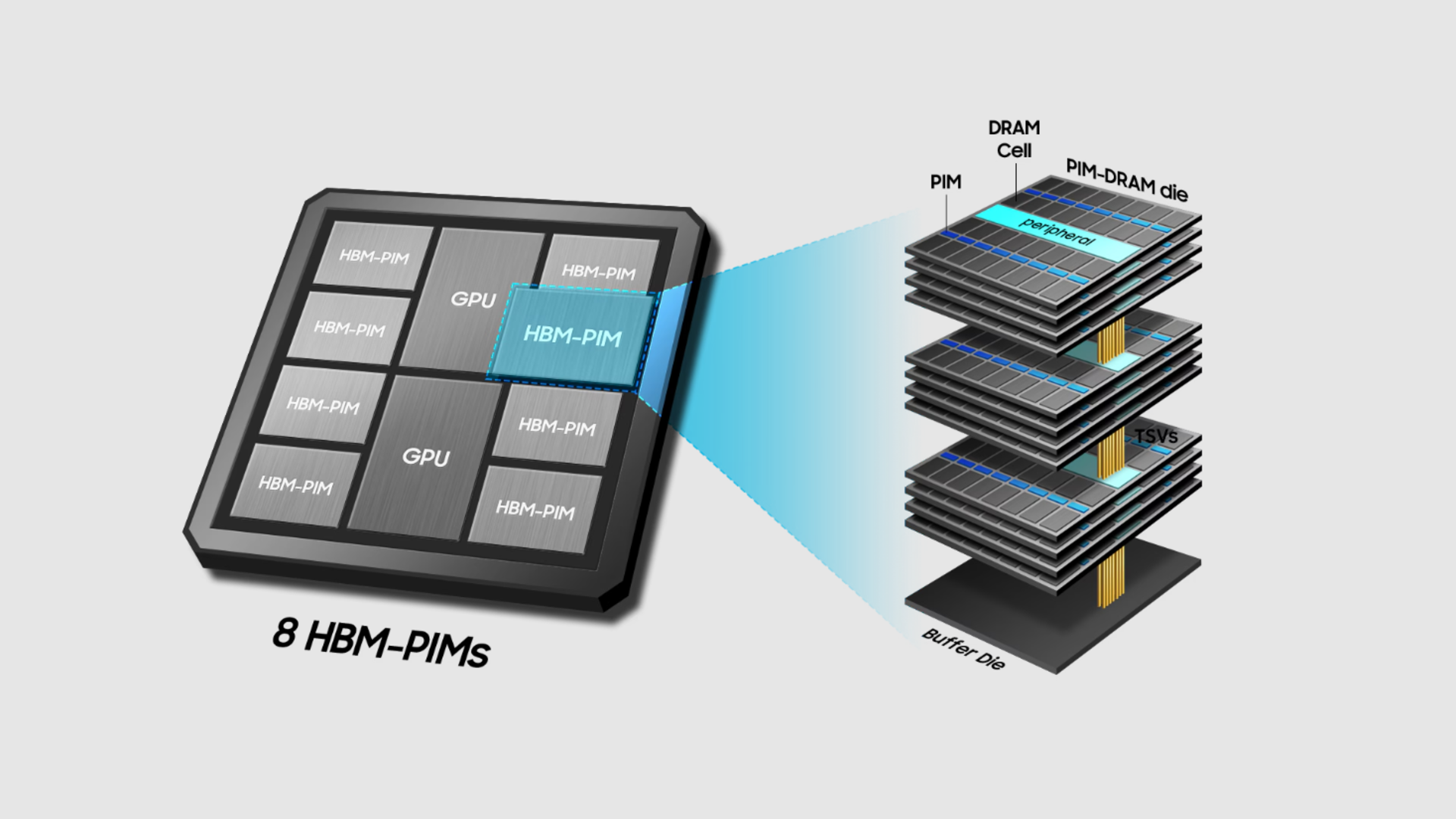
Major chipmakers are nonetheless advancing major U.S. capital projects. Samsung expects to create approximately 3,500 jobs across two fabrication facilities at its site in Taylor, Texas. Other manufacturers—including Intel, TSMC, Micron Technology, and SK Hynix—are also opening new domestic manufacturing facilities. To address immediate staffing shortages, both Samsung and South Korea-based SK Hynix have begun temporarily bringing in workers from South Korea.
The recruitment deficit persists despite competitive industry pay. According to SEMI figures, typical U.S. semiconductor compensation ranges from $127,000 to $187,000 annually, with some senior roles exceeding $238,000. The report notes that companies are also contending with cross-sector competition, as candidates with microelectronics backgrounds are recruited into software, artificial intelligence, and aerospace positions. While tech firms and hyperscalers have backed local training initiatives, college funding, and upskilling programs, the long lead times on workforce development mean near-term shortages are likely to persist.
Sources
Written by
The Company Wire
Inside the companies building what’s next. Reporting on startups, technology, funding and the people shaping them.