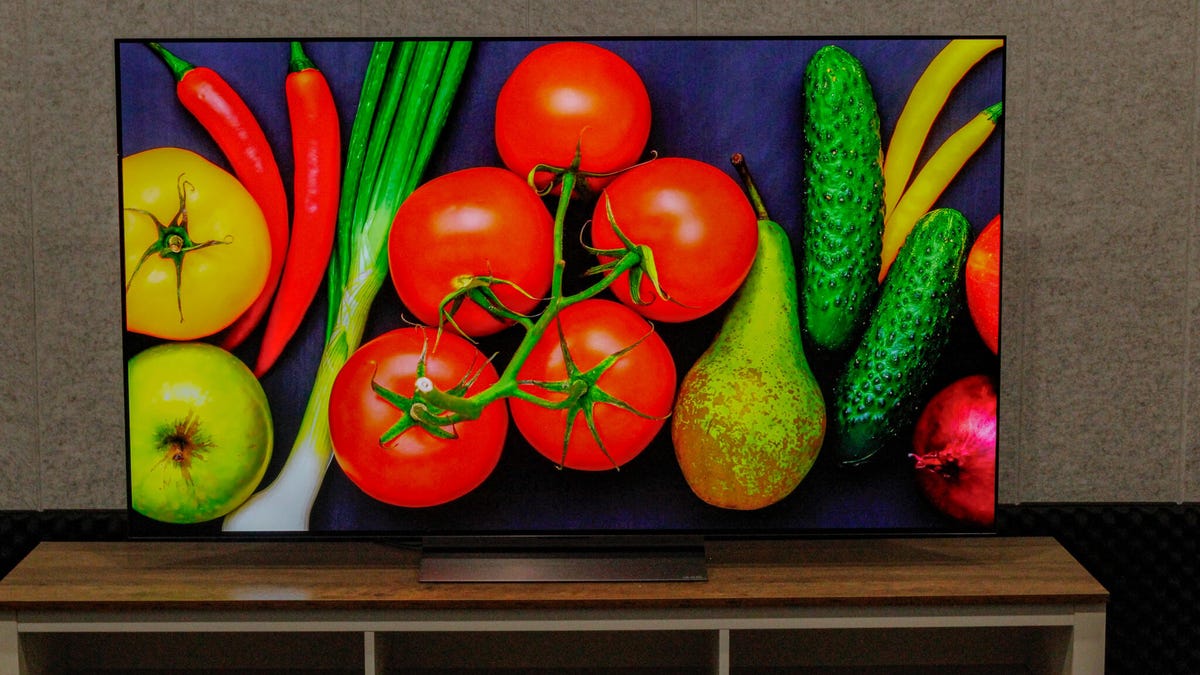
Why Modern Smart TVs Depend on Standby Mode for Maintenance and Software Updates
Low-power sleep states allow connected televisions to run OLED panel refreshes, background app updates, and fast boot sequences while adhering to regulatory energy limits.
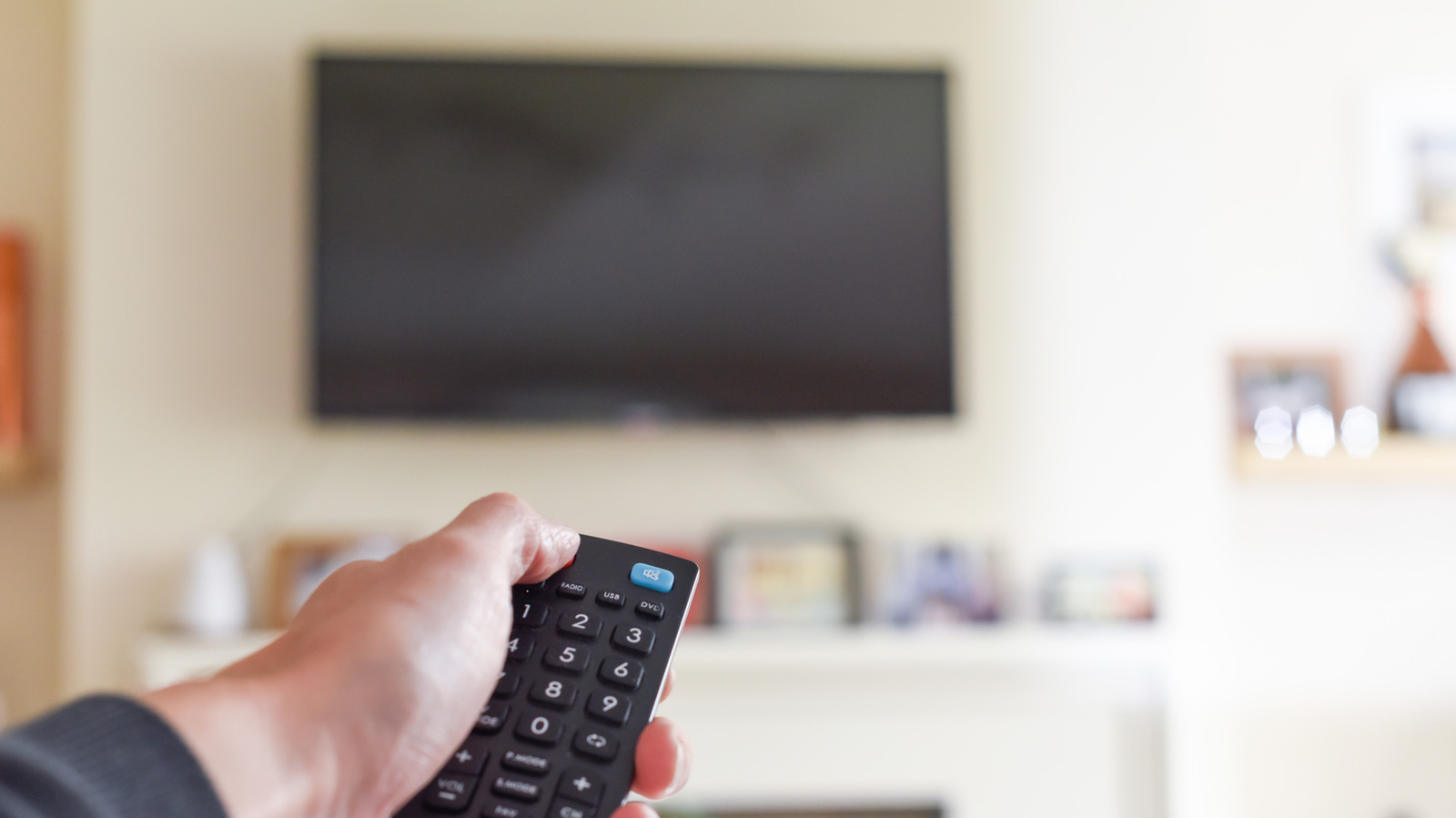
Modern smart televisions are engineered to enter a deep sleep or standby state rather than powering down completely when turned off via a remote control. While maintaining a continuous standby state consumes a small amount of electricity, the architecture provides functional advantages, including reduced boot times, background system updates, and critical panel maintenance routines, according to an analysis by Engadget (https://www.engadget.com/2259917/benefits-standby-mode-smart-tv/).
The primary operational drawback of completely powering off a television is extended boot latency. Modern displays run full operating systems such as LG's WebOS, Google TV, Amazon's Fire TV OS, and Roku OS. System startup from a cold boot can require minutes because televisions are frequently built with lower-end processors and storage chips compared to smartphones.
Persistent standby functionality allows connected television platforms to perform software maintenance during idle periods. TV operating systems utilize standby windows to download and install firmware patches without interrupting active viewing. Similarly, streaming applications such as Netflix and YouTube execute routine client updates in the background during low-power modes.
For televisions equipped with OLED panels, standby mode is critical to maintaining display health. Activating the standby state on an OLED model triggers an automated compensation cycle, or pixel-refresh routine, which helps reduce the risk of temporary image retention and permanent screen burn-in.
Because panel wear is one of the main downsides of OLED displays, manufacturers design compensation cycles to run while the television is in standby. Immediately unplugging or switching off a television after viewing prevents this process from completing. Repeatedly interrupting these maintenance routines can eventually result in uneven display wear or visible burn-in over time.
Standby electrical power consumption remains relatively low due to energy efficiency standards. In the United States, ENERGY STAR-certified televisions must use no more than one watt of power in standby mode, even when connected to a network. Several jurisdictions worldwide have established an equivalent one-watt ceiling under the One Watt Initiative.
A continuous power draw of one watt generates approximately 9 kilowatt-hours (kWh) of electricity consumption annually, adding roughly $1.50 to an average U.S. residential power bill. Regional electricity prices vary; for example, households in California pay approximately twice the national average rate per unit of energy. For extended absences, physically unplugging the television remains the most direct way to eliminate phantom power draw.
While continuous standby supports automated maintenance, periodic system reboots help clear background processes stored in memory to resolve persistent sluggishness or menu lag. Manufacturers generally specify software restart instructions in device manuals to avoid abruptly interrupting background tasks, with some models offering a restart menu accessed by holding down the remote control power button.
Sources
Written by
The Company Wire
Inside the companies building what’s next. Reporting on startups, technology, funding and the people shaping them.