Rise of AI Agents Creates Assurance Gap in Enterprise Audit Workflows
Automated decision-making across platforms like NetSuite and corporate data lakes is erasing traditional paper trails, pushing audit teams to rethink AI governance.
Enterprise audit teams are confronting a growing operational challenge as autonomous software agents take over complex decision-making processes once executed by human employees. The speed and opacity of automated tools are erasing traditional audit trails across enterprise platforms, including NetSuite enterprise resource planning software, human resources systems, and centralized corporate data lakes.
The rapid deployment of agentic workflows has made artificial intelligence governance a primary board-level issue, particularly for organizations operating within strictly regulated markets. As reported by SiliconANGLE during Workiva Inc.’s Amplify conference, while autonomous software provides immediate productivity gains by absorbing repetitive operational tasks, it creates substantial risk by obscuring the intermediate reasoning that auditors require for oversight.
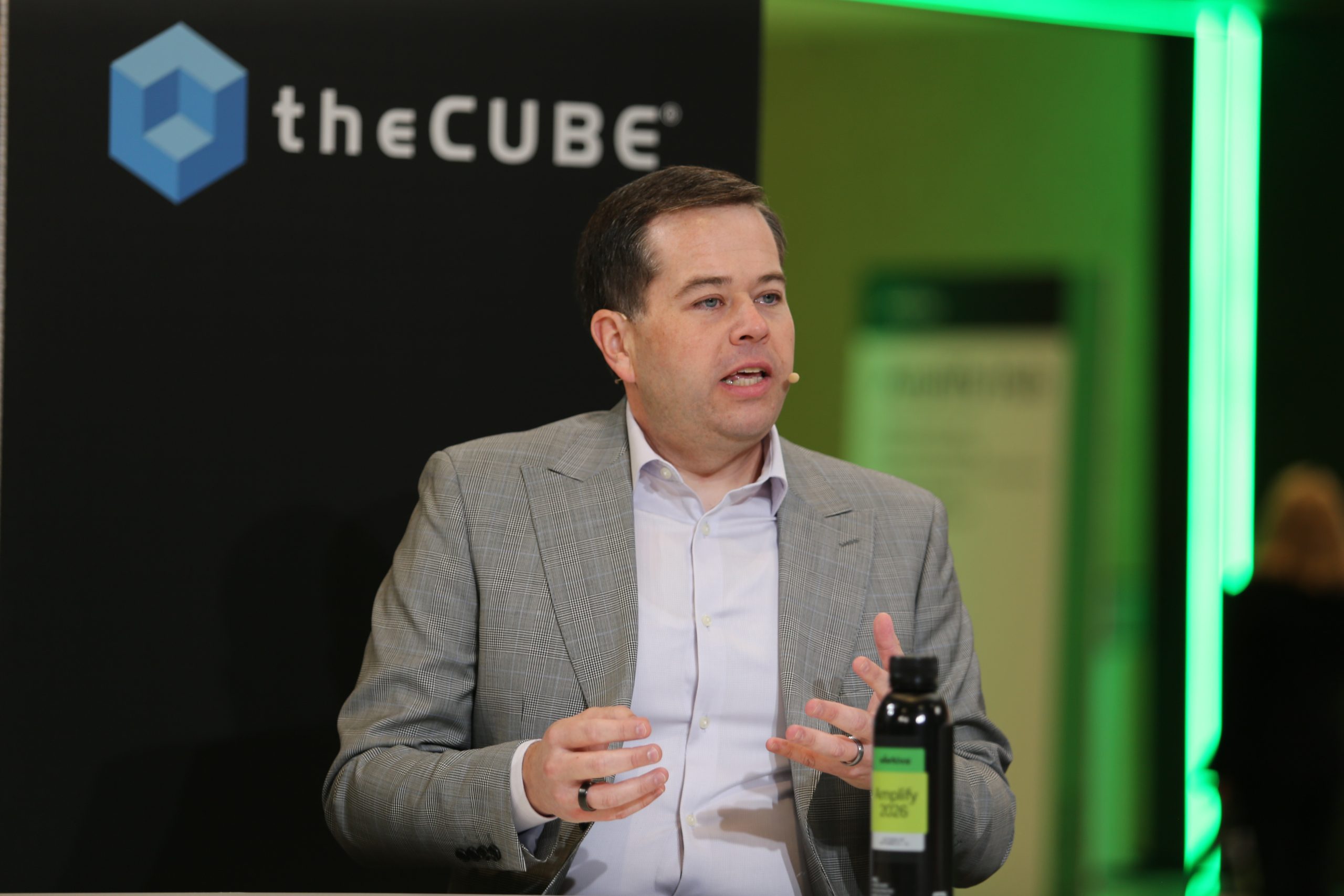
Speaking on SiliconANGLE’s livestreaming broadcast theCUBE, Josh Robinson, chief audit executive at commercial space station developer Vast Space LLC, noted that human workers historically left behind clear evidence of their evaluation methods. Prior to widespread automation, audit teams could evaluate decision-making logic by reviewing handwritten notes, spreadsheet tick marks, email threads, or internal Slack messages—paper trails that automated systems routinely omit.
"With humans, we could understand they were using their judgment, they were exercising probability, but we could see it," Robinson said during the interview. "There was either handwritten notes or there were tick marks or there was email chain or Slack messages. That has all been removed from the equation. So, for me, the risk is in the unknown."
Rather than relying on entirely new software tools to solve the verification dilemma, Robinson indicated that audit executives should reapply traditional compliance principles. By systematically verifying data completeness and accuracy at each stage of a multi-step software workflow, audit professionals can still draw reliable conclusions about the integrity of corporate datasets.
Robinson emphasized that final accountability remains entirely with human leaders regardless of which software tools generated the underlying reports. For a company like Vast Space, which faces rigorous safety and regulatory obligations tied to spaceflight operations, inaccurate auditing carries consequences that far exceed standard accounting restatements.
"As an audit leader, if it comes to my desk and I’m going to put my signature on it, it pretty darn well better be the right answer," Robinson explained, stressing that executive signatures signify ultimate ownership over software-generated outputs.
To address data fragmentation across disparate enterprise systems, software vendor Workiva has introduced specialized AI agents alongside a Knowledge intelligence layer. The platform connects siloed infrastructure—such as NetSuite, HR systems, corporate data repositories, and third-party models like Anthropic's Claude—into a single interface for compliance management.
Robinson, who has been a Workiva customer since 2017, noted that unifying these separate systems enables organizations to deploy automated agents efficiently without losing operational visibility. The interview was co-hosted by Krista Case, principal analyst and cyber resilience practice lead at theCUBE, alongside broadcast host Alison Kosik.
Sources
Written by
The Company Wire
Inside the companies building what’s next. Reporting on startups, technology, funding and the people shaping them.