Altman's School-Drive Podcast Idea Draws Questions About AI and Parenting
A proposed family briefing generated more criticism than enthusiasm, exposing the limits of automating moments built around human attention.
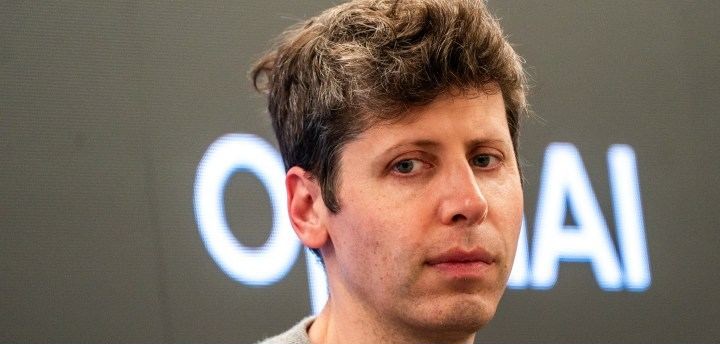
OpenAI CEO Sam Altman has suggested that parents connect family calendars and children's interests to ChatGPT Work, then ask the product to generate a personalized podcast for the drive to school. The briefing could mention an upcoming soccer game, a birthday and selected news, turning household information into a daily audio program.
The idea was intended to demonstrate how a capable assistant can organize fragmented family context. It instead produced a wave of criticism, including a widely shared response from Gravity Falls creator Alex Hirsch asking why parents would not simply talk to their children. The reaction outpaced engagement with Altman's original post and turned a product example into a debate about substitution.
There is a useful function underneath the awkward framing. Families manage schedules, school notices, activities and reminders across multiple systems, and a concise morning summary could reduce missed obligations. Accessibility needs, language support and complicated co-parenting arrangements may also make automated briefings valuable in some households.
The concern is what happens when software occupies a limited period of shared attention. A commute can be one of the few unstructured moments when children describe what matters to them in their own words. A generated program based on stored preferences risks replacing conversation with a polished interpretation of information the system already knows.
The privacy implications are equally important. Connecting calendars and children's interests creates a detailed family profile that can reveal locations, routines, health appointments and relationships. A family product should minimize retention, keep advertising separate and let parents exclude sensitive events. Convenience is not enough if the assistant becomes a permanent record of a child's life.
Parents may use a chatbot at moments when sleep deprivation makes reassurance especially attractive. That creates an obligation for clear limits around medical symptoms, feeding, safe sleep and mental health. A system should direct urgent questions to qualified care and avoid presenting a confident recommendation when the evidence is mixed or the child's history is unknown. Product teams can also design for shared decision-making by encouraging parents to save questions for a pediatrician. The goal should be reducing confusion without replacing the human relationships that notice context a chat window cannot see.
The episode illustrates a recurring problem in consumer AI design. Technical capability does not automatically create a desirable social experience. Products aimed at families will need stronger judgment about when to assist, when to remain quiet and how to keep people in control. The best family assistant may be the one that clears administrative work before the drive, leaving the actual conversation to the people in the car.
Sources
Written by
The Company Wire
Inside the companies building what’s next. Reporting on startups, technology, funding and the people shaping them.