Hank Green Scales Back After Describing His ChatGPT Use as Unhealthy
The creator says AI-assisted research blurred his process and damaged the trust audiences place in his work.
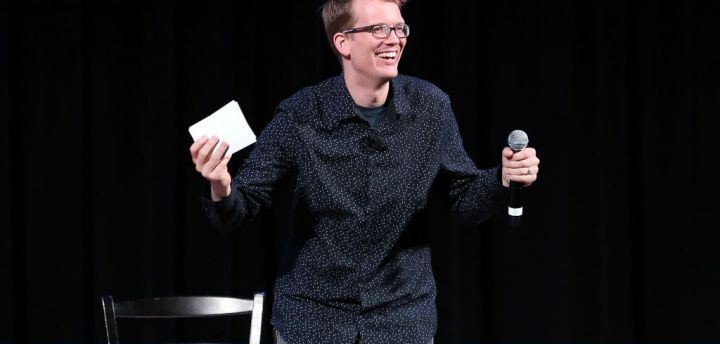
YouTube creator and author Hank Green says he will reduce his publishing schedule after criticism over his use of ChatGPT in research and production. The episode began when viewers noticed an unusual phrase in a video and questioned whether chatbot output had entered the script without sufficient review.
Green said the disputed phrase was his own response to a guest, not copied AI text. He nevertheless acknowledged using ChatGPT to locate papers and other resources while producing the episode under pressure. In a longer response to his audience, he said the experience forced him to examine whether speed and constant output had weakened the clarity of his creative process.
The issue is larger than whether a single line came from a model. Green's educational work depends on viewers believing that his explanations, judgments and language reflect his own research and voice. Even limited AI assistance can create uncertainty when creators do not disclose how the tool was used or cannot confidently separate its contribution from their own.
Green also pointed to wider concerns about energy use and the concentration of economic power among AI companies. He said he is not opposed to the technology in every context, but described the stimulation he received from using large language models and producing more content as personally unhealthy. He plans to post less often and devote more time to work in which writing itself is central.
Green's response is notable because it rejects a simple defense based on final authorship. A creator can write every published sentence and still allow an AI system to shape research priorities, framing and pace. Disclosure policies should therefore address the whole production process, including discovery and fact checking, rather than only whether a model generated the final prose.
Green's account is significant because he is an experienced communicator who understands research limits and audience trust. His difficulty tracking what came from a model, a source or his own memory illustrates a problem that affects professionals as well as students. A practical response is to use AI only after primary research, keep generated text in a separate document and verify every factual claim against a link that can be cited. Creators should also disclose material assistance when a model shapes the argument, not only when it produces the final sentences.
For publishers and creators, the lesson is practical. AI can accelerate discovery and editing, but it also creates a documentation burden. Audiences increasingly expect clear policies on research, drafting, verification and disclosure. Trust is easier to preserve when those rules exist before a controversy, not after viewers are asked to determine which parts of a creator's process remain human.
Sources
Written by
The Company Wire
Inside the companies building what’s next. Reporting on startups, technology, funding and the people shaping them.